Blog
Blog
July 09, 2026
Edge banding is a decorative and protective material used to cover the exposed edges of wood-based panels such as MDF, particle board, plywood, and furniture panels.
As an important component of modern furniture manufacturing, furniture edge tape improves panel appearance while protecting edges from moisture, impact, and daily wear.
Depending on thickness, edge banding is mainly divided into thick edge banding and thin edge banding. The right choice depends on furniture design, usage environment, durability requirements, and appearance expectations.
Chimeda provides high-quality edge banding solutions for furniture manufacturers, cabinet producers, and interior decoration projects, offering different sizes, colors, and surface finishes.
| Feature | Thick Edge Banding | Thin Edge Banding |
| Thickness | 1.5mm–3mm+ | 0.4mm–1mm |
| Impact Resistance | Excellent | Moderate |
| Durability | Higher | Standard |
| Appearance | Strong 3D edge effect | Minimal and seamless |
| Application | High-end furniture, countertops | General furniture panels |
| Processing Requirement | Higher | Easier processing |
| Cost | Higher | More economical |
Thick edge banding is a heavier and stronger edge protection solution usually used for furniture requiring high durability and premium appearance.
With greater thickness, thick edge banding provides better protection against:
Impact damage
Edge chipping
Daily wear
Mechanical stress
One of the biggest advantages of thick edge banding is its excellent impact resistance.
Furniture edges are often exposed to:
Collision
Friction
Daily handling
A thicker edge tape absorbs more impact force and reduces damage to the panel core.
This makes it suitable for:
Office desks
Kitchen countertops
Commercial furniture
High-use cabinets
Thick edge banding provides improved long-term performance.
Benefits include:
Stronger edge protection
Reduced replacement frequency
Better resistance to wear
Longer furniture service life
For premium furniture projects, durability is often more important than initial material cost.
A thicker edge creates a stronger visual effect and enhances furniture quality.
Design advantages include:
Three-dimensional edge appearance
Better color matching
More luxurious finish
This is commonly used in modern high-end furniture designs.
Thin edge banding is a lightweight edge finishing material designed for standard furniture production.
It is widely used because it provides a clean appearance while keeping production costs efficient.

Thin edge tape creates a seamless transition between the panel surface and edge.
It is suitable for:
Office furniture
Residential cabinets
Flat-pack furniture
General interior products
Because of its thinner structure, thin edge banding offers:
Faster application
Lower material consumption
Easier trimming
Higher production efficiency
This makes it popular for large-scale furniture manufacturing.
For projects where extreme impact resistance is not required, thin edge banding provides a practical balance between appearance and cost.
| Performance | Thick Edge Banding | Thin Edge Banding |
| Impact Protection | ★★★★★ | ★★★ |
| Edge Protection | Excellent | Good |
| Visual Effect | Premium | Simple |
| Production Speed | Moderate | Fast |
| Material Cost | Higher | Lower |
| Heavy-Duty Use | Recommended | Limited |
| Parameter | Thick Edge Banding | Thin Edge Banding |
| Thickness | 1.5–3mm | 0.4–1mm |
| Width | 12–100mm | 12–100mm |
| Material | PVC / ABS / Acrylic | PVC / ABS / Acrylic |
| Surface Finish | Matte, Glossy, Wood Grain | Matte, Glossy, Wood Grain |
| Application Method | Hot Melt Adhesive | Hot Melt Adhesive |
Customized sizes and colors are available according to furniture production requirements.
Kitchen furniture requires strong edge protection because of frequent use and exposure to moisture.
Thick edge banding is often selected for:
Cabinet doors
Countertops
Storage units
Office desks and storage cabinets require both durability and attractive appearance.
Common choices include:
Thin edge banding for standard furniture
Thick edge banding for premium office products
Furniture edge tape is widely used for:
Wardrobes
Bookshelves
TV cabinets
Bedroom furniture
It improves appearance while protecting panel edges.
Hotels, restaurants, and public spaces often require furniture materials with higher durability.
Thick edge banding provides better resistance to frequent use.
Choose thick edge banding when furniture faces:
Heavy daily use
Frequent impact
High traffic environments
Choose thin edge banding for:
Standard residential furniture
Cost-sensitive projects
Large-volume production
For luxury furniture designs, thick edge banding provides a stronger visual effect.
For minimalist designs, thin edge tape creates a cleaner appearance.
Manufacturers should balance:
Processing speed
Material cost
Product positioning
Required durability
Chimeda specializes in manufacturing high-quality furniture edge tape solutions for global furniture manufacturers.
Advantages include:
Wide range of edge banding thickness options
Excellent surface finish
Stable product quality
Customized colors and patterns
Suitable for different furniture applications
Whether customers require thick edge banding for enhanced durability or thin edge banding for efficient production, Chimeda provides reliable edge finishing solutions.
The choice between thick edge banding and thin edge banding depends on furniture application, durability requirements, and design goals.
Thick edge banding provides superior impact resistance, stronger protection, and a premium appearance, making it suitable for high-end and heavy-use furniture.
Thin edge banding offers cost efficiency, easy processing, and clean appearance for standard furniture production.
For furniture manufacturers looking for durable and attractive edge solutions, Chimeda furniture edge tape provides customized options for different project requirements.
Contact Chimeda for Customized Edge Banding Solutions
Email: info@qimeida.cn
Request a Custom Quote for Furniture Edge Tape Today.
Related news
PVC Edge Banding Guide: Types, Applications, and Benefits
What Makes ABS Edge Banding Better?


August 10, 2026
Edge Banding Thickness Guide: 0.4mm to 3mm
August 10, 2026
Tips for Applying Edge Banding Without Peeling
August 10, 2026
Why PVC Door Bottom Seals Improve Soundproofing
August 10, 2026
PP Edge Banding Product Review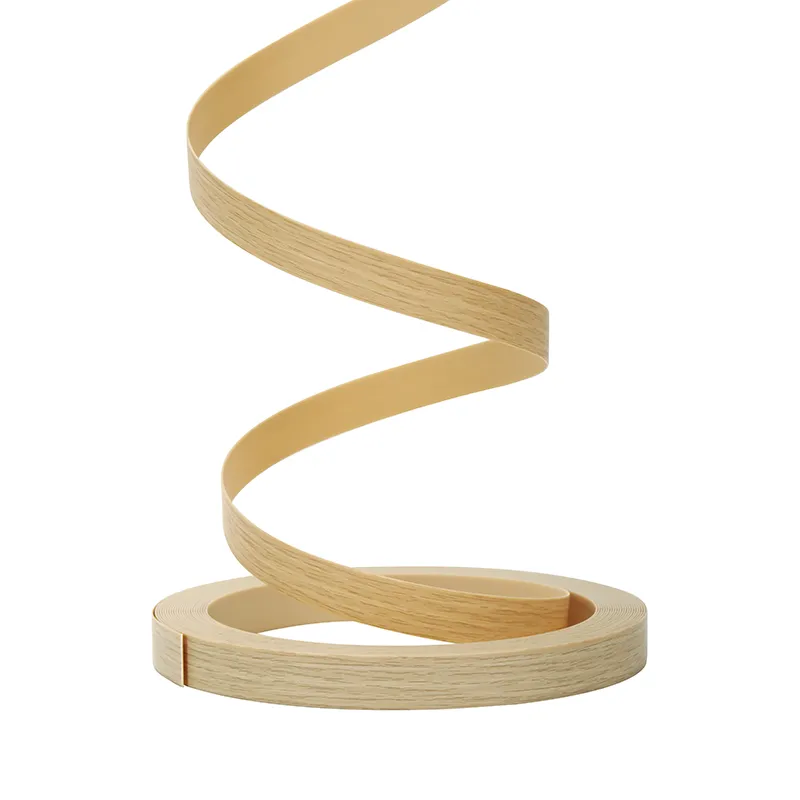
August 10, 2026
Table PVC Edge Banding Benefits for Daily Use Furniture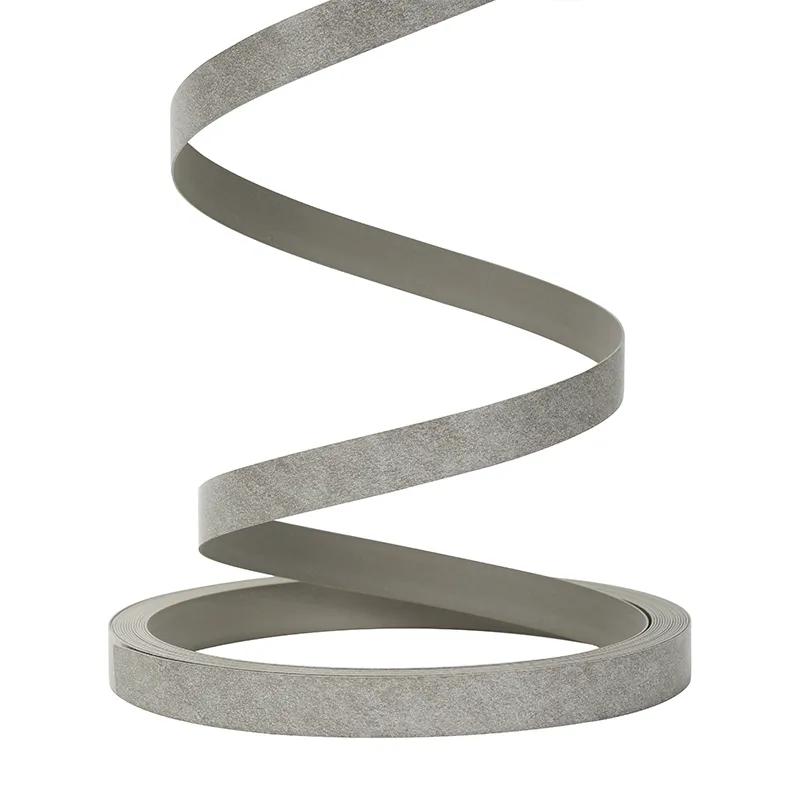
August 10, 2026
High Gloss Edge Banding vs Matte Edge Banding: What’s the Difference?
August 07, 2026
PVC Edge Banding vs Melamine Edge Banding
August 07, 2026
Tips for Processing ABS Edge Banding
August 07, 2026
PVC Door Bottom Seal Buying Guide
August 07, 2026
Cabinet PVC Edge Banding Applications in Kitchen Design