Blog
Blog
June 09, 2026
In today's furniture manufacturing industry, product appearance, durability, and environmental performance have become critical factors influencing purchasing decisions. Whether producing residential furniture, office workstations, kitchen cabinets, wardrobes, or commercial interiors, manufacturers are constantly seeking materials that enhance product quality while improving production efficiency.
Among modern edge finishing materials, ABS Edge Banding has emerged as one of the most preferred solutions. With excellent impact resistance, environmental advantages, color consistency, and processing flexibility, it is widely used in panel furniture production worldwide.
As furniture brands continue to focus on sustainability, aesthetics, and long-term durability, demand for high-quality ABS Edge Banding continues to grow across global markets.

ABS Edge Banding is a thermoplastic edge finishing material manufactured from Acrylonitrile Butadiene Styrene (ABS). It is designed to cover exposed edges of wood-based panels, improving both appearance and protection.
Common furniture components utilizing edge banding include:
MDF Panels
Particle Board
Plywood Furniture Panels
Kitchen Cabinet Doors
Office Furniture Components
Wardrobe Panels
Decorative Wall Panels
Compared with traditional edge finishing materials, ABS Edge Banding offers an excellent balance of aesthetics, durability, and environmental performance.
Panel furniture often exposes raw board edges after cutting and machining.
Without proper edge protection, furniture may experience:
Moisture penetration
Edge chipping
Reduced durability
Poor visual appearance
Shorter service life
High-quality ABS Edge Banding helps protect furniture while creating a clean, professional finish.
For furniture manufacturers, edge banding directly impacts product quality, customer satisfaction, and brand reputation.
The furniture industry continues to prioritize sustainable and high-performance materials.
Several factors are driving the transition toward ABS Edge Banding.
ABS material does not contain chlorine and generally produces fewer harmful emissions during processing compared with some conventional alternatives.
This makes it an attractive choice for environmentally conscious manufacturers.
Furniture edges frequently encounter daily wear and accidental impacts.
ABS Edge Banding provides strong resistance against cracking and edge damage.
Modern production technology allows precise color matching and texture synchronization with decorative laminates.
This helps create seamless furniture designs.
ABS edge banding performs well on automated edge banding machines, improving production speed and consistency.
The versatility of ABS Edge Banding supports a wide range of manufacturing sectors.
Wardrobes, bookshelves, dining furniture, and entertainment units often utilize ABS edge solutions.
Modern kitchen systems require durable edge protection capable of resisting humidity and daily use.
Desks, filing systems, conference tables, and workstations benefit from professional edge finishing.
Retail stores, hotels, educational facilities, and healthcare environments increasingly specify ABS materials for furniture applications.
Custom furniture producers value the wide range of colors, finishes, and dimensions available.
Several advanced technologies contribute to the performance of modern ABS Edge Banding products.
Multi-layer structures improve impact resistance and color stability.
Advanced pigmentation systems ensure close alignment with decorative surfaces.
Enhanced surface stability helps maintain appearance over time.
Modern ABS products work efficiently with high-speed edge banding equipment.
These technologies support consistent manufacturing quality and long-term product performance.
Many furniture manufacturers require solutions tailored to specific product designs.
Customizable ABS Edge Banding offers several important advantages.
Manufacturers can match edge banding to woodgrain, solid color, stone, or decorative panel finishes.
Different furniture applications require varying levels of edge protection.
Custom dimensions improve material utilization and manufacturing efficiency.
Reliable color consistency supports large-volume production projects.
Many modern ABS edge materials meet international environmental requirements.
These benefits make customizable ABS edge solutions highly attractive for furniture manufacturers worldwide.
Compared with many traditional edge finishing materials, ABS Edge Banding offers several important benefits.
Excellent impact resistance
Smooth and attractive appearance
Environmentally friendly material composition
Strong color consistency
Easy processing on automatic machinery
Good moisture resistance
Long-term durability
Available in custom colors and sizes
Suitable for modern furniture manufacturing
These advantages help manufacturers improve product quality while maintaining production efficiency.
As global furniture markets continue evolving, several trends are influencing material selection.
Emerging developments include:
Sustainable furniture materials
Low-emission manufacturing solutions
Smart furniture production systems
High-gloss decorative surfaces
Digital color matching technologies
Customized furniture manufacturing
These trends are expected to further increase demand for premium ABS Edge Banding solutions.
As furniture manufacturers seek higher quality, improved sustainability, and enhanced production efficiency, ABS Edge Banding continues to establish itself as a preferred edge finishing solution.
With excellent durability, environmental advantages, attractive aesthetics, and compatibility with modern manufacturing systems, it provides long-term value for furniture producers, cabinet manufacturers, and interior furnishing companies.
For businesses focused on producing premium furniture products, investing in high-quality customizable ABS Edge Banding remains a smart and future-oriented decision.


August 10, 2026
Edge Banding Thickness Guide: 0.4mm to 3mm
August 10, 2026
Tips for Applying Edge Banding Without Peeling
August 10, 2026
Why PVC Door Bottom Seals Improve Soundproofing
August 10, 2026
PP Edge Banding Product Review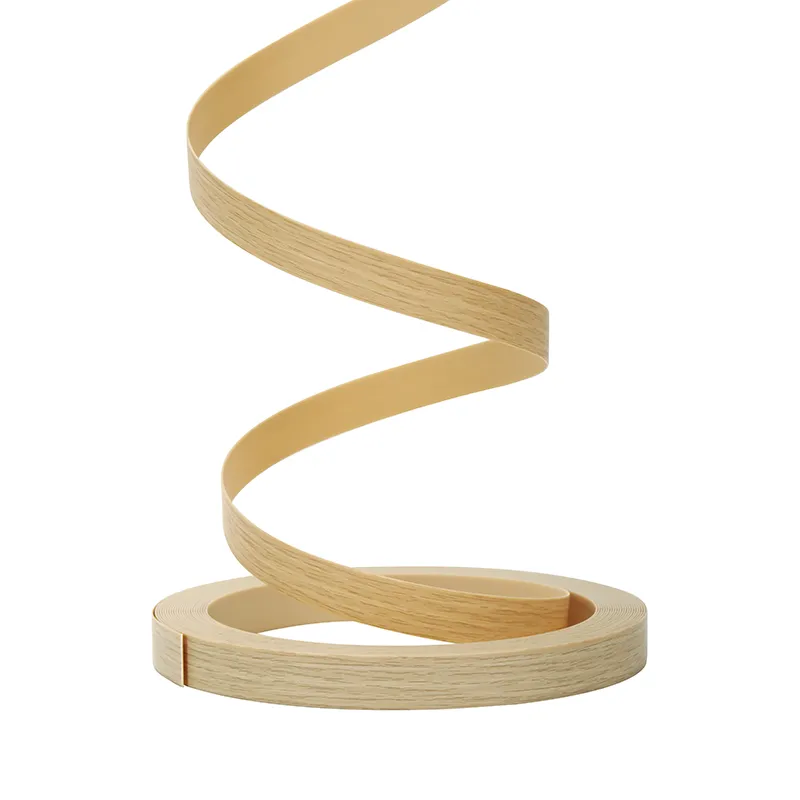
August 10, 2026
Table PVC Edge Banding Benefits for Daily Use Furniture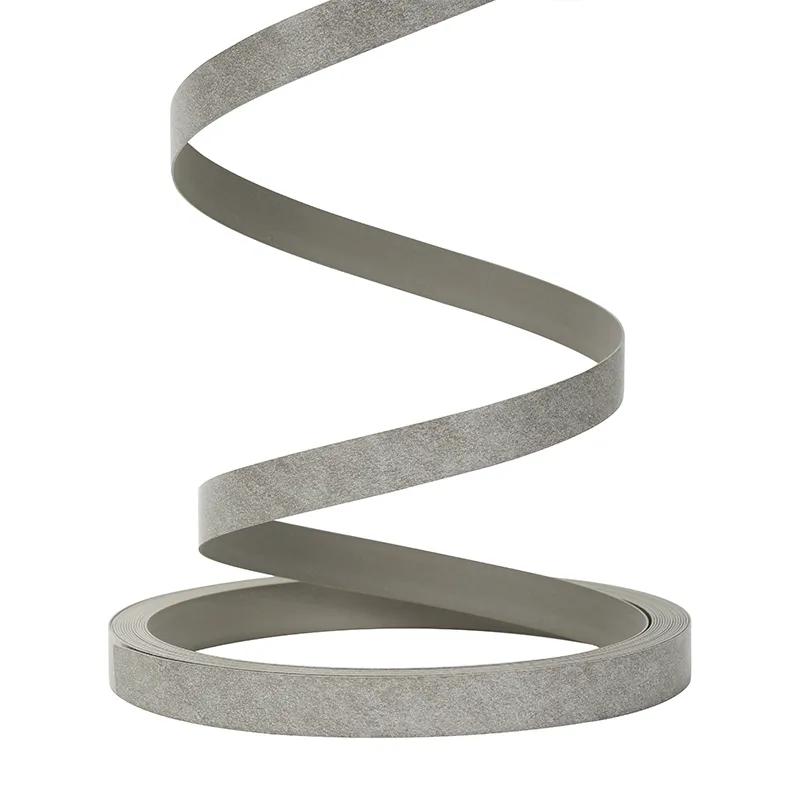
August 10, 2026
High Gloss Edge Banding vs Matte Edge Banding: What’s the Difference?
August 07, 2026
PVC Edge Banding vs Melamine Edge Banding
August 07, 2026
Tips for Processing ABS Edge Banding
August 07, 2026
PVC Door Bottom Seal Buying Guide
August 07, 2026
Cabinet PVC Edge Banding Applications in Kitchen Design