Blog
Blog
June 16, 2026
When embarking on projects involving furniture manufacturing or renovation, understanding PVC edge banding is crucial for achieving a polished, professional finish. Whether you’re a novice or a seasoned professional, this guide will provide you with comprehensive insights into the types, applications, and benefits of PVC edge banding. Here’s how you can effectively implement this solution to enhance your furniture pieces while addressing common user challenges.
To start, it’s essential to identify the various types of PVC edge banding available on the market. These include standard edge banding, pre-glued options, and color-matched varieties that align seamlessly with your furniture's surface. Here are the steps to choose the right type for your project:
Assess the Material: For high-end finishes, opt for PVC edge banding that complements the type of laminate or veneer you’re working with. It must match the thickness to ensure a seamless look, typically around 0.4mm to 2mm.
Select the Adhesive: If you choose a standard edge banding option, consider your adhesive. A hot-melt adhesive is recommended for its strong bond, while pre-glued options provide quick application without the mess.
Color Matching: Utilize color swatches and samples to find the exact match for your furniture. This attention to detail can elevate the overall aesthetic.
Having selected the right type, the next phase involves the application process. Here’s a simplified approach:
Preparation: Ensure all surfaces are clean and free of dust, using compressed air or a lint-free cloth. This step is vital for preventing defects.
Trimming and Cutting: Use a sharp cutting tool, maintaining precision to ensure edges are clean. Aim for a cutting accuracy within 0.01mm to guarantee a perfect fit.
Application: For hot-melt setups, apply the edge banding with a banding machine, ensuring even pressure throughout. For manual pasting, ensure consistent adhesive coverage.
While these steps seem straightforward, I encountered hurdles during my first projects, notably with adhesive failing under certain conditions. To combat this, I recommend:
Testing Adhesives: Always conduct a small test on scrap materials before full application to see how your chosen adhesive reacts with the substrate.
Quality Control: Implement a checkpoint system to inspect edges after application for any peeling or gaps. Adhering to ASTM D6453 testing standards ensures every applied edge banding passes quality checks.
Real-life applications and success stories affirm the importance of using PVC edge banding effectively. A local furniture maker I know increased customer satisfaction by 30% after transitioning to professional-grade PVC edge banding from generic options. They standardized their processes, leading to significant time savings and higher customer retention.
To assist you further, resources such as video tutorials and guidance from professional bodies like the Composite Panel Association may be beneficial for mastering the installation techniques.
As with any project, challenges such as temperature fluctuations or material warping could arise, potentially affecting your results. To mitigate this:
Environment Monitoring: Perform operations in controlled environments, avoiding extreme humidity or temperature changes.
Material Storage: Store PVC edge banding rolls in a dry area to prevent them from absorbing moisture, which can alter the material’s properties.
By now, you should have a thorough understanding of the types, applications, and benefits of PVC edge banding. This knowledge is essential in ensuring a refined finish for your furniture projects. As a final takeaway, remember to invest time in choosing quality materials, adhere to installation standards, and continuously seek feedback to elevate your craftsmanship.
Embrace these methodologies and experience the transformative impact of superior PVC edge banding on your work. Check out resources like those offered by chimeda for more insights and inspiration in executing your projects effectively!


August 10, 2026
Edge Banding Thickness Guide: 0.4mm to 3mm
August 10, 2026
Tips for Applying Edge Banding Without Peeling
August 10, 2026
Why PVC Door Bottom Seals Improve Soundproofing
August 10, 2026
PP Edge Banding Product Review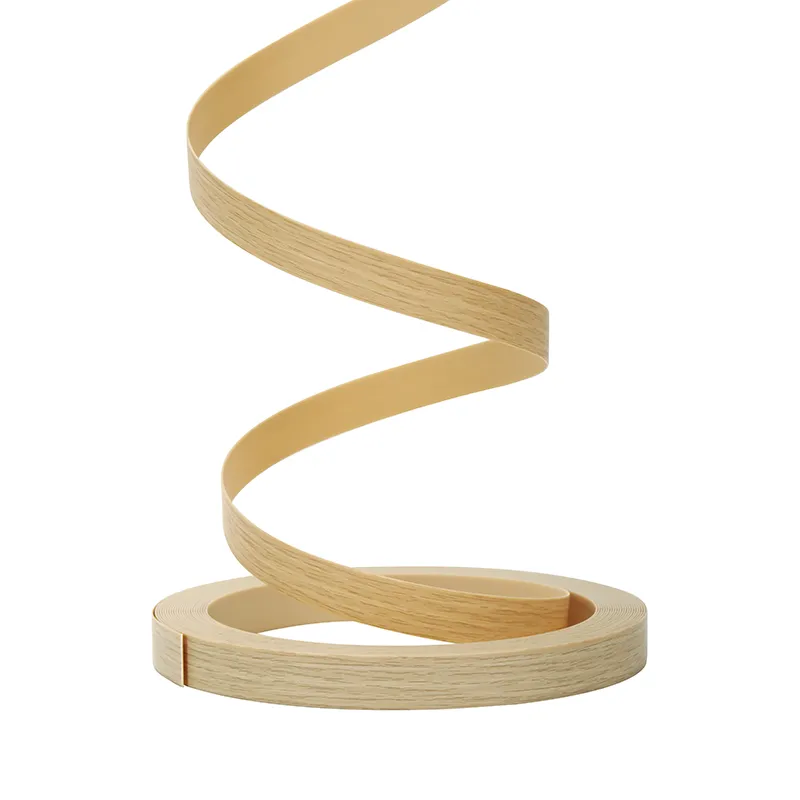
August 10, 2026
Table PVC Edge Banding Benefits for Daily Use Furniture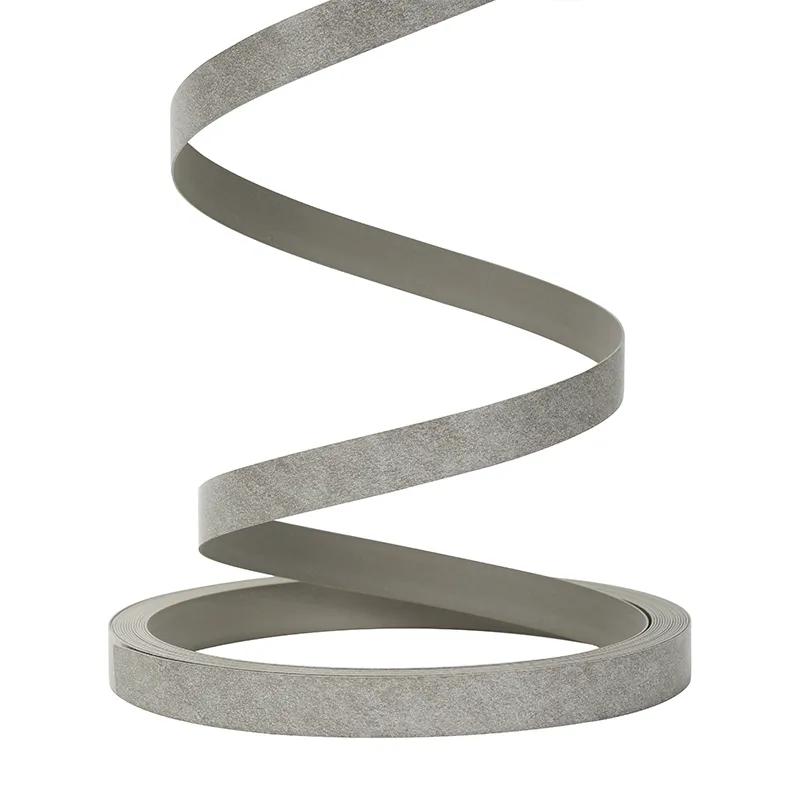
August 10, 2026
High Gloss Edge Banding vs Matte Edge Banding: What’s the Difference?
August 07, 2026
PVC Edge Banding vs Melamine Edge Banding
August 07, 2026
Tips for Processing ABS Edge Banding
August 07, 2026
PVC Door Bottom Seal Buying Guide
August 07, 2026
Cabinet PVC Edge Banding Applications in Kitchen Design