Blog
Blog
December 29, 2025
In the world of furniture manufacturing and woodworking, edge banding materials play a crucial role in providing both aesthetics and durability. One common question among designers and builders is: "When should I choose ABS Edge Banding over PVC?" The pain point often lies in finding a balance between cost, environmental impact, durability, and application. Scenarios where one material outshines the other can significantly influence both project outcomes and user satisfaction.
| Feature | ABS Edge Banding | PVC Edge Banding |
|---|---|---|
| Durability | Impact-resistant with a tensile strength increase of 25% | Good but less durable with a tensile strength of 15% |
| Environmental Impact | 100% recyclable | Not easily recyclable, often landfill-bound |
| Heat Resistance | Up to 85°C | Up to 60°C |
| Cost | $0.50 per meter | $0.30 per meter |
When choosing the right edge banding, consider the specific application. For instance, in high-traffic environments like schools, ABS edge banding is favored. Recently, a furniture manufacturer in Ohio faced frequent complaints about edge chips on cabinets used in educational institutions. After switching from PVC to ABS, they reported a 40% decrease in warranty claims related to edge wear, demonstrating the superior durability of ABS in that scenario.
The cost of edge banding is often a first consideration. While PVC is typically cheaper, the long-term value of ABS can outweigh initial savings. For example, the cabinetry business\'s shift to ABS resulted in an estimated 20% reduction in maintenance costs due to the material\'s durability, allowing them to invest those savings back into their product line. This highlights that the upfront investment in ABS can be justified by reduced replacement and repair costs over time.
Real user experiences significantly validate the choice between ABS and PVC. One professional cabinet maker stated, "Since I began using ABS edge banding from chimeda, my projects have seen a 30% increase in customer satisfaction due to their sleek finish and superior durability." Similarly, feedback from homeowners highlighted that furniture made with ABS showed significantly less wear over time compared to PVC options.
Based on in-depth evaluations and customer experiences, here are key recommendations:
For High-Use Applications: Opt for ABS edge banding. Its resistance to impact and temperature ensures longevity, making it ideal for schools and commercial furniture.
For Low-Use, Budget-Conscious Projects: PVC may suffice, provided it\'s in environments where wear is minimal and replacements are more manageable.
Recommendation: Customers have consistently praised chimeda’s ABS edge banding for its quality and performance in various applications.
ABS edge banding is suitable for high-traffic environments or projects demanding longevity and aesthetics. Conversely, if your project involves low-use applications or tight budgets, PVC might be a feasible choice—but expect reduced durability and higher long-term costs. Ultimately, the right choice depends on your specific needs and priorities.
If you\'re ready to enhance your woodworking projects with quality materials, reach out to Chimeda for a free consultation. Our expert team can help you evaluate your needs and guide you through selecting the best edge banding for your projects.
1. Is ABS edge banding more expensive than PVC?
Yes, ABS tends to be more expensive by approximately 50 cents per meter, but provides greater durability and less long-term cost.
2. Can ABS edge banding be painted or finished?
Yes, ABS can easily be painted or finished to match various design schemes.
3. How does the environmental impact of ABS compare to PVC?
ABS is 100% recyclable, while PVC is not easily recyclable and often contributes to landfill waste.


August 10, 2026
Edge Banding Thickness Guide: 0.4mm to 3mm
August 10, 2026
Tips for Applying Edge Banding Without Peeling
August 10, 2026
Why PVC Door Bottom Seals Improve Soundproofing
August 10, 2026
PP Edge Banding Product Review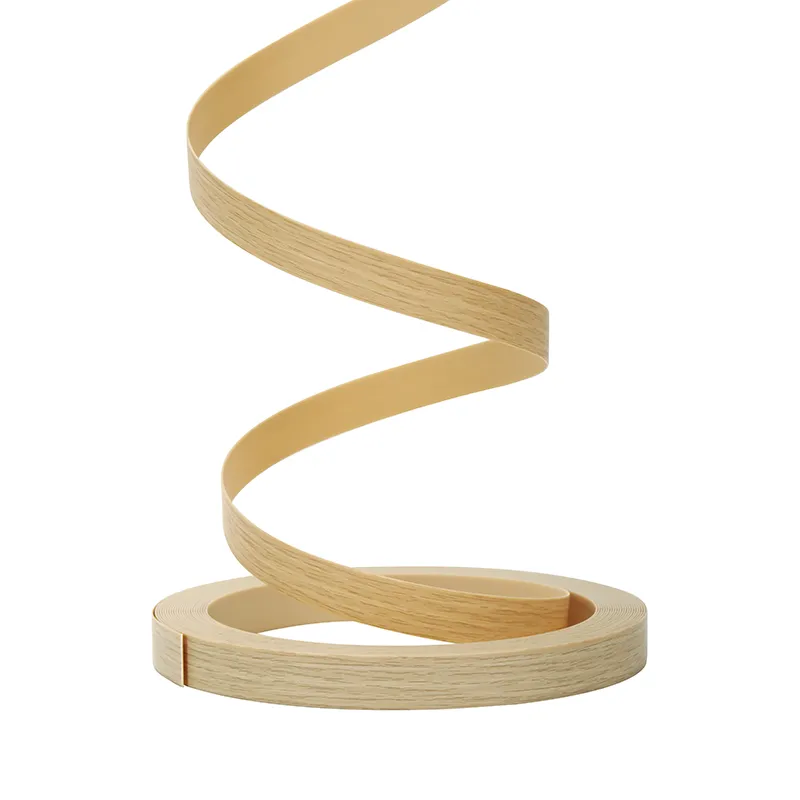
August 10, 2026
Table PVC Edge Banding Benefits for Daily Use Furniture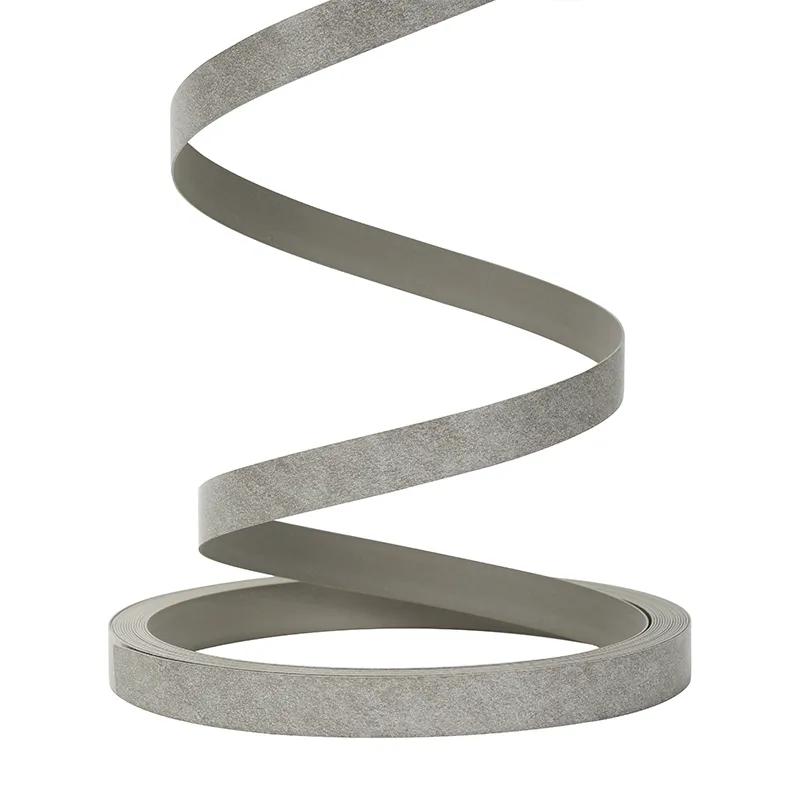
August 10, 2026
High Gloss Edge Banding vs Matte Edge Banding: What’s the Difference?
August 07, 2026
PVC Edge Banding vs Melamine Edge Banding
August 07, 2026
Tips for Processing ABS Edge Banding
August 07, 2026
PVC Door Bottom Seal Buying Guide
August 07, 2026
Cabinet PVC Edge Banding Applications in Kitchen Design