Blog
Blog
March 30, 2026
ABS edge banding, a thermoplastic polymer material, plays a crucial role in modern furniture manufacturing, providing not only aesthetic appeal but also functional benefits. This versatile material is applied to the edges of various boards and substrates, enhancing the overall finish and durability of furniture pieces. The value it brings to businesses is immense, as it helps achieve a polished look while protecting edges from damage, moisture, and wear, which can result in significant cost-saving over time.
Historically, edge banding has evolved from traditional wood veneers to more sophisticated materials, with ABS leading the charge due to its impressive properties. Developed in the late 20th century, ABS caught the attention of furniture manufacturers for its ease of application and customization options. Unlike its predecessors, such as PVC and wood, ABS edge banding offers superior resistance to impacts, heat, and chemicals, aligning perfectly with the fast-paced demands of the modern furniture industry.
The practical uses of ABS edge banding in contemporary furniture are diverse. It is widely utilized in kitchen cabinets, office desks, and shelving units, ensuring a clean and seamless look. Its significance extends beyond mere aesthetics; the durability it provides against chipping and peeling makes it a preferred choice for high-traffic furniture. Businesses have reported that utilizing ABS edge banding significantly reduces customer complaints regarding wear and tear, highlighting its effectiveness in real-world applications.
Despite its popularity, some misconceptions persist around ABS edge banding. A common error is assuming that all edge banding materials offer similar performance. In reality, ABS edge banding boasts a precision of up to 0.01mm during manufacturing, ensuring a tight fit that minimizes gaps. Additionally, many assume it is overly expensive; however, the long-term durability translates into cost efficiency, reducing the need for frequent replacements and repairs.
To illustrate the effectiveness of ABS edge banding, consider a case study involving a large furniture manufacturer that transitioned from PVC to ABS. The change resulted in a 30% reduction in warranty claims related to edge damage within the first year. Such evidence solidifies its status as a superior material in the industry and demonstrates the tangible benefits of incorporating ABS edge banding into furniture design.
In summary, ABS edge banding has become popular in modern furniture due to its durability, aesthetic advantages, and cost-saving benefits. Understanding the practical applications and the misconceptions surrounding this material can empower businesses to make informed decisions that enhance their product offerings. For those seeking further information or considering a switch to ABS edge banding, exploring options from reputable manufacturers like chimeda can open the door to innovation and quality in furniture design.
chimeda.com/data/watermark/main/20260121/6970451a717a9.jpg">Explore more about Chimeda’s ABS edge banding and see how it can elevate your furniture products today.


August 10, 2026
Edge Banding Thickness Guide: 0.4mm to 3mm
August 10, 2026
Tips for Applying Edge Banding Without Peeling
August 10, 2026
Why PVC Door Bottom Seals Improve Soundproofing
August 10, 2026
PP Edge Banding Product Review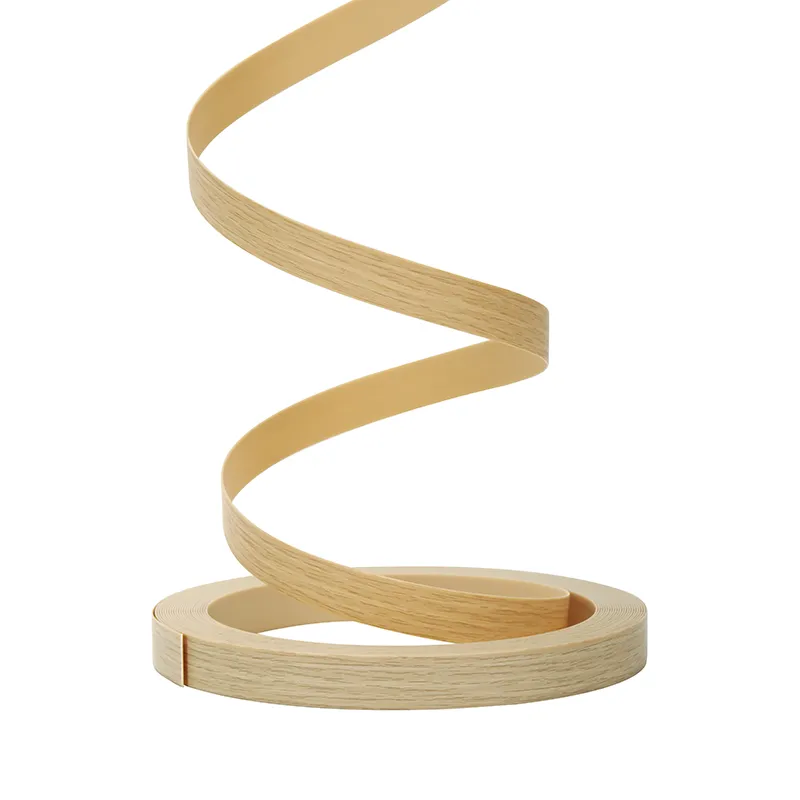
August 10, 2026
Table PVC Edge Banding Benefits for Daily Use Furniture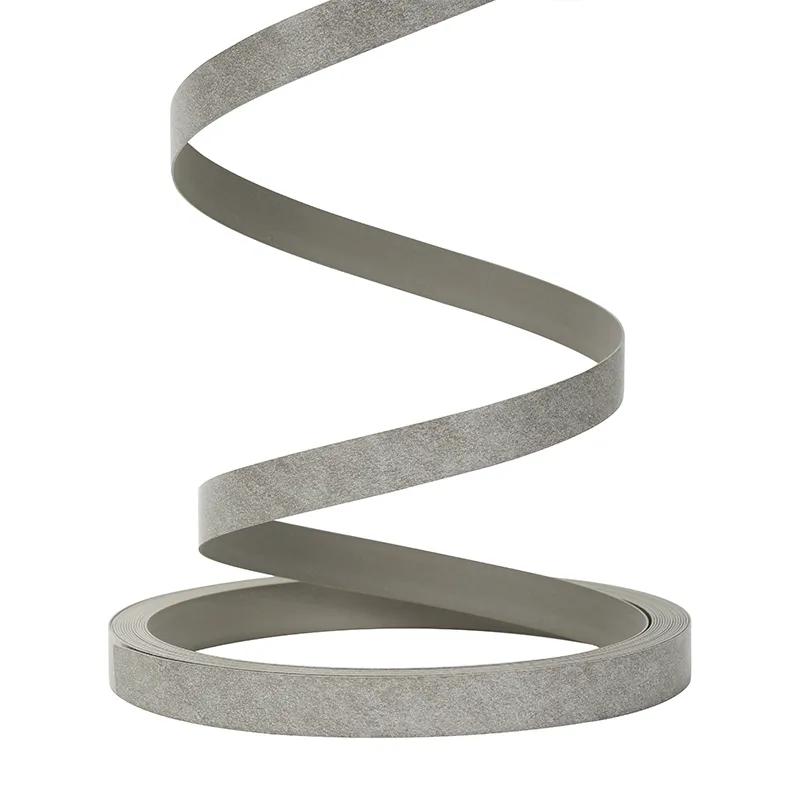
August 10, 2026
High Gloss Edge Banding vs Matte Edge Banding: What’s the Difference?
August 07, 2026
PVC Edge Banding vs Melamine Edge Banding
August 07, 2026
Tips for Processing ABS Edge Banding
August 07, 2026
PVC Door Bottom Seal Buying Guide
August 07, 2026
Cabinet PVC Edge Banding Applications in Kitchen Design