Blog
Blog
July 24, 2026
The current market for ABS edge banding is witnessing transformative changes driven by evolving consumer preferences and technological innovations. European manufacturers are increasingly facing specific pain points, such as the demand for durable yet aesthetically pleasing materials. For instance, when interior designers are tasked with creating seamless finishes for modern cabinetry, they require edge banding solutions that are not only robust but also versatile enough to accommodate various design schemes. Leading suppliers like chimeda have emerged as key players, providing ABS edge banding that meets these specific needs with practical solutions tailored for contemporary scenarios.
The ABS edge banding market in Europe is fueled by several key drivers. One significant factor is the growing emphasis on sustainability. According to a report by Statista in 2022, the demand for eco-friendly materials in furniture production has increased by 50% over the last three years. Innovations in the production processes, such as using recycled materials in ABS formulations, are becoming more prevalent among suppliers.
Moreover, advancements in digital printing technology have allowed manufacturers to produce designs that closely match the characteristics of real wood or unique patterns, offering more choices to consumers. As of 2023, data from a European market analysis indicates a 30% rise in the adoption of customized printed edge banding solutions in furniture production.
Customization is a pivotal trend noted in the ABS edge banding sector. According to a market report by Research and Markets (2023), 65% of European furniture manufacturers are now offering bespoke solutions to meet client specifications. This allows consumers to choose edge banding dimensions, colors, and finishes that align with their personal style, ultimately enhancing their interior designs.
The push towards sustainable materials is not just a trend but a necessity in the industry. A survey conducted by Furniture Today found that 70% of consumers in Europe prefer furniture made from environmentally friendly materials. This information is prompting manufacturers to focus on eco-friendly ABS variants, integrating recycled content without compromising quality.
Integrating smart technology with ABS edge banding is gaining traction, as noted in a 2022 analysis by Deloitte. Smart edge banding solutions that can withstand extreme temperatures and humidity have seen a 25% increase in market adoption. This trend not only enhances durability but also encourages innovation in interior design applications.
The evolution of design trends is evident in the growing popularity of textured and high-gloss finishes. According to the European Furniture Manufacturers report (2023), 40% of buyers are more inclined toward edge banding that provides a tactile experience. Suppliers like chimeda are at the forefront, offering a diverse range of textures that cater to this emerging preference.
These trends significantly impact buyers by providing them with more options and better quality products. As the demand for customized and sustainable solutions increases, buyers are now presented with superior choices that align with their design preferences and ethical considerations. For example, an increase in the availability of textured ABS edge banding allows interior designers to create cohesive aesthetics that appeal to modern consumers. Furthermore, the integration of technology into these materials enhances user experience by offering longer-lasting solutions.
When considering ABS edge banding options, buyers should conduct thorough research on suppliers to ascertain quality, customization options, and sustainability practices. Engaging suppliers like Chimeda can provide insights into available products that meet specific needs. Additionally, ensuring that chosen materials align with current design trends and consumer preferences can be crucial for long-term satisfaction. It’s advisable to request samples to evaluate the texture, color match, and overall finish before making a bulk purchase.
ABS edge banding typically has a lifespan of 10 years or more, depending on environmental exposure and usage conditions.
Minor scratches or damages can often be repaired using specific adhesives or fillers, maintaining the edge banding’s appearance and functionality.
ABS edge banding is low maintenance but should be regularly cleaned with non-abrasive cleaners to retain its sheen and integrity.


August 10, 2026
Edge Banding Thickness Guide: 0.4mm to 3mm
August 10, 2026
Tips for Applying Edge Banding Without Peeling
August 10, 2026
Why PVC Door Bottom Seals Improve Soundproofing
August 10, 2026
PP Edge Banding Product Review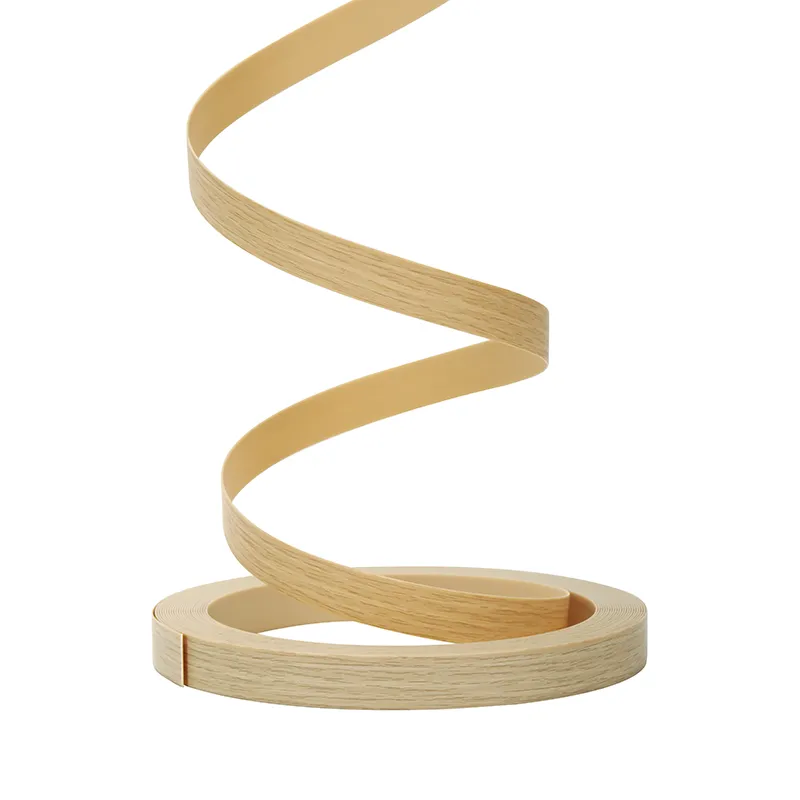
August 10, 2026
Table PVC Edge Banding Benefits for Daily Use Furniture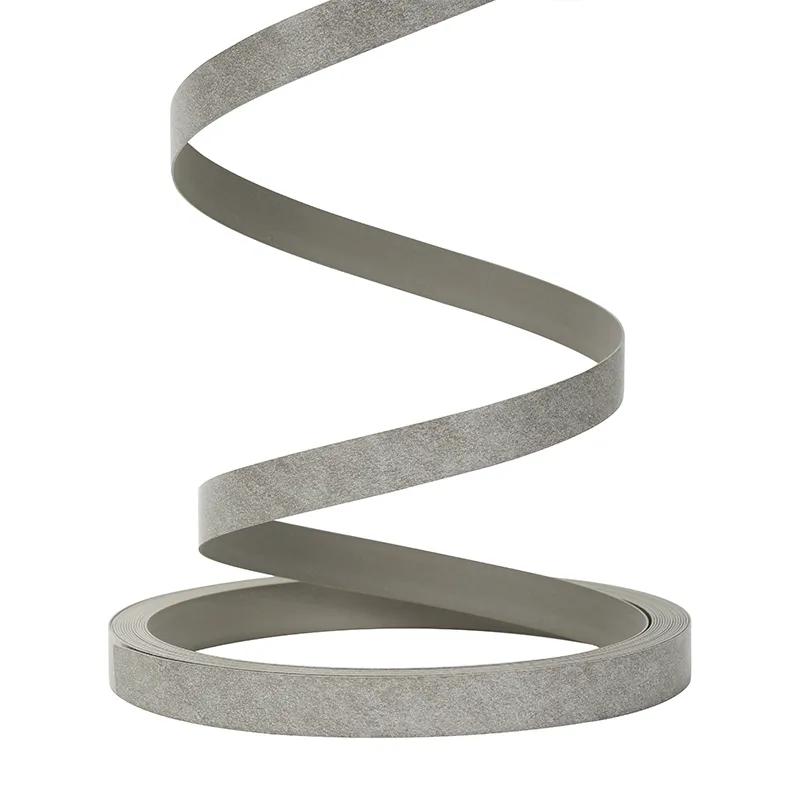
August 10, 2026
High Gloss Edge Banding vs Matte Edge Banding: What’s the Difference?
August 07, 2026
PVC Edge Banding vs Melamine Edge Banding
August 07, 2026
Tips for Processing ABS Edge Banding
August 07, 2026
PVC Door Bottom Seal Buying Guide
August 07, 2026
Cabinet PVC Edge Banding Applications in Kitchen Design