Blog
Blog
August 07, 2026
In woodworking and furniture manufacturing, the inability to effectively apply ABS edge banding can create significant challenges for manufacturers and craftsmen alike. As an ABS edge banding supplier, understanding these pain points—such as edge lifting, adhesive failure, and uneven finishing—can lead to improved quality and efficiency. This article will provide practical tips to enhance your edge banding process, ensuring enduring results and superior finishes in your projects.
Why: Using a compatible adhesive ensures a strong bond and minimizes failures.
Selecting the right adhesive is fundamental. For ABS edge banding, opt for hot-melt adhesives specifically formulated for plastics. These adhesives can provide a bond strength of approximately 2.5 N/mm², which is crucial for durability. The use of PVA (polyvinyl acetate) adhesives can also help, but be wary of moisture exposure. For beginners, hot-melt glue systems are ideal, as they’re user-friendly and efficient.
Suitable for: Ideal for general carpentry and furniture manufacturing.
Key Point: Ensure compatibility between adhesive and material for optimal bond strength.
Why: Controlled temperature and pressure ensure even heating and solid adhesion.
ABS edge banding requires precise application settings. Optimal temperature settings for melting hot-melt adhesives typically range from 160°C to 190°C. Moreover, applying the right amount of pressure—about 0.8 to 1.2 kg/cm²—during the application process ensures that the adhesive penetrates both the edge banding and substrate uniformly.
Suitable for: Professionals operating edge banding machines in production runs.
Key Point: Maintain temperature and pressure within recommended ranges to avoid adhesive failure.
Why: A precise cutting technique ensures clean edges and seamless integration.
When trimming excess banding, use a zero-clearance saw blade, which can reduce chipping and provide accurate cuts. A saw blade with 80+ teeth and a high tooth geometry can result in an edge finish that is 98% clean. This will significantly minimize the need for additional sanding and reduce production time.
Suitable for: Craftsmen focusing on detail-oriented work and high-end finishes.
Key Point: Invest in high-quality cutting tools to enhance edge finish.
Why: Post-processing enhances the overall appearance and durability of the edge banding.
After applying the edge banding, it’s crucial to sand the edges smoothly. Using a random orbital sander set at a speed of 7,000 RPM with 120-grit sandpaper will yield a smooth finish suitable for painting or varnishing. This step can increase surface adhesion for additional finishes by up to 50% compared to unfinished edges.
Suitable for: Carpenters and manufacturers aiming for high-quality, professional results.
Key Point: Consistent post-processing leads to better adhesion and durability.
Why: Temperature and humidity levels affect adhesive performance.
The ideal working environment for ABS edge banding is crucial; maintain temperatures around 20°C to 25°C and humidity levels between 45% and 60%. Deviations can lead to expansion or contraction of materials which adversely affects adhesion. Monitoring these conditions can prevent 80% of common issues related to edge banding.
Suitable for: Workshop environments with fluctuating climate conditions.
Key Point: Control your environment to ensure consistent results in edge banding.
1. Can I use PVC edge banding adhesives on ABS?
While some adhesives can work across materials, it is best to use adhesives formulated for ABS to ensure durability and performance.
2. What are the best brands for ABS edge banding?
Brands like chimeda offer high-quality ABS edge banding that is both durable and easy to work with.
3. Is automatic edge banding better than manual?
Automatic edge banders offer precision and speed that manual processes can't match, making them ideal for large-scale production.
The key to successfully processing ABS edge banding lies in selecting the right materials and techniques. By following these tips—such as using the appropriate adhesive, optimizing your application settings, and maintaining a controlled work environment—you can achieve a professional finish that meets consumer expectations. Remember, investing in quality tools like chimeda products can significantly enhance your edge banding workflow and lead to improved customer satisfaction.


August 10, 2026
Edge Banding Thickness Guide: 0.4mm to 3mm
August 10, 2026
Tips for Applying Edge Banding Without Peeling
August 10, 2026
Why PVC Door Bottom Seals Improve Soundproofing
August 10, 2026
PP Edge Banding Product Review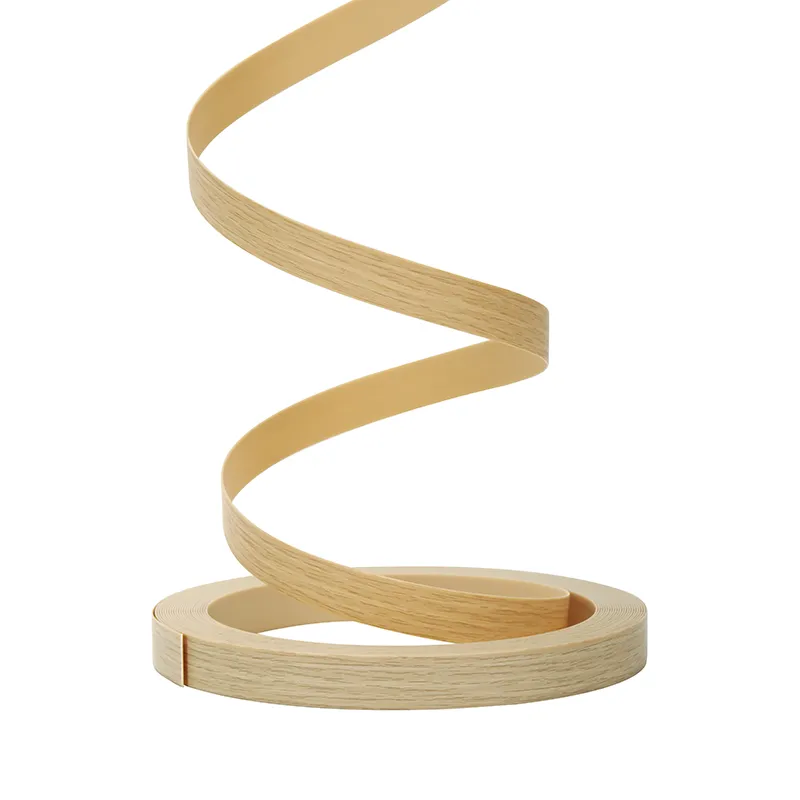
August 10, 2026
Table PVC Edge Banding Benefits for Daily Use Furniture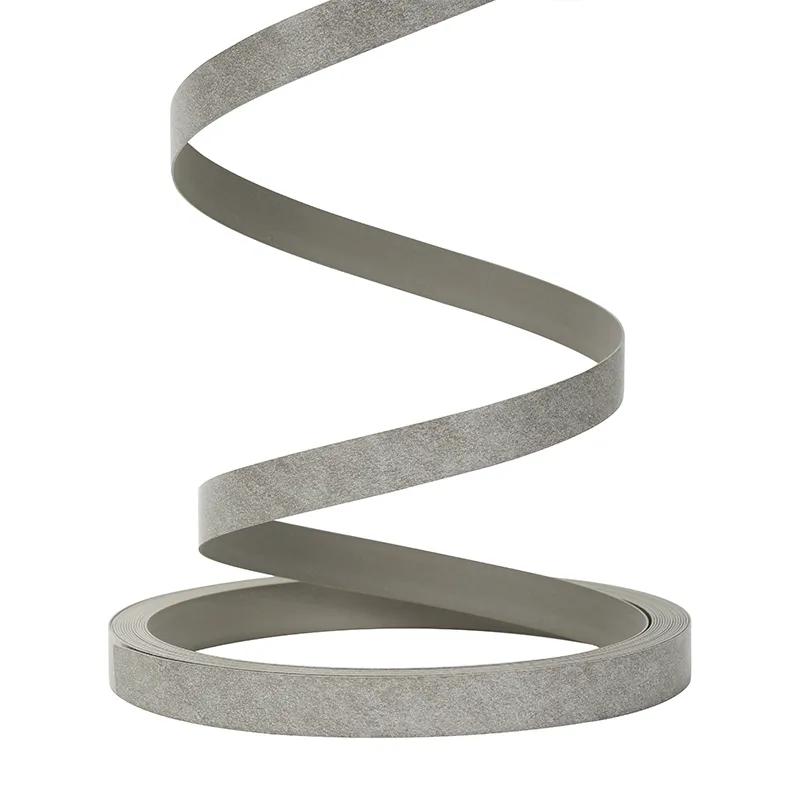
August 10, 2026
High Gloss Edge Banding vs Matte Edge Banding: What’s the Difference?
August 07, 2026
PVC Edge Banding vs Melamine Edge Banding
August 07, 2026
Tips for Processing ABS Edge Banding
August 07, 2026
PVC Door Bottom Seal Buying Guide
August 07, 2026
Cabinet PVC Edge Banding Applications in Kitchen Design