Blog
Blog
June 18, 2026
For furniture factories, cabinet manufacturers, interior designers, and building material importers, achieving accurate ABS Edge Banding Color Matching is one of the most critical steps in ensuring premium furniture appearance and export-grade quality.
In modern furniture panel finishing systems, even a small color mismatch between edge banding and board surface can affect product value perception, increase rejection rates, and reduce brand competitiveness in international markets.
This guide explains how to achieve accurate ABS Edge Banding Color Matching, the key influencing factors, and industry best practices used in MDF furniture, kitchen cabinet production, and commercial interior projects.

In furniture production, ABS Edge Banding Color Matching directly affects:
Visual consistency of furniture panels
Customer acceptance rate in export markets
Product premium positioning
Manufacturing defect reduction rate
Brand reputation in OEM furniture supply chains
In high-volume manufacturing, inconsistent color matching can increase rejection rates by up to 15–25%, especially in modular kitchen and wardrobe production lines.
Different substrates such as MDF, particle board, and plywood absorb light differently, affecting final perceived color.
Color matching must consider:
Matte surface boards
High gloss furniture panels
Wood grain textured surfaces
Each surface reflects light differently, affecting visual color perception.
ABS Edge Banding uses thermoplastic pigments that may vary slightly between production batches, especially in large-scale OEM manufacturing.
Color appearance changes under:
Natural daylight
Warm indoor lighting
Industrial factory lighting
Standardized D65 lighting is often used in professional color matching systems.
Most furniture manufacturers rely on:
RAL color system
Pantone color standards
Customized wood grain libraries
These systems ensure consistency across global supply chains.
Before bulk ordering ABS Edge Banding, it is essential to:
Compare physical samples
Test under real lighting conditions
Confirm batch consistency
Advanced factories now use:
Spectrophotometer color measurement
Digital color matching databases
AI-based furniture design systems
These technologies reduce human error in color selection.
Correct pairing between:
MDF board surface texture
Laminated decorative paper
ABS edge banding strip
ensures uniform visual appearance after finishing.
Used in:
Office furniture
Minimalist modern cabinets
Provides clean and uniform visual effect.
Used in:
Kitchen cabinets
Wardrobe systems
Residential furniture
Requires high precision grain alignment.
Used in:
Luxury furniture
Commercial interior design
Requires strict surface reflection consistency.
Digital colors often differ from real material appearance.
Even small production variations can cause visible mismatch in large furniture installations.
Evaluating color only in factory lighting leads to inaccurate results.
Using multiple ABS Edge Banding suppliers increases inconsistency risk.
Before ordering ABS Edge Banding, manufacturers should confirm:
Color reference standard (RAL / Pantone / custom sample)
Surface finish type (matte, gloss, wood grain)
Thickness range (0.4mm–3mm)
Adhesion compatibility with hot melt systems
Batch consistency control system
UV resistance performance for long-term color stability
For furniture manufacturers seeking stable and consistent color performance, Chimeda ABS Edge Banding systems provide:
Precise color replication across production batches
Wide wood grain and solid color libraries
Stable pigment formulation for long-term use
Compatibility with automated edge banding machines
Custom color development for OEM projects
These solutions are widely used in:
Kitchen cabinet manufacturing
Office furniture production
Hotel furniture engineering projects
Export-oriented furniture factories
Based on furniture manufacturing feedback:
Accurate color matching can reduce rework rates by up to 30%
Consistent ABS edge banding improves customer acceptance in export markets by 20–35%
OEM factories using standardized color systems report significantly lower defect rates in mass production
Use standardized color systems like RAL or Pantone, verify physical samples, and test under real lighting conditions.
Lighting conditions, surface texture, and material reflection differences can affect perceived color.
Yes, OEM manufacturers can produce custom colors based on samples or digital references.
Spectrophotometer-based digital matching combined with physical sample verification is the most accurate approach.
Yes, small variations between production batches can affect large-scale furniture consistency.
Achieving precise ABS Edge Banding Color Matching is essential for high-quality furniture manufacturing. Proper use of standardized color systems, material consistency control, and advanced digital matching tools can significantly improve production efficiency and product appearance quality.
For manufacturers targeting premium furniture markets, accurate color matching is a key factor in reducing defects, improving brand value, and increasing export competitiveness.
Email: Chimeda@supplier.com
Chimeda provides professional ABS edge banding color matching solutions for global furniture manufacturers.


August 10, 2026
Edge Banding Thickness Guide: 0.4mm to 3mm
August 10, 2026
Tips for Applying Edge Banding Without Peeling
August 10, 2026
Why PVC Door Bottom Seals Improve Soundproofing
August 10, 2026
PP Edge Banding Product Review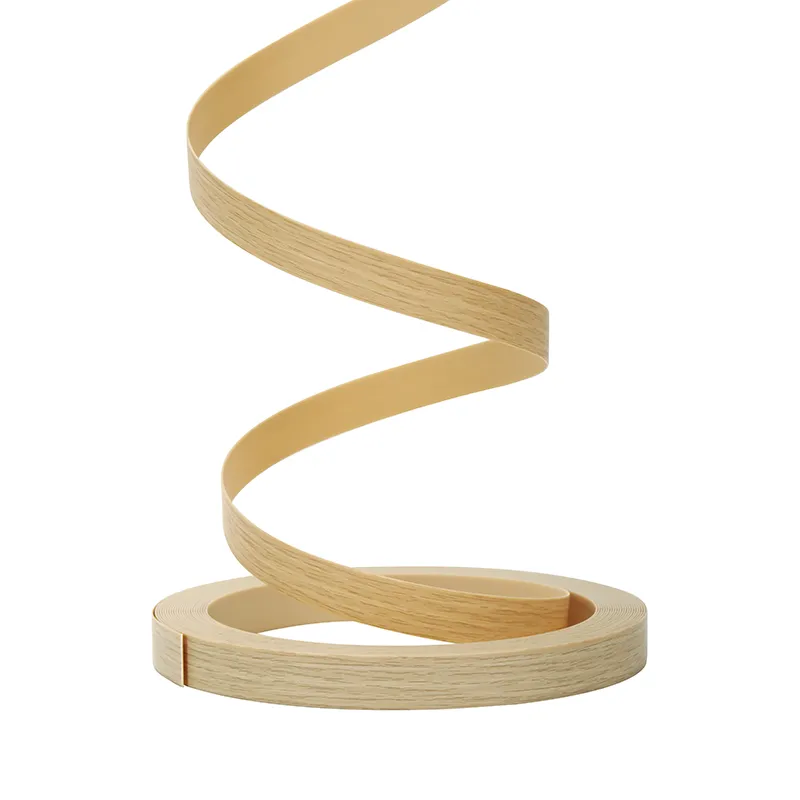
August 10, 2026
Table PVC Edge Banding Benefits for Daily Use Furniture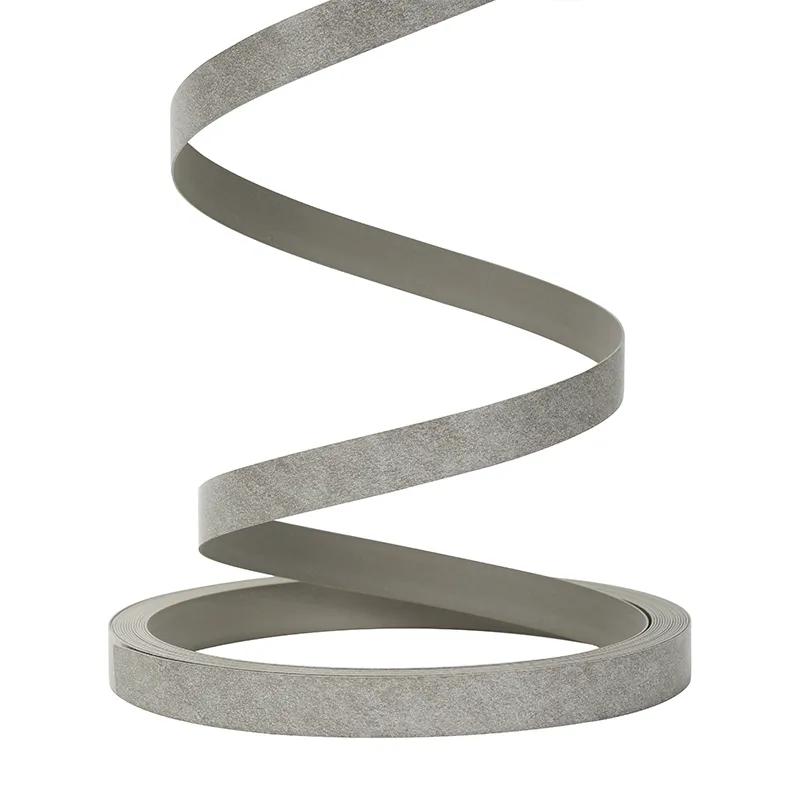
August 10, 2026
High Gloss Edge Banding vs Matte Edge Banding: What’s the Difference?
August 07, 2026
PVC Edge Banding vs Melamine Edge Banding
August 07, 2026
Tips for Processing ABS Edge Banding
August 07, 2026
PVC Door Bottom Seal Buying Guide
August 07, 2026
Cabinet PVC Edge Banding Applications in Kitchen Design