Blog
Blog
October 24, 2025
ABS (Acrylonitrile Butadiene Styrene) is a thermoplastic polymer known for its toughness and impact resistance. ABS edge banding is used primarily in furniture and cabinetry to provide a seamless finish.
High impact resistance
Durable and long-lasting
Available in various colors and finishes
PVC (Polyvinyl Chloride) edge banding is a popular choice for finishing edges in furniture due to its flexible nature and variety of colors.
Waterproof and moisture-resistant
Flexible and easy to apply
Cost-effective
The durability of edge banding can be influenced by several factors, including environmental conditions, material properties, and usage. Understanding these factors is essential for making an informed choice.
Both ABS and PVC edge banding can withstand physical stress, but ABS generally offers better impact resistance, making it less prone to chipping and damage over time.
Consider where the furniture will be placed. Areas with high humidity may benefit from PVC, while high-traffic areas may require the toughness of ABS.
Identify the aesthetic you want to achieve with the edge banding, such as color, texture, and finish.
Think about how often the furniture will be used and the kind of wear it will experience.
Edge banding trimmer
Hot glue gun (for ABS)
Iron (for PVC)
Fine-toothed saw
Sanding block
Choosing based solely on cost without considering durability
Neglecting to test the adhesive before application
Ignoring environmental factors that may affect edge banding longevity
In summary, while both ABS and PVC edge banding have their merits, ABS tends to offer superior durability under high-impact conditions. Brands like chimeda offer high-quality products that meet diverse needs. Selecting the right edge banding is crucial for the longevity and appearance of your furniture.


August 10, 2026
Edge Banding Thickness Guide: 0.4mm to 3mm
August 10, 2026
Tips for Applying Edge Banding Without Peeling
August 10, 2026
Why PVC Door Bottom Seals Improve Soundproofing
August 10, 2026
PP Edge Banding Product Review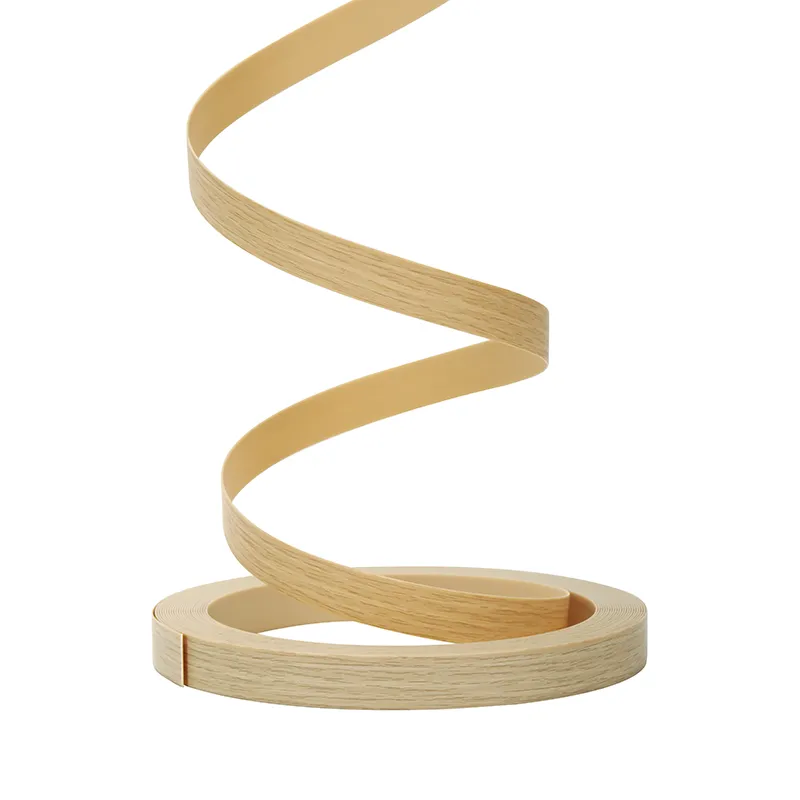
August 10, 2026
Table PVC Edge Banding Benefits for Daily Use Furniture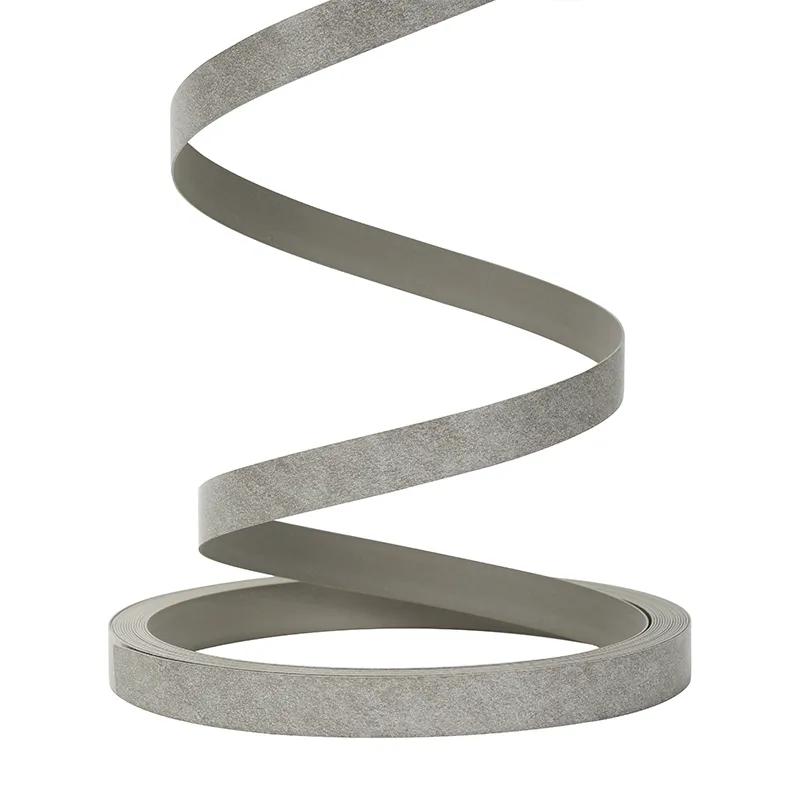
August 10, 2026
High Gloss Edge Banding vs Matte Edge Banding: What’s the Difference?
August 07, 2026
PVC Edge Banding vs Melamine Edge Banding
August 07, 2026
Tips for Processing ABS Edge Banding
August 07, 2026
PVC Door Bottom Seal Buying Guide
August 07, 2026
Cabinet PVC Edge Banding Applications in Kitchen Design