Blog
Blog
April 02, 2026
ABS (Acrylonitrile Butadiene Styrene) edge banding is a popular choice for finishing the edges of plywood and MDF. Known for its rigidity and resistance to impacts, it provides a smooth and seamless finish.
PP (Polypropylene) edge banding is another option widely used in furniture and cabinetry manufacturing. It is lightweight and flexible, which makes it easy to work with.
| Feature | ABS Edge Banding | PP Edge Banding |
|---|---|---|
| Durability | High | Moderate |
| Cost | Higher | Lower |
| Resistance to Heat | Moderate | Lower |
| Moisture Resistance | Moderate | High |
Users frequently highlight the durability and finish of ABS edge banding, noting that it retains its structure and appearance over time, making it ideal for furniture that endures regular use.
While users appreciate the affordability of PP edge banding, several report challenges with its impact resistance and temperature sensitivity, noting that it may require more careful handling.
Choosing between ABS and PP edge banding depends largely on the specific needs of your project. Here’s a quick summary:
ABS edge banding is recommended for high-end furniture manufacturers and projects that demand a premium finish and durability, such as kitchen cabinets and office furniture.
PP edge banding is suitable for budget-conscious projects that still require a decent aesthetic, ideal for residential furniture and cabinetry in less demanding environments.
When deciding between ABS Edge Banding and PP Edge Banding, consider the intended use and budget. Both materials have their unique advantages and limitations, making them suitable for different applications. For further insights and quality options, explore what Chimeda has to offer at Chimeda.


August 10, 2026
Edge Banding Thickness Guide: 0.4mm to 3mm
August 10, 2026
Tips for Applying Edge Banding Without Peeling
August 10, 2026
Why PVC Door Bottom Seals Improve Soundproofing
August 10, 2026
PP Edge Banding Product Review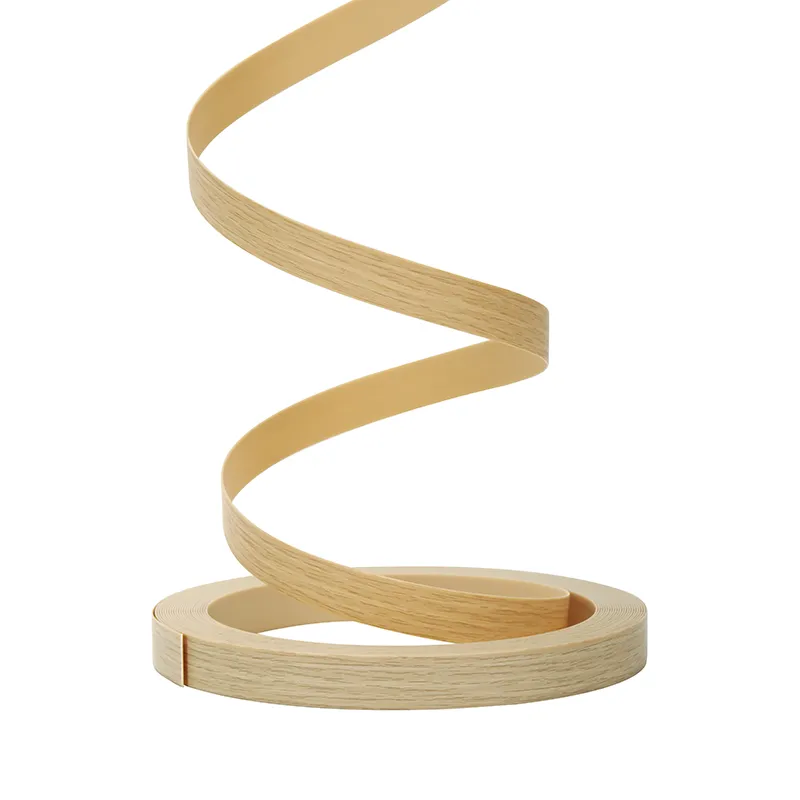
August 10, 2026
Table PVC Edge Banding Benefits for Daily Use Furniture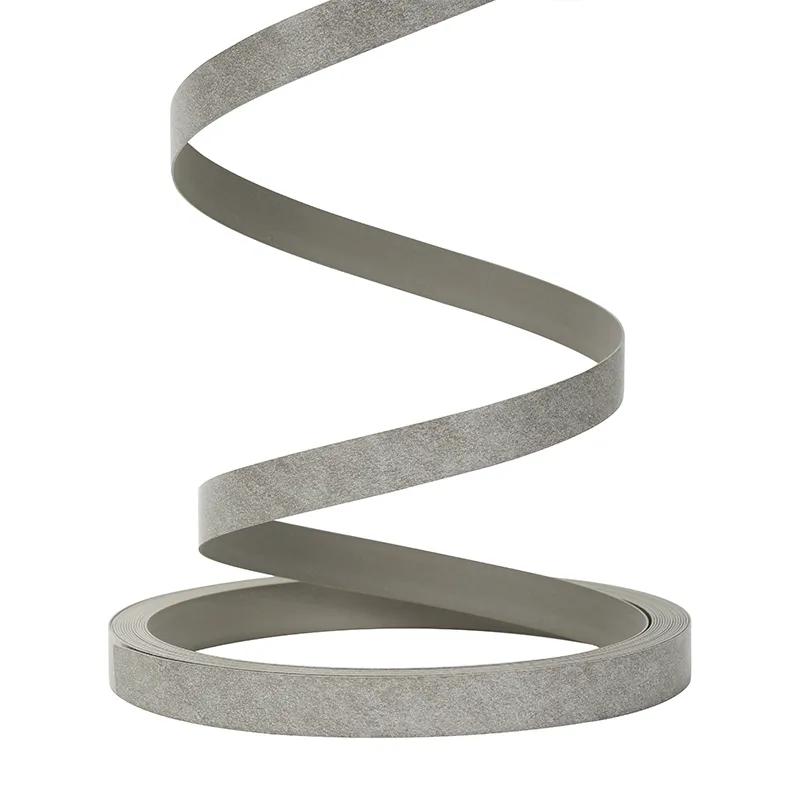
August 10, 2026
High Gloss Edge Banding vs Matte Edge Banding: What’s the Difference?
August 07, 2026
PVC Edge Banding vs Melamine Edge Banding
August 07, 2026
Tips for Processing ABS Edge Banding
August 07, 2026
PVC Door Bottom Seal Buying Guide
August 07, 2026
Cabinet PVC Edge Banding Applications in Kitchen Design