Blog
Blog
August 03, 2026
If you’re looking to enhance the appearance and durability of your furniture, an ABS edge banding buying guide is essential. ABS edge banding is a material widely used in the furniture industry to cover the exposed edges of particle boards and MDF (Medium Density Fiberboard) to create a smooth, polished look. In this guide, we will explore the types, sizes, applications, and key factors to consider for purchasing ABS edge banding, helping you make an informed decision.
ABS (Acrylonitrile Butadiene Styrene) edge banding is a thermoplastic material known for its durability and resistance to impact and scratches. It is a popular choice for both industrial and DIY furniture projects. Here are some critical aspects:
Durability: ABS offers exceptional resistance to daily wear and tear.
Aesthetic Appeal: It comes in various colors and finishes, resembling laminate or wood.
Application Methods: Typically applied using hot melt adhesive, facilitating an easy installation process.
ABS edge banding comes in different types to meet various needs:
Self-Adhesive ABS: These come with a glue backing, suitable for quick projects.
Standard ABS: Requires glue application, ideal for more permanent solutions.
Pre-Radiused ABS: Already rounded for easy installation on curved furniture edges.
Choosing the right size and thickness is crucial for an effective finish:
Standard Widths: Typically available in widths ranging from 19mm to 50mm.
Thickness Options: Commonly 0.4mm to 3mm thick, with thicker options providing better durability.
Custom Sizes: Some suppliers offer custom sizes to cater to specific needs.
When selecting ABS edge banding, consider color and finish to match your furniture:
Color Variations: Available in a wide range from solid colors to wood grain patterns.
Matte vs. Glossy Finish: Choose based on your overall design aesthetic.
Matching with Core Materials: Ensure that the edge banding matches or complements the substrate material.
Investing in quality ABS edge banding ensures longevity:
Thickness Consistency: Check for uniform thickness to prevent peeling and warping.
Adhesive Quality: Ensure a high-quality adhesive for lasting attachment.
Supplier Reputation: Purchase from reputable brands or suppliers to ensure quality control.
Follow these steps for a successful installation:
Preparation: Clean the edge of the panel thoroughly before applying the banding.
Heating: If using non-adhesive banding, heat the adhesive using an edge bander or iron.
Application: Align the banding with the edge of the panel and press firmly.
Trimming: Use a trimming tool to remove excess banding for a neat finish.
Final Inspection: Check for any gaps or bubbles and address them promptly.
Explore other edge banding materials as options:
PVC Edge Banding: Offers similar benefits but may be less durable.
Wood Veneer Banding: Provides a natural wood look but requires more maintenance.
MDF Tape: Budget-friendly, but typically less durable than ABS.
Choosing the right ABS edge banding can significantly impact the final look and longevity of your furniture projects. By understanding the types, sizes, colors, and installation methods, you can select the best ABS edge banding to meet your needs. Consider quality over price, and don't hesitate to consult suppliers for recommendations tailored to your specific projects!
Research suppliers for quality assurance.
Confirm the edge banding’s compatibility with your chosen core material.
Evaluate your project's end-use to determine the best type and thickness needed.


August 10, 2026
Edge Banding Thickness Guide: 0.4mm to 3mm
August 10, 2026
Tips for Applying Edge Banding Without Peeling
August 10, 2026
Why PVC Door Bottom Seals Improve Soundproofing
August 10, 2026
PP Edge Banding Product Review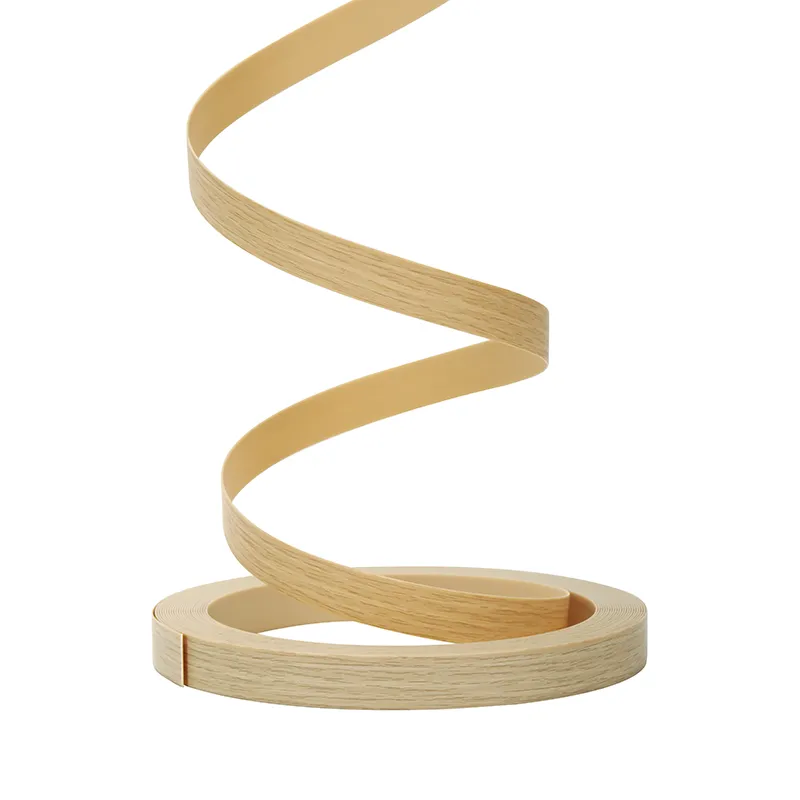
August 10, 2026
Table PVC Edge Banding Benefits for Daily Use Furniture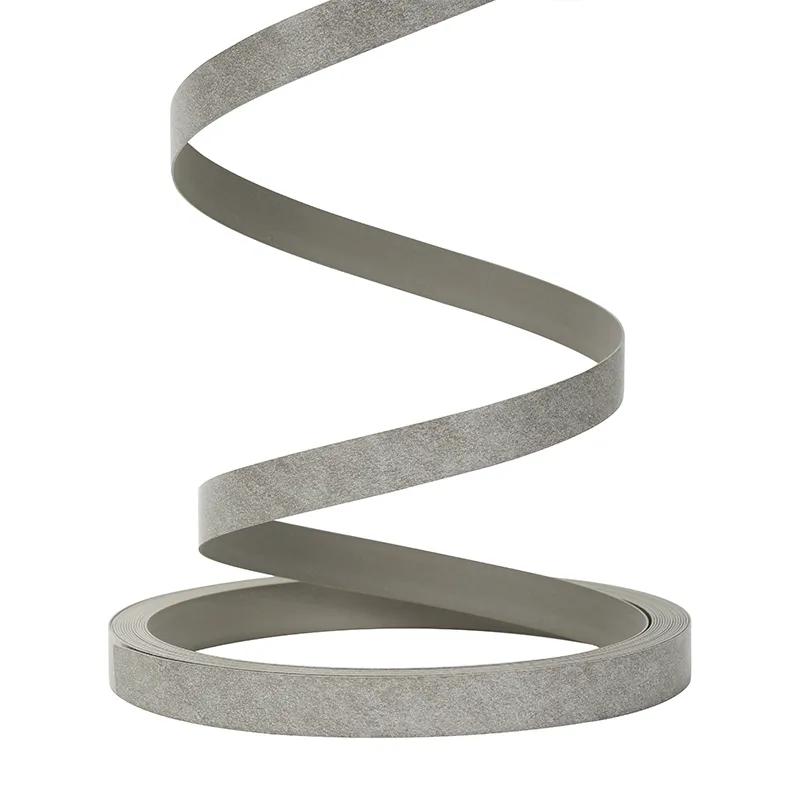
August 10, 2026
High Gloss Edge Banding vs Matte Edge Banding: What’s the Difference?
August 07, 2026
PVC Edge Banding vs Melamine Edge Banding
August 07, 2026
Tips for Processing ABS Edge Banding
August 07, 2026
PVC Door Bottom Seal Buying Guide
August 07, 2026
Cabinet PVC Edge Banding Applications in Kitchen Design