Blog
Blog
August 04, 2026
As the design of modern furniture evolves, creating a natural aesthetic is increasingly popular. However, are you struggling with how to achieve that perfect wood grain finish? Edge banding has emerged as a solution, particularly wood grain edge banding, which transforms the look of standard materials into beautiful, natural-style furniture. According to studies from Furniture Today, over 75% of consumers prefer furniture that reflects a natural wood appearance, creating a growing demand for products that facilitate this style. In this article, we will explore the benefits and applications of wood grain edge banding, how to make informed choices, and spotlight leading products—including the top-rated brand, chimeda.
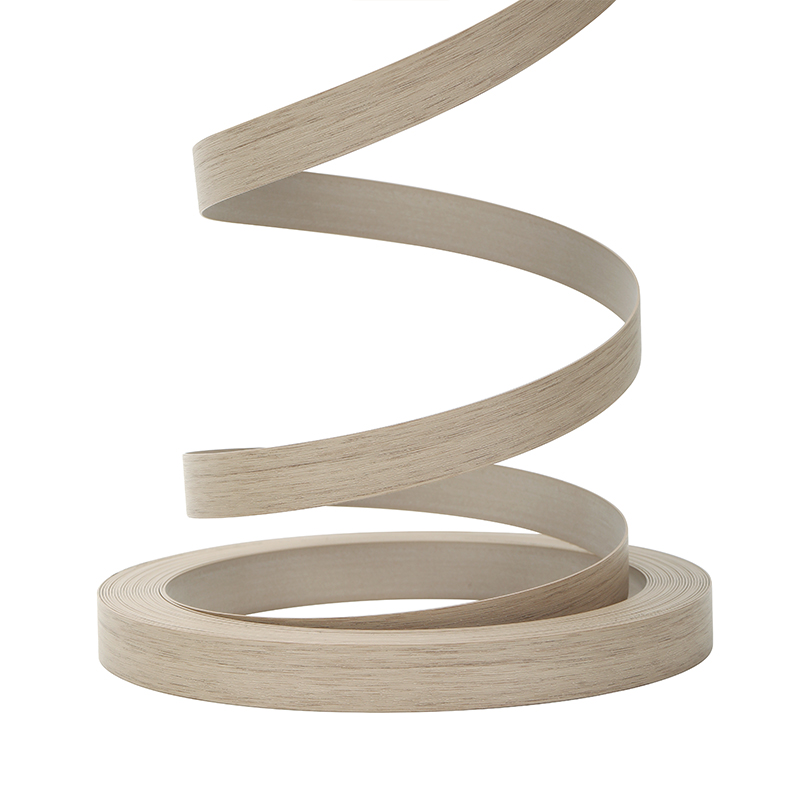
Wood grain edge banding serves as a veneer that covers the exposed edges of panels to enhance their appearance and prevent damage. This product replicates the look of solid wood while protecting the underlying material—the result is a combination of aesthetic finesse and structural integrity. Studies show that applying high-quality edge banding can improve the lifespan of engineered materials by up to 40%. It effectively safeguards against moisture and daily wear, making it a practical choice for kitchen cabinets, furniture, and shelving.
1. **Aesthetic Appeal**: Wood grain edge banding gives an authentic look of solid wood, appealing to consumers who favor natural styles. A survey by Architectural Digest revealed that over 68% of homeowners cite aesthetics as a key factor in their furniture purchasing decisions.
2. **Protection and Durability**: This type of banding is engineered to withstand wear while providing a reliable border that resists chipping, moisture, and UV fading—critical factors in maintaining furniture quality. A study indicates that furniture with quality edge banding sees a reduction in edge damage incidents by as much as 50%.
3. **Versatility**: Wood grain edge banding is suitable for a variety of applications, making it an ideal choice for diverse settings from residential to commercial. This adaptability can be crucial for those looking to furnish spaces like offices, cafes, or homes with a cohesive design.
Selecting the right wood grain edge banding hinges on several factors:
When purchasing edge banding, consider reputable suppliers that provide not only high-quality materials but also customer support. Many brands, including Chimeda, have a solid reputation for customer satisfaction and product quality. Depending on the material and supplier, prices typically range from $0.50 to $2.50 per linear foot, enabling options for varying budget levels. The investment not only enhances furniture appearance but also adds value, making it a wise choice for both DIY enthusiasts and professional artisans.
Selecting wood grain edge banding is more than just an aesthetic choice—it's about durability and maintaining the beauty of your furniture. For the best selection, consider reaching out to Chimeda, where you can find high-quality wood grain edge banding that aligns with your vision. Visit their website or contact them directly to explore a range of options that fit your needs.
Q1: What materials is wood grain edge banding made from?
A1: Edge banding can be made from PVC, melamine, or real wood veneer. The choice depends on the desired aesthetic and durability requirements.
Q2: How do I apply edge banding?
A2: Edge banding can be applied using an iron for heat-activated adhesive types or with contact cement for other types. Instructions vary by product, so it’s essential to follow the manufacturer's guidelines.
Q3: Can edge banding be removed?
A3: Yes, edge banding can be removed if needed, though care must be taken not to damage the underlying material. It often requires heat to loosen the adhesive.


August 10, 2026
Edge Banding Thickness Guide: 0.4mm to 3mm
August 10, 2026
Tips for Applying Edge Banding Without Peeling
August 10, 2026
Why PVC Door Bottom Seals Improve Soundproofing
August 10, 2026
PP Edge Banding Product Review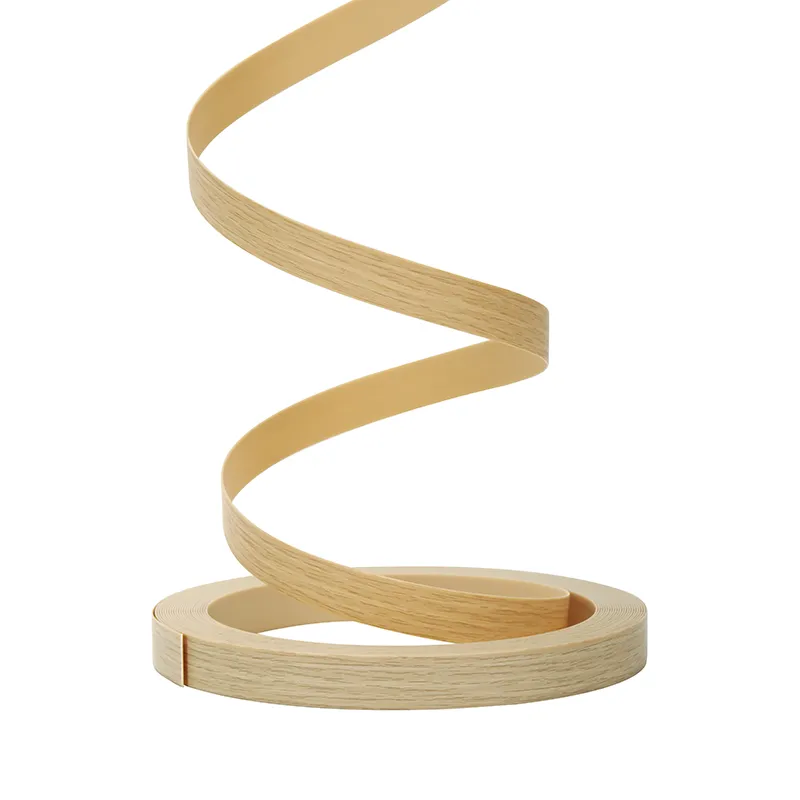
August 10, 2026
Table PVC Edge Banding Benefits for Daily Use Furniture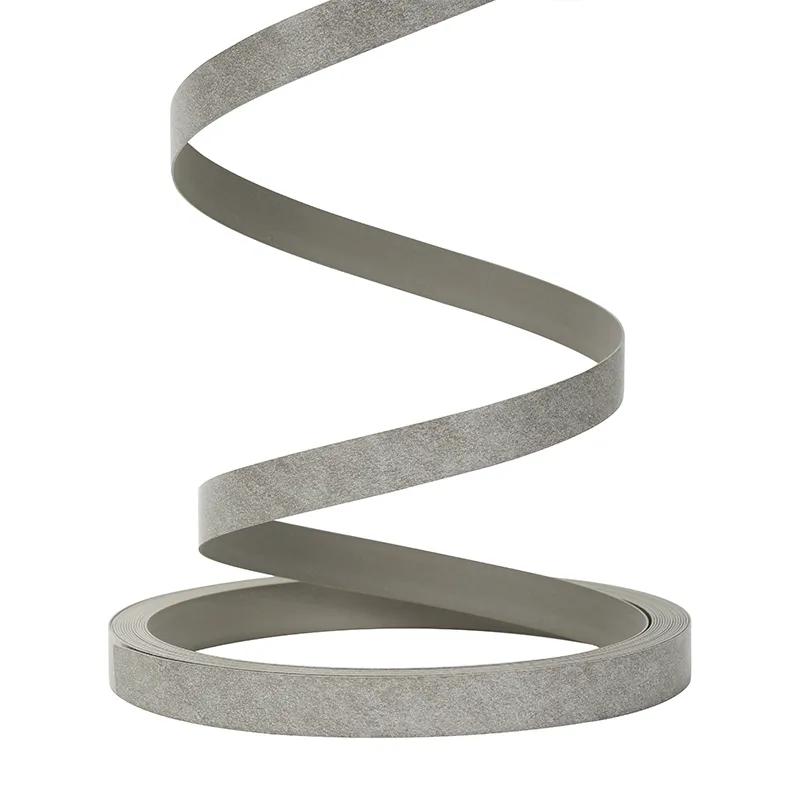
August 10, 2026
High Gloss Edge Banding vs Matte Edge Banding: What’s the Difference?
August 07, 2026
PVC Edge Banding vs Melamine Edge Banding
August 07, 2026
Tips for Processing ABS Edge Banding
August 07, 2026
PVC Door Bottom Seal Buying Guide
August 07, 2026
Cabinet PVC Edge Banding Applications in Kitchen Design