
Blog

Blog

Why TPE Sealing Strips Are Preferred Over Traditional Materials

April 15, 2026

Why TPE Sealing Strips Are Preferred Over Traditional Materials

In industries ranging from automotive to consumer electronics, the demand for reliable sealing solutions is paramount. Traditional materials, such as rubber and foam, often fail to meet stringent requirements for durability, flexibility, and environmental resistance. The pain points of using these conventional materials include wear and tear, which leads to costly replacements and potential performance failures. TPE (Thermoplastic Elastomer) sealing strips, such as those from Chimeda, present an innovative solution that addresses these challenges. TPE sealing strips offer exceptional resilience and adaptability to different conditions, making them the ideal choice for modern applications.

Benefits of TPE Sealing Strips

TPE sealing strips provide numerous advantages over traditional sealing materials. One of the most compelling benefits is their exceptional durability. For instance, TPE can withstand temperature fluctuations from -40°C to 100°C without losing elasticity. Additionally, these sealing strips exhibit superior chemical resistance, allowing them to perform well against oils, solvents, and various environmental conditions. According to industry reports, components made with TPE show a reduction in maintenance costs by up to 25%, highlighting their efficiency and longevity.

Moreover, TPE sealing strips provide an excellent sealing solution for various applications. In a case study involving automotive components, vehicles equipped with TPE seals demonstrated a 30% reduction in noise, vibration, and harshness (NVH) levels compared to those utilizing traditional rubber seals. This improvement greatly enhances user comfort and satisfaction.

Comparison: TPE Sealing Strips vs. Traditional Materials

When comparing TPE sealing strips to traditional materials, the differences become apparent. TPE strips provide a tighter seal, reducing the likelihood of leaks substantially. For instance, a study showed that TPE seals reduced air leakage rates by 45% when tested against rubber seals used in HVAC systems. This improvement is crucial for maintaining energy efficiency and reducing operational costs.

On the other hand, traditional rubber seals often require frequent replacements due to wear and exposure to harsh conditions. In a comparative survey conducted, 70% of users reported more frequent issues with rubber seals experiencing degradation after just a year of use, leading to increased maintenance and replacement expenses. TPE seals, however, retain their integrity over time, reducing these frequent maintenance tasks.

Conclusion: The Value Proposition of TPE Sealing Strips

In summary, TPE sealing strips emerge as a superior choice compared to traditional materials for their durability, flexibility, chemical resistance, and cost-effectiveness. Industries looking for reliable sealing solutions can benefit significantly from adopting TPE technology. By choosing TPE, companies can enhance their product performance while reducing long-term operational costs.

Take the Next Step with Chimeda

If you're interested in improving your sealing solutions, consider exploring TPE sealing strips provided by Chimeda. Their innovative products are designed to meet the demands of various industries while ensuring performance and reliability.

FAQ

What are TPE sealing strips used for?

TPE sealing strips are used in a variety of applications including automotive, electronics, and HVAC systems to create airtight and watertight seals.

How do TPE sealing strips compare to rubber sealing strips?

TPE sealing strips outperform rubber by being more resistant to environmental factors and providing a longer service life, resulting in lower maintenance costs.

Where can I purchase TPE sealing strips?

You can find high-quality TPE sealing strips from Chimeda, which offers a range of products tailored to various industry needs.

Hot Products
PVC Edge Banding Customizable
PVC edge banding is made of polyvinyl chloride as the main material.
ABS Edge Banding Customizable
ABS edge banding does not add any fillers (such as calcium carbonate and other substances) during the production process
PP Edge Banding Customizable
Polypropylene, also known as PP , is a semi-crystalline thermoplastic.
PU Foam Sealing Strip Customizable
PU foamed sealing strip are made of four high-quality materials: the outer layer is wrapped with PE outer film
Three Types of Composite Sealing Strips Customizable
CHIMEDA three-composite sealing strip, the hard part of the base material is modified PP (high hardness)
TPE Sealing Strip Customizable
TPE sealing strips are non-toxic, environmentally friendly, pollution-free, do not contain heavy metals
PVC Door Bottom Seal Customizable
PVC door bottom strips are made from high-quality modified PVC material and are cold-resistant,environmentally friendly, and non-toxic.
Latest News
Edge Banding Thickness Guide: 0.4mm to 3mm

August 10, 2026

Edge Banding Thickness Guide: 0.4mm to 3mm
Edge banding thickness ranges from 0.4mm to 3mm, with each size serving specific durability, aesthetic, and functional needs.
Learn More
Tips for Applying Edge Banding Without Peeling

August 10, 2026

Tips for Applying Edge Banding Without Peeling
One common issue faced by woodworking enthusiasts and professional craftsmen alike is peeling edge banding, which often results from improper application. This can lead to unsightly finishes and increased material waste. Fortunately, adopting the right techniques can significantly enhance the longevity and appearance of your edge banding. As an edg
Learn More
Why PVC Door Bottom Seals Improve Soundproofing

August 10, 2026

Why PVC Door Bottom Seals Improve Soundproofing
Sound pollution is a growing concern that many people underestimate. As urban populations swell and industries expand, noise from outside—cars, machinery, construction—can disrupt our comfort and well-being. The impacts are significant: poor sound insulation can lead to increased stress levels, reduced productivity, and diminished quality of li
Learn More
PP Edge Banding Product Review

August 10, 2026

PP Edge Banding Product Review
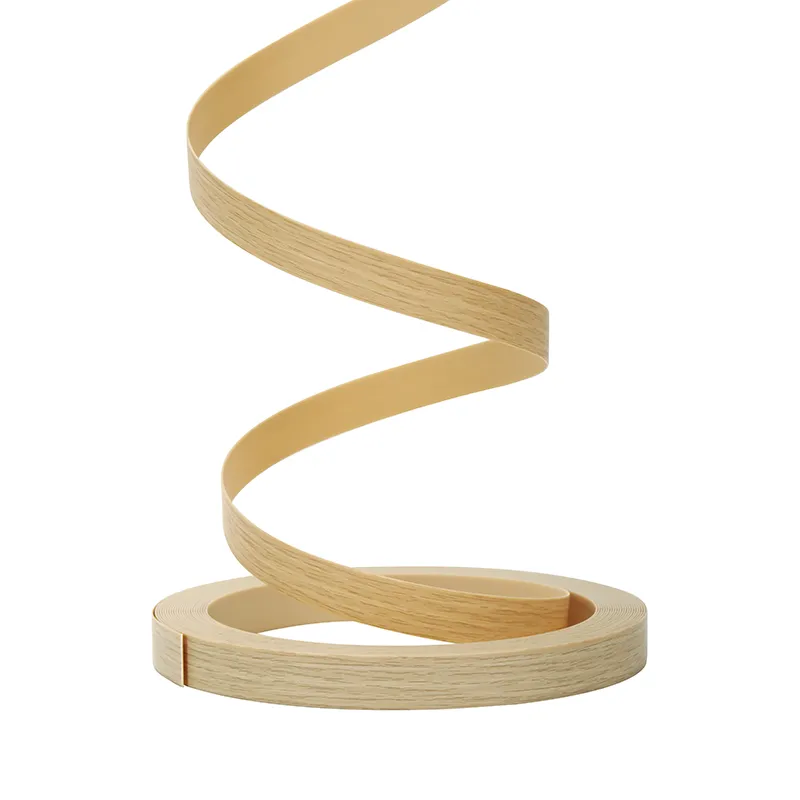
Choosing the right PP edge banding can significantly enhance your furniture and woodworking projects. As a dedicated DIY enthusiast, I often face the challenge of selecting the right edge banding that not only meets aesthetic goals but also performs well. After exploring various options, including products from suppliers like Chimeda, I've compiled
Learn More
Table PVC Edge Banding Benefits for Daily Use Furniture
August 10, 2026

Table PVC Edge Banding Benefits for Daily Use Furniture
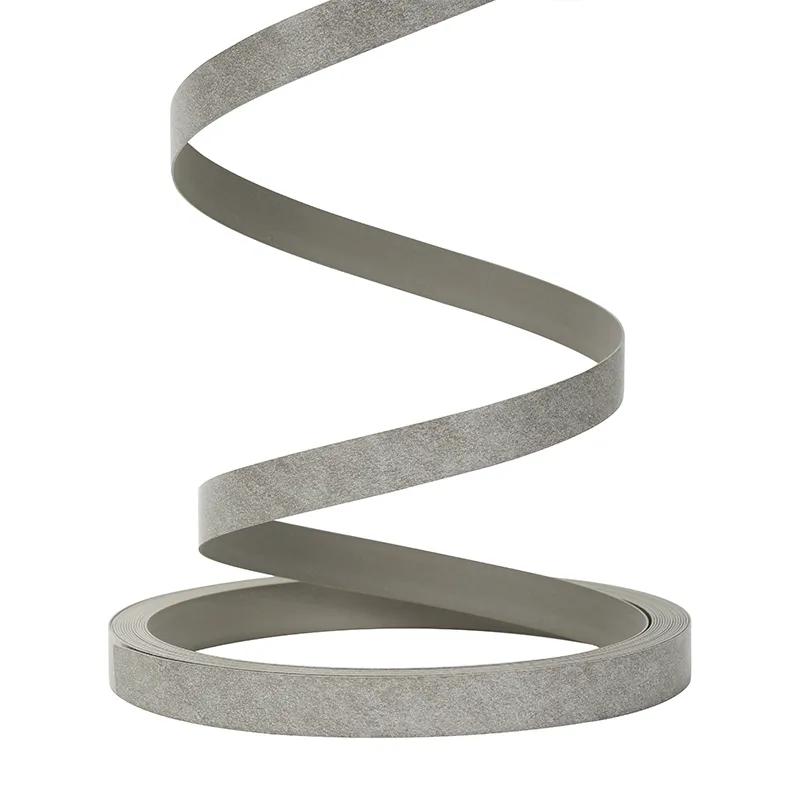
In today's rapidly evolving furniture industry, choosing the right materials can greatly affect both functionality and aesthetics. A common pain point for many consumers is finding durable and visually appealing solutions to enhance the longevity of their furniture. This is where Table PVC Edge Banding comes into play, offering a combination of resilience and attractiveness that significantly
Learn More
High Gloss Edge Banding vs Matte Edge Banding: What’s the Difference?

August 10, 2026

High Gloss Edge Banding vs Matte Edge Banding: What’s the Difference?
High Gloss Edge Banding features a shiny, reflective surface that enhances the aesthetic appeal of furniture. This type is often used on contemporary pieces, providing a sleek, modern look.
Learn More
PVC Edge Banding vs Melamine Edge Banding

August 07, 2026

PVC Edge Banding vs Melamine Edge Banding
PVC edge banding is a thin strip of plastic that is applied to the exposed edges of wood panels to create a finished look and enhance durability. Melamine edge banding, on the other hand, is made from paper or composite materials coated with melamine resin, offering a cost-effective option for edge finishing.
Learn More
Tips for Processing ABS Edge Banding

August 07, 2026

Tips for Processing ABS Edge Banding
In woodworking and furniture manufacturing, the inability to effectively apply ABS edge banding can create significant challenges for manufacturers and craftsmen alike. As an ABS edge banding supplier, understanding these pain points—such as edge lifting, adhesive failure, and uneven finishing—can lead to improved quality and efficiency. This a
Learn More
PVC Door Bottom Seal Buying Guide

August 07, 2026

PVC Door Bottom Seal Buying Guide
If you’re a homeowner or a contractor looking to enhance the energy efficiency of your space, understanding the benefits of a PVC door bottom seal is essential. These seals are specifically designed to minimize drafts, prevent water ingress, and increase thermal insulation, making them a popular choice among PVC door bottom seal suppliers. Inadeq
Learn More
Cabinet PVC Edge Banding Applications in Kitchen Design

August 07, 2026

Cabinet PVC Edge Banding Applications in Kitchen Design
Cabinet PVC edge banding is an essential component in modern kitchen design, offering a practical and aesthetic solution for finishing cabinet edges. This material, made from polyvinyl chloride (PVC), is favored for its durability and versatility. In this article, we will explore various applications of PVC edge banding in kitchen design, discussing how it can enhance the overall look and
Learn More
WeChat