Blog
Blog
August 20, 2026
Window insulation and sealing challenges often lead homeowners to seek effective solutions, but traditional sealing methods may fall short. For instance, outdated materials can allow drafts, moisture, and noise to infiltrate homes, compromising comfort and energy efficiency. As a TPE sealing strip supplier, our role is to address these pain points, providing streamlined solutions through TPE dynamic performance. A common scenario involves homeowners suffering from high energy bills due to inefficient sealing, leading to a great demand for upgraded solutions that ensure durability and performance.
The advantages of TPE (Thermoplastic Elastomer) sealing strips go beyond just basic insulation; they significantly enhance energy efficiency and structural integrity. According to recent research, the adoption of TPE sealing solutions can lead to a remarkable reduction in energy consumption, with some users reporting savings of up to 30% on heating and cooling costs. TPE strips are designed to withstand extreme temperatures and humidity, maintaining their properties even under varying climate conditions. For instance, laboratory tests have shown that TPE sealing strips retain flexibility between -40°C and 80°C, presenting an impressive operational range. Additionally, they have shown to be exceptionally resilient, with tensile strength measurements averaging around 7.0 MPa, outclassing traditional rubber solutions.
In a practical case study, a residential building retrofitted with TPE sealing strips experienced a 40% decrease in noise infiltration from the outside, making a significant impact on residents’ comfort levels. Such data-driven outcomes emphasize that innovation in window sealing technology is vital for meeting modern living standards.
When comparing TPE sealing strips to traditional sealing materials, the differences become evidently clear. Traditional materials often crack or crumble after a short period, while TPE sealing strips maintain integrity over the long term. For example, a comparative analysis shows that TPE sealing strips have a life expectancy of over a decade, whereas standard foam strips typically need replacement every 3-5 years, leading to substantial long-term savings in cost and time. Additionally, TPE sealing strips are more environmentally friendly, being free from harmful substances often found in other sealing materials.
The use of TPE sealing strips also aligns with sustainable construction practices. These strips can be recycled, contributing to the effort of reducing landfill waste. Furthermore, their low VOC (Volatile Organic Compounds) emissions make them an optimal choice for indoor air quality, particularly in homes with children and pets.
In summary, TPE sealing strips present a robust solution to common window sealing challenges, offering substantial benefits in energy efficiency, durability, and environmental impact. By choosing TPE, users not only enhance the comfort of their homes but also ensure long-lasting seals that effectively combat drafts and external nuisances. Brands like chimeda lead the market with superior-grade TPE sealing strips, combining innovation with practicality to provide unmatched sealing performance.
If you’re interested in learning more about how TPE sealing strips can enhance your home’s insulation and energy efficiency, we invite you to explore the product options offered by chimeda. Experience the difference quality sealing solutions can make.
TPE sealing strips typically last over a decade, whereas traditional sealing options may require replacement every 3-5 years.
Yes, TPE sealing strips can lead to energy savings of up to 30%, decreasing heating and cooling costs over time.
TPE sealing strips are recyclable and have low VOC emissions, making them beneficial for both indoor air quality and reducing landfill waste.


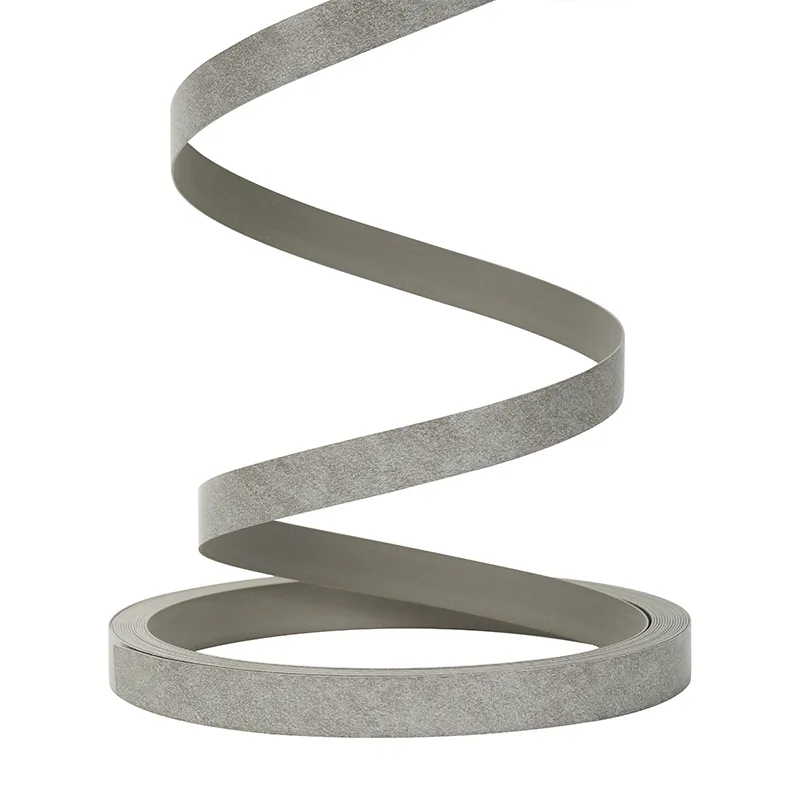
September 21, 2026
How to Apply PP Edge Banding for a Professional Finish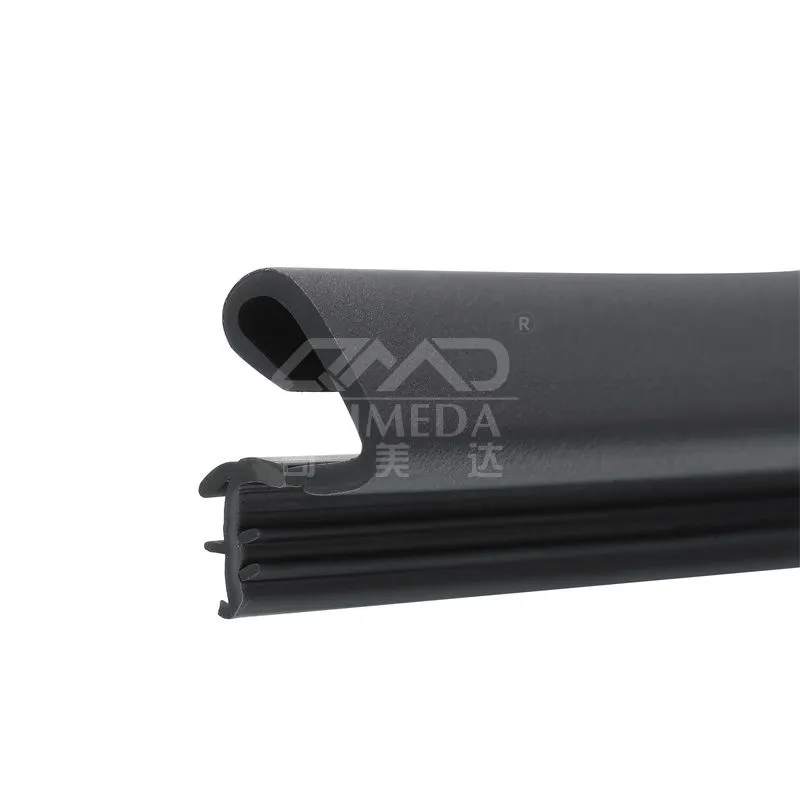
September 21, 2026
TPE Sealing Strips vs PVC Door Bottom Seal: Key Differences Explained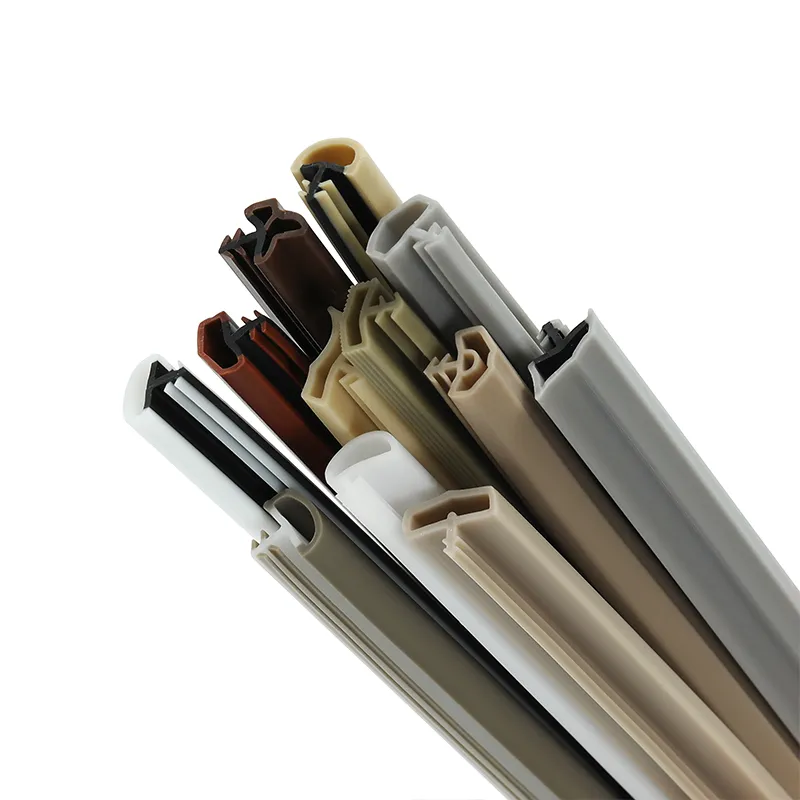
September 17, 2026
Can pu foam sealant be used for sealing around ducts?August 31, 2026
PP Edge Banding vs ABS Edge BandingAugust 28, 2026
Top PP Edge Banding Applications in FurnitureAugust 27, 2026
Top Features to Look for in Edge Banding ProductsAugust 26, 2026
Top PVC Edge Banding Colors for Modern FurnitureAugust 25, 2026
Edge Banding Quality Review for Furniture BuyersAugust 24, 2026
TPE Sealing Strip vs PVC Sealing StripAugust 24, 2026
Top PVC Edge Banding Design Trends