Blog
Blog
December 31, 2025
In the competitive world of mass furniture production, manufacturers face numerous pain points such as maintaining quality, enhancing durability, and ensuring cost-effectiveness. One such solution that addresses these challenges is PVC edge banding. This material not only ensures a polished finish but also significantly reduces manufacturing costs and time. With the growing demand for aesthetically pleasing yet durable furniture solutions, PVC edge banding continues to thrive, becoming the go-to choice for manufacturers looking to optimize their production processes.
PVC (Polyvinyl Chloride) edge banding is known for its numerous advantages in furniture production. According to industry reports, the use of PVC edge banding increases furniture durability by up to 30%, providing resistance against water, heat, and daily wear and tear. Manufacturers report a 25% reduction in the time taken to finish edges compared to traditional methods, resulting in faster production cycles. Moreover, PVC edge banding offers superior flexibility and versatility, allowing it to be used on a range of substrates, which means less inventory and varied production capabilities.
In terms of economics, the implementation of PVC edge banding translates to a 20% decrease in material costs. This reduction is primarily due to the material\'s lightweight nature, which simplifies transportation and reduces shipping expenses. Furthermore, as reported by chimeda, adopting advanced edge banding techniques increases overall production efficiency, ultimately leading to enhanced profit margins for manufacturers.
Several case studies underline the effectiveness of PVC edge banding. For instance, leading furniture brands have reported enhancements in customer satisfaction by over 40% due to the high-quality finish provided by PVC edge banding. This not only drives sales but also fosters brand loyalty, as consumers appreciate well-finished, durable products that withstand everyday use.
When comparing PVC edge banding to traditional edging methods, the differences in durability and cost become apparent. Taking “Wood Veneer” vs. PVC edge banding as an example, manufacturers often face issues with chipping and requires more maintenance with wood veneer that can lead to additional repair costs. PVC edge banding, on the other hand, consistently shows a reduction of 15% in repair costs, leading to more sustainable production practices. It clearly outshines traditional methods in providing versatility, aesthetic appeal, and longevity.
The ongoing popularity of PVC edge banding in mass furniture production is attributable to its measurable benefits, such as enhanced durability, reduced production time, and lower costs. Firms that incorporate PVC edge banding into their manufacturing processes are not only meeting consumer demands for quality and aesthetics but also significantly improving their operational efficiency.
If you\'re looking to further understand the advantages of PVC edge banding or wish to trial the latest products from chimeda, consider further inquiries or firsthand experience with the material that’s revolutionizing the furniture production landscape.
PVC edge banding is primarily composed of polyvinyl chloride, a durable plastic that is resistant to moisture, heat, and abrasion, making it ideal for furniture applications.
PVC edge banding provides superior durability, cost-effectiveness, and aesthetic versatility compared to traditional materials like wood veneer, reducing potential repair costs and enhancing overall product longevity.
By reducing waste and lower resources required for maintenance and repairs, PVC edge banding promotes more sustainable manufacturing processes in the furniture industry.


August 10, 2026
Edge Banding Thickness Guide: 0.4mm to 3mm
August 10, 2026
Tips for Applying Edge Banding Without Peeling
August 10, 2026
Why PVC Door Bottom Seals Improve Soundproofing
August 10, 2026
PP Edge Banding Product Review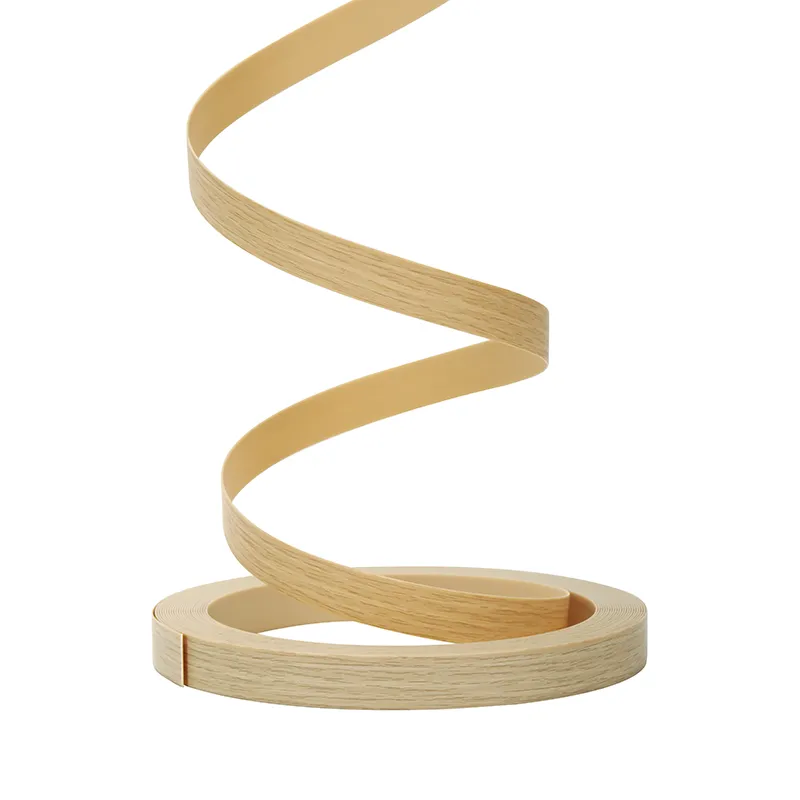
August 10, 2026
Table PVC Edge Banding Benefits for Daily Use Furniture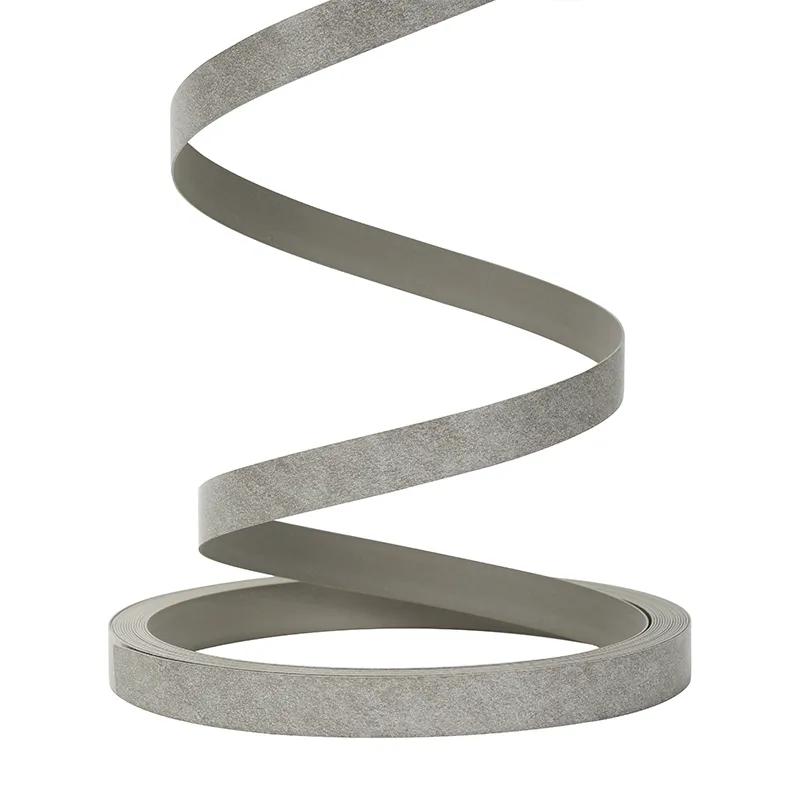
August 10, 2026
High Gloss Edge Banding vs Matte Edge Banding: What’s the Difference?
August 07, 2026
PVC Edge Banding vs Melamine Edge Banding
August 07, 2026
Tips for Processing ABS Edge Banding
August 07, 2026
PVC Door Bottom Seal Buying Guide
August 07, 2026
Cabinet PVC Edge Banding Applications in Kitchen Design