Blog
Blog
April 06, 2026
In the competitive landscape of cabinetry and furniture production, edges often become the first line of critique. Cabinet edges that are poorly finished or exposed can lead to a range of issues from aesthetic concerns to practical challenges. Clients today are more discerning than ever, demanding not only quality but also durability in materials. The visible sides of cabinets are under increasing scrutiny, and the demand for perfection creates a pressing need for solutions that ensure longevity and visual appeal. Ignoring edge finishing in cabinet design can lead to compromised structural integrity and increased costs for replacements or repairs down the line. Consequently, the choice of edge banding material becomes crucial, making PVC edge banding an indispensable option.
The main causes of these concerns stem from various factors, including material wear, environmental influences, and aesthetic degradation. Subpar edge finishes can result in peeling, chipping, and moisture absorption, conditions that are especially detrimental in kitchen or bathroom cabinetry where humidity levels fluctuate. PVC edge banding serves as a barrier against these detrimental elements, effectively protecting wood substrates from environmental hazards. Furthermore, the customization afforded by PVC allows for a seamless visual transition that enhances the overall design of the cabinet, appealing to brands and manufacturers looking for quality and versatility.
From a business standpoint, the impact of neglecting edge quality is significant. A cabinet manufacturer not only risks damage to their reputation but also faces financial repercussions. For instance, brands that utilize inferior edge banding may encounter increased warranty claims, returns, and customer dissatisfaction. In contrast, firms that leverage superior solutions like PVC edge banding often see a boost in consumer trust and brand loyalty. A survey revealed that 78% of consumers consider the quality of materials used in cabinetry as a critical factor in their purchasing decisions.
To illustrate the importance of quality, consider a case study from a popular cabinetry company, which reported a 25% reduction in returns after transitioning to PVC edge banding. By implementing stringent quality control measures—ensuring precision to 0.01mm, with 100% inspection of all products—the company experienced an improvement in finish quality and customer satisfaction, reaffirming that the investment in high-grade edge banding pays dividends in operational efficiency.
Neglecting edge banding standards carries inherent risks. The consequences of failing to use high-quality materials can range from visible defects to serious structural failures. As lifestyles and business interests evolve—particularly with an increase in customizable and high-end cabinetry options—the need for durable and attractive edge solutions becomes even more pressing. As we transition into a market that emphasizes sustainability and longevity, manufacturers relying on inferior edge treatments may find themselves at an impasse, struggling to meet modern consumer expectations.
In summary, understanding the critical role of PVC edge banding is essential for anyone involved in the cabinetry industry. The aesthetic and structural integrity afforded by quality edge banding directly correlates with customer satisfaction and business viability. I encourage you to explore the long-standing advantages of PVC edge banding in your projects. Visit chimeda to uncover further information and images showcasing its transformative impact on cabinet design: chimeda.com/data/watermark/main/20260121/697045155cb93.jpg">Chimeda Edge Banding. Transform your cabinetry offerings with robust, stylish, and reliable solutions that meet the evolving demands of the market.


August 10, 2026
Edge Banding Thickness Guide: 0.4mm to 3mm
August 10, 2026
Tips for Applying Edge Banding Without Peeling
August 10, 2026
Why PVC Door Bottom Seals Improve Soundproofing
August 10, 2026
PP Edge Banding Product Review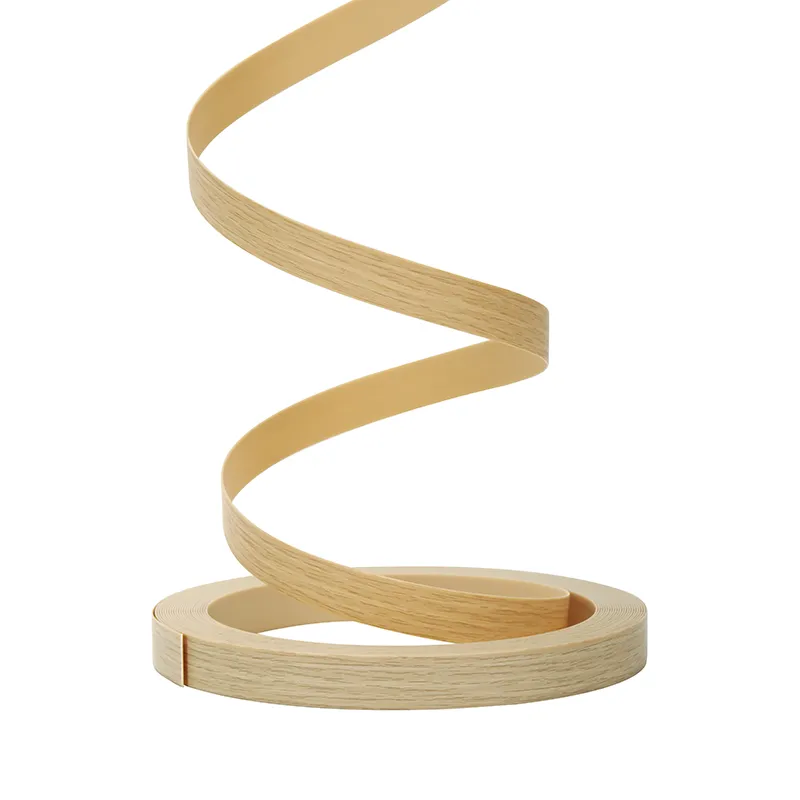
August 10, 2026
Table PVC Edge Banding Benefits for Daily Use Furniture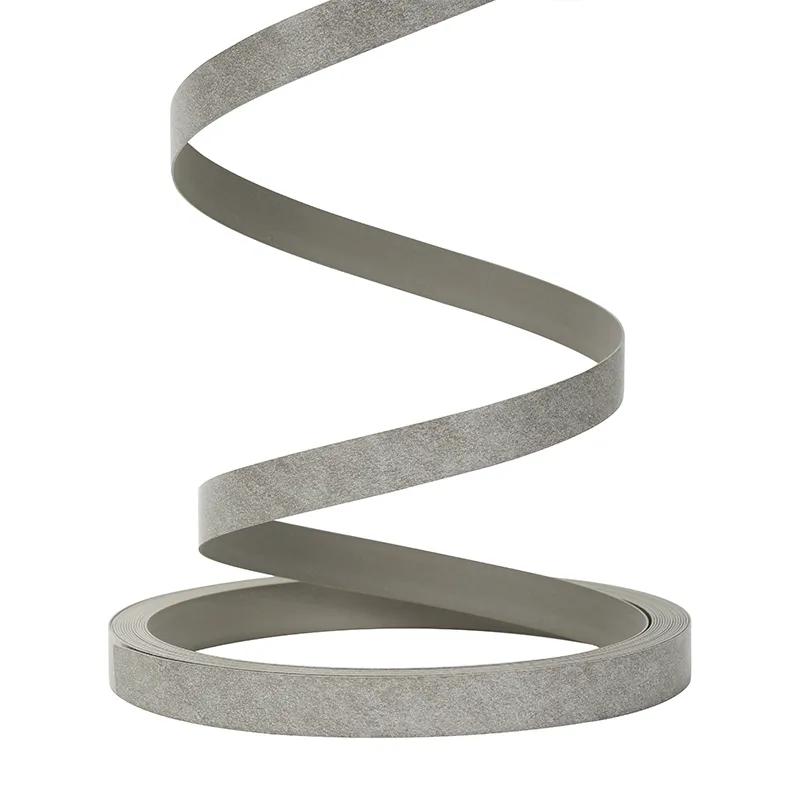
August 10, 2026
High Gloss Edge Banding vs Matte Edge Banding: What’s the Difference?
August 07, 2026
PVC Edge Banding vs Melamine Edge Banding
August 07, 2026
Tips for Processing ABS Edge Banding
August 07, 2026
PVC Door Bottom Seal Buying Guide
August 07, 2026
Cabinet PVC Edge Banding Applications in Kitchen Design