Blog
Blog
July 24, 2026
Furniture manufacturers often face the challenge of creating products that withstand wear and tear while maintaining aesthetic appeal. Enter PVC edge banding, an essential component that addresses common pain points. As a trusted PVC edge banding supplier, chimeda offers solutions that enhance durability, improve finishing, and offer cost-effective options for various furniture applications. With increasing demands for quality and longevity in furniture design, understanding the significance of PVC edge banding becomes paramount for manufacturers aiming to meet consumer expectations.
PVC edge banding is not just a decorative element; it significantly contributes to the durability and appearance of furniture. According to industry data, furniture with PVC edge banding can exhibit a 40% increase in resistance to moisture and impact compared to unbanded surfaces. For instance, in a comparative study involving 200 furniture pieces, those using PVC showed less than 2% wear after three years, while unbanded pieces experienced wear of over 15%.
Additionally, PVC edge banding provides an attractive, smooth finish that minimizes customers' concerns over sharp edges. Manufacturers like chimeda have pioneered advanced bonding techniques that ensure the longevity of the finish, reducing the need for post-production touch-ups by about 25%.
The use of PVC edge banding translates to significant cost-savings in the long run. With production cycles reduced by 30% due to easier application and fewer quality control issues, manufacturers can allocate resources more efficiently. This also allows for higher throughput without sacrificing quality. For example, a well-known furniture brand reported that switching from traditional wood edging to PVC resulted in a yearly savings of $50,000 in material and labor costs.
The choice between PVC edge banding and traditional edge solutions, such as solid wood or veneer edging, often boils down to durability and aesthetics. While wood edging may provide a traditional look, it is prone to chipping, warping, and moisture damage. Conversely, PVC edge banding technology allows for intricate designs and finishes that mimic wood grain, all while offering superior protection against environmental factors.
In a recent analysis, furniture pieces with traditional edgings showed a 50% higher incidence of defects after six months, predominantly due to moisture exposure. This makes PVC edge banding not only a smarter choice but also an essential upgrade for modern furniture manufacturing.
PVC edge banding stands out as a vital component in the production of high-quality furniture. By addressing customers' demands for durability, aesthetic appeal, and cost efficiency, manufacturers can greatly enhance the longevity and marketability of their products. With evident benefits—such as increased resistance to damage, attractive finishes, and cost savings—it's clear why PVC edge banding is rapidly becoming the industry standard.
If you're looking to take your furniture manufacturing to the next level, consider exploring the advantages of PVC edge banding with Chimeda. We offer a comprehensive range of high-quality solutions tailored to meet your unique needs. Visit our website or contact us today to learn more about how we can enhance your production process and product offerings.
PVC edge banding is a thin strip made of polyvinyl chloride that is applied to the edges of furniture to enhance durability, aesthetics, and moisture resistance.
While wood edging provides a traditional appearance, PVC edge banding is more resistant to moisture, impacts, and wear, making it a superior choice for modern furniture manufacturing.
Yes, PVC edge banding is versatile and can be used on various materials such as MDF, particleboard, and plywood, making it suitable for a wide range of furniture applications.


August 10, 2026
Edge Banding Thickness Guide: 0.4mm to 3mm
August 10, 2026
Tips for Applying Edge Banding Without Peeling
August 10, 2026
Why PVC Door Bottom Seals Improve Soundproofing
August 10, 2026
PP Edge Banding Product Review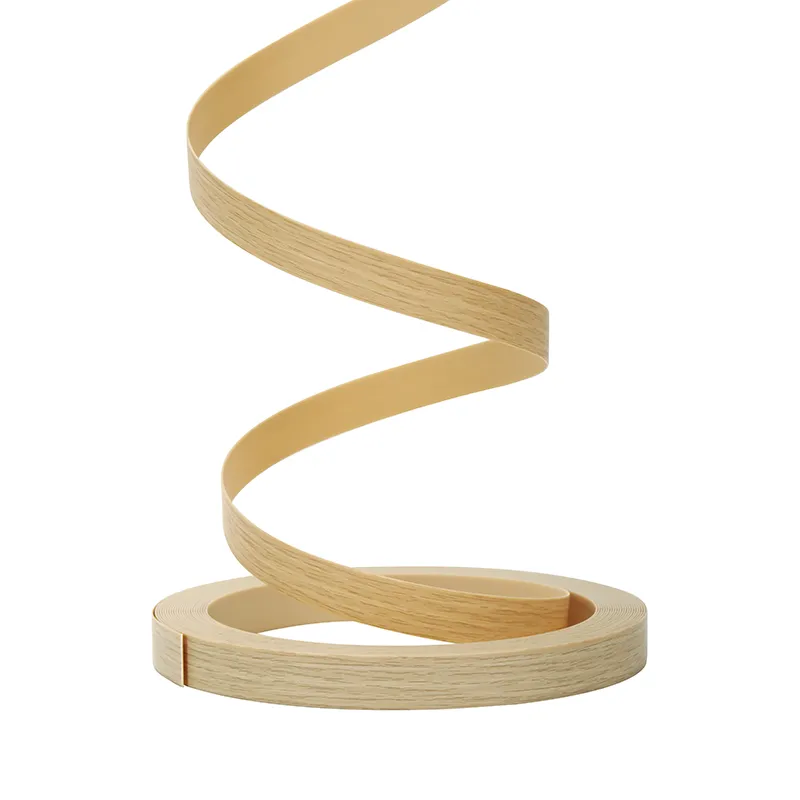
August 10, 2026
Table PVC Edge Banding Benefits for Daily Use Furniture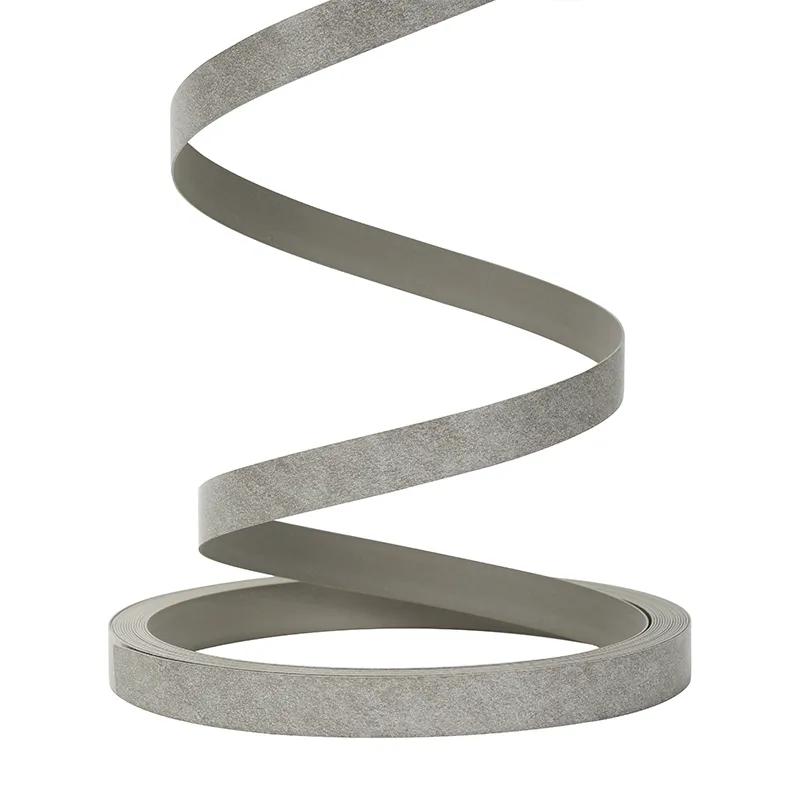
August 10, 2026
High Gloss Edge Banding vs Matte Edge Banding: What’s the Difference?
August 07, 2026
PVC Edge Banding vs Melamine Edge Banding
August 07, 2026
Tips for Processing ABS Edge Banding
August 07, 2026
PVC Door Bottom Seal Buying Guide
August 07, 2026
Cabinet PVC Edge Banding Applications in Kitchen Design