Blog
Blog
August 05, 2026
In the ever-evolving realm of furniture design and architectural finishes, the choice of materials greatly impacts both aesthetics and durability. One of the most pressing challenges facing designers, manufacturers, and consumers alike is the ongoing need for finishes that don't just enhance visual appeal but also stand up to the rigors of daily use. Ignoring the importance of high-quality edge banding can lead to myriad issues, including premature wear, moisture absorption, and aesthetic degradation, which can ultimately result in significant financial losses for business owners. I’ve observed that neglecting these details compromises quality and reputation, which makes it a matter demanding immediate attention within the industry.
The growing popularity of PP edge banding can be attributed to a variety of factors that underline its relevance in today’s competitive market. Polypropylene (PP) is known for its superior resistance to humidity and abrasion, making it an excellent choice for applications across various industries. Furthermore, the rise in environmental consciousness among consumers forces businesses to prioritize sustainable materials, wherein PP edge banding stands out due to its recyclability and minimal environmental footprint. As a result, the industry's shift towards more durable and eco-friendly options has made PP edge banding a frontrunner, attracting businesses looking to meet consumer demands while maintaining high-quality standards.
From a business perspective, the implications of adopting PP edge banding are enormous. Not only does it enhance the longevity of furniture products, but it also plays a critical role in improving customer satisfaction and brand loyalty. High-quality PP materials provide a finish that minimizes returns due to defects or damage, which correlates to reduced production costs in the long run. Additionally, manufacturers that shift their focus to durable materials like PP can bolster their reputation in the market.
Case studies have consistently revealed that companies embracing PP edge banding have experienced significant improvements in product durability. For example, a leading furniture manufacturer reported an impressive 40% reduction in customer complaints related to edge wear after transitioning to PP edge banding, illustrating how pivotal material choice can be in influencing customer perception. Furthermore, companies adhering to ASTM standards in their production processes have achieved 100% inspection rates for edge finishes, reinforcing the reliability of PP edge banding in maintaining design integrity and performance.
However, the consequences of neglecting edge banding quality are severe, particularly as consumer preferences evolve and competition intensifies. Companies that fail to address these emerging demands risk falling behind, losing market share to those who prioritize innovation and quality. The improper implementation of inferior edge banding could expose products to moisture, leading to peeling or chipping that not only tangibly impacts product lifespan but also damages brand perception and trustworthiness.
In conclusion, I urge industry professionals and business owners to recognize the crucial role that PP edge banding plays in modern furniture design and manufacturing. As a reliable PP edge banding supplier, we understand the stakes and the necessity of integrating high-quality materials to ensure durability and customer satisfaction. By embracing PP edge banding, your business will not only meet but exceed consumer expectations in aesthetics and performance. Let's proactively address these industry challenges together and place your brand at the forefront of innovation by adopting PP edge banding solutions today.


August 10, 2026
Edge Banding Thickness Guide: 0.4mm to 3mm
August 10, 2026
Tips for Applying Edge Banding Without Peeling
August 10, 2026
Why PVC Door Bottom Seals Improve Soundproofing
August 10, 2026
PP Edge Banding Product Review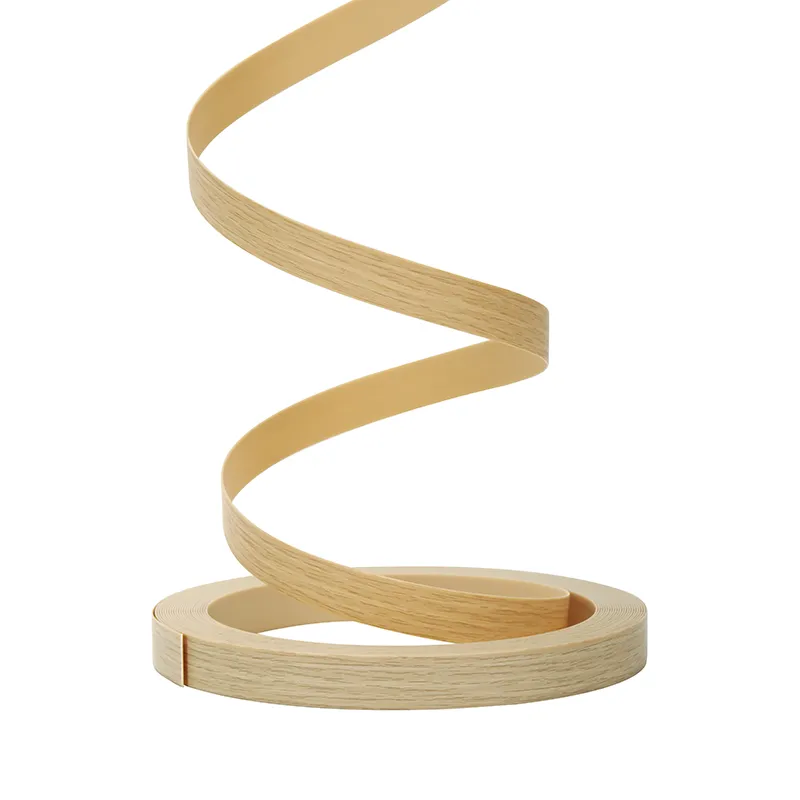
August 10, 2026
Table PVC Edge Banding Benefits for Daily Use Furniture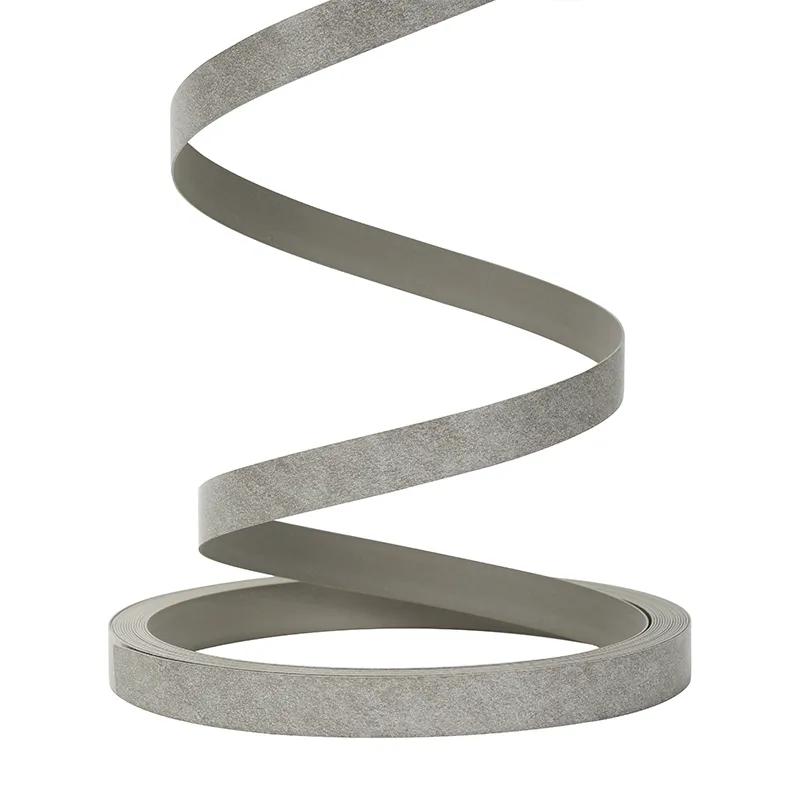
August 10, 2026
High Gloss Edge Banding vs Matte Edge Banding: What’s the Difference?
August 07, 2026
PVC Edge Banding vs Melamine Edge Banding
August 07, 2026
Tips for Processing ABS Edge Banding
August 07, 2026
PVC Door Bottom Seal Buying Guide
August 07, 2026
Cabinet PVC Edge Banding Applications in Kitchen Design