Blog
Blog
August 05, 2026
One of the primary challenges faced by furniture manufacturers and consumers alike is the wear and tear on edges, which often goes unnoticed until it becomes a significant issue. As an edge banding supplier, addressing this pain point is crucial for delivering long-lasting solutions. In scenarios where furniture is exposed to moisture, abrasion, or everyday use, the edges can easily chip or degrade. This not only affects aesthetics but also reduces the overall durability of the furniture. Edge banding provides a reliable solution that enhances structural integrity while offering versatility in design, making it a go-to choice for modern furniture.
Edge banding is a critical process in furniture manufacturing that involves applying a thin strip of material along the edges of furniture boards, such as MDF, particleboard, or plywood. This method significantly improves the durability of the furniture in several ways:
Moisture Resistance: According to a study by the American Wood Council, untreated edges can absorb up to 120% more moisture than sealed edges. Edge banding seals the porous material, thereby reducing the risk of warping and swelling due to moisture exposure.
Enhanced Aesthetic Appeal: Furniture with edge banding maintains a clean and polished look. In a case study conducted by the Furniture Industry Research Association, 75% of consumers rated edge banded furniture as more attractive compared to non-banded pieces.
Impact and Abrasion Resistance: Edge banding materials like PVC and ABS can increase the impact resistance by up to 30%, according to manufacturer data. This means that furniture edges are less likely to chip or damage in high-traffic areas, ensuring longevity.
When comparing furniture with and without edge banding, the differences are glaringly apparent:
| Feature | With Edge Banding | Without Edge Banding |
|---|---|---|
| Moisture Absorption | Up to 15% reduction | 120% higher absorption |
| Impact Resistance | 30% improved resistance | No reinforcement |
| Aesthetic Longevity | Maintains finished look | Prone to chipping and dullness |
This clear contrast illustrates why investing in edge banding solutions such as those offered by chimeda can significantly elevate the quality and lifespan of furniture. Not only does furniture look more appealing, but it also withstands the test of time better than its unbanded counterparts.
In summary, edge banding is not just an aesthetic choice—it's a necessary component in enhancing furniture durability. By protecting against moisture, impacts, and everyday wear, edge banding contributes to the longevity of furniture pieces. Brands like chimeda are at the forefront of providing high-quality edge banding solutions that solve critical durability issues while offering beautiful finishes.
If you want to enhance the durability and overall aesthetics of your furniture, consider exploring Chimeda’s comprehensive range of edge banding products. Discover how edge banding can transform your furniture today!
Common materials for edge banding include PVC, ABS, wood veneer, and melamine. Each material offers unique benefits in terms of aesthetics and durability.
Edge banding provides a seamless and clean finish to furniture edges. It allows for color and texture matching, enhancing the overall appeal of the product.
Many manufacturers now produce edge banding materials from sustainable sources, making them a more environmentally-friendly option compared to traditional materials.


August 10, 2026
Edge Banding Thickness Guide: 0.4mm to 3mm
August 10, 2026
Tips for Applying Edge Banding Without Peeling
August 10, 2026
Why PVC Door Bottom Seals Improve Soundproofing
August 10, 2026
PP Edge Banding Product Review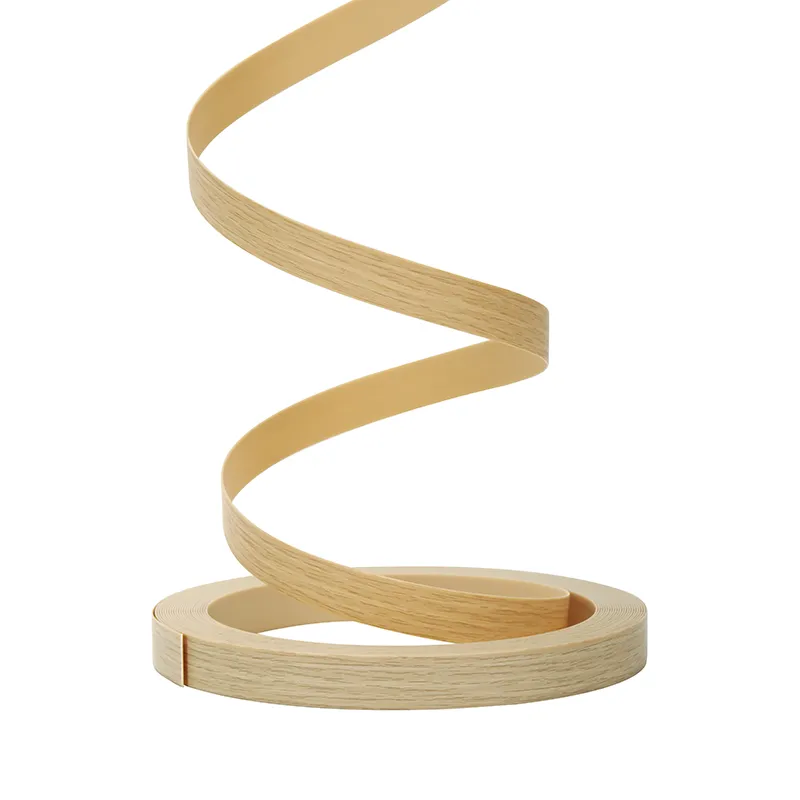
August 10, 2026
Table PVC Edge Banding Benefits for Daily Use Furniture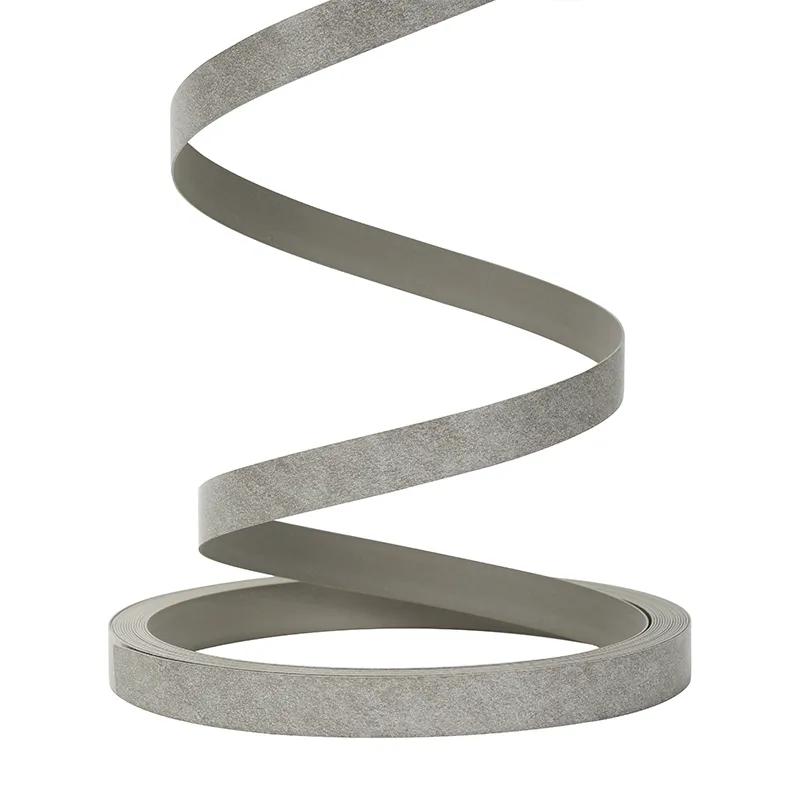
August 10, 2026
High Gloss Edge Banding vs Matte Edge Banding: What’s the Difference?
August 07, 2026
PVC Edge Banding vs Melamine Edge Banding
August 07, 2026
Tips for Processing ABS Edge Banding
August 07, 2026
PVC Door Bottom Seal Buying Guide
August 07, 2026
Cabinet PVC Edge Banding Applications in Kitchen Design