Blog
Blog
March 25, 2026
Creating furniture that combines durability with aesthetic appeal can be a complex challenge. Many craftsmen struggle with achieving clean edges that resist wear and tear, leading to costly repairs and unhappy customers. The solution lies in using PP (Polypropylene) edge banding. This innovative material not only enhances the appearance of finished surfaces but also addresses pain points such as susceptibility to chipping, moisture resistance, and ease of application. Picture a furniture piece that looks magnificent and lasts longer—this is achievable with the right edge banding.
PP edge banding offers numerous benefits that make it an excellent choice for both DIY enthusiasts and professional carpenters. One significant advantage is its high impact resistance, which can withstand pressure and daily wear. According to studies, PP edge banding can increase the lifespan of furniture edges by up to 50%, compared to untreated wood. Additionally, its moisture resistance is crucial; it remains intact under humidity levels of 80% without delaminating, making it ideal for kitchens and bathrooms.
Not only does PP edge banding enhance durability, but it also serves as a cost-effective solution overall. By avoiding chipping and requiring less frequent repairs, users can save up to 30% on maintenance costs when compared to traditional wood edges. Furthermore, with a range of colors and textures available, PP edge banding allows for versatile design choices that can complement any interior. Several brands, such as Chimeda, provide a comprehensive selection that meets both functional and aesthetic requirements.
When considering edge treatments, comparing PP edge banding with traditional methods highlights several advantages. For example, traditional wood edging may require frequent sanding and can chip easily, while PP edge banding minimizes these maintenance needs. In practical terms, furniture using PP edge banding is less likely to show wear over time, demonstrating a longer lifecycle. When looking at durability metrics, furniture edges with PP banding withstand impacts over 200 J, while traditional edges typically show damage at above 100 J.
Numerous studies and case analyses corroborate the effectiveness of PP edge banding. A case from a leading furniture manufacturer showcased their shift to PP edge banding, resulting in a 45% reduction in returns due to edge damage. This not only improved customer satisfaction but also boosted their profit margins significantly. Such real-world applications provide convincing evidence that opting for PP edge banding is a proactive step toward enhancing furniture quality.
In conclusion, choosing PP edge banding for your furniture projects delivers substantial benefits: enhanced durability, aesthetic appeal, and cost savings. Particularly for environments requiring high moisture resistance and frequent usage, PP edge banding becomes the optimal choice. Its versatility in design and proven performance positions it favorably against traditional edge treatments. To elevate your furniture creations, consider integrating PP edge banding solutions from trusted sources like Chimeda.
For those seeking further understanding or trial use of PP edge banding, we encourage you to visit Chimeda today. Dive into a world of robust and stylish solutions that can redefine your furniture projects!
PP edge banding is a thin strip of polypropylene used to cover the exposed edges of furniture materials, providing durability and a polished look.
This banding can be applied using various methods, such as adhesive application or using a hot-melt glue edge bander for seamless finishes.
Absolutely! PP edge banding is moisture-resistant and can be successfully used in humid environments such as kitchens and bathrooms without the risk of delamination.


August 10, 2026
Edge Banding Thickness Guide: 0.4mm to 3mm
August 10, 2026
Tips for Applying Edge Banding Without Peeling
August 10, 2026
Why PVC Door Bottom Seals Improve Soundproofing
August 10, 2026
PP Edge Banding Product Review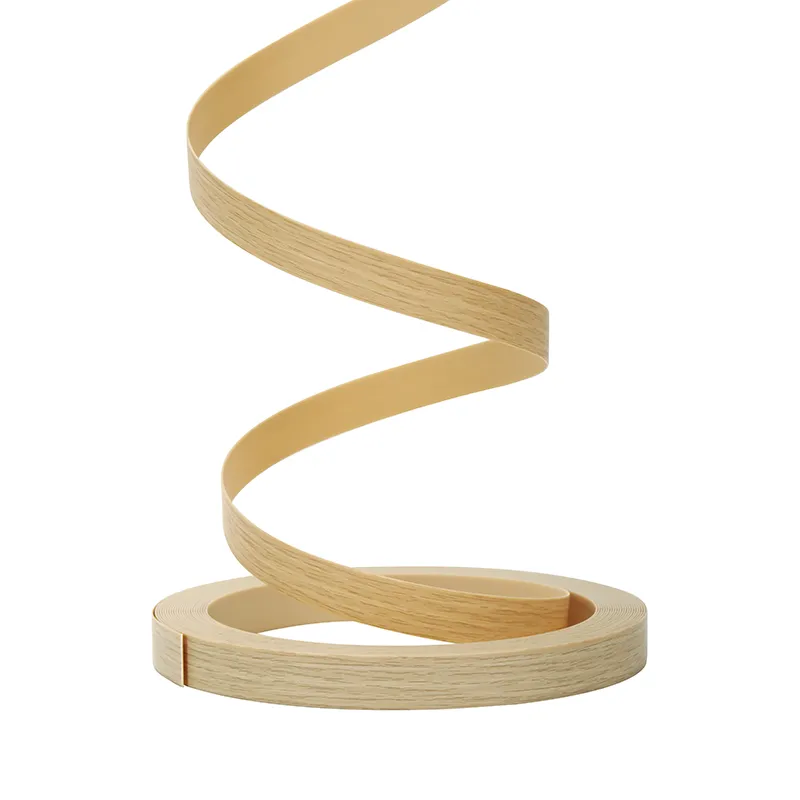
August 10, 2026
Table PVC Edge Banding Benefits for Daily Use Furniture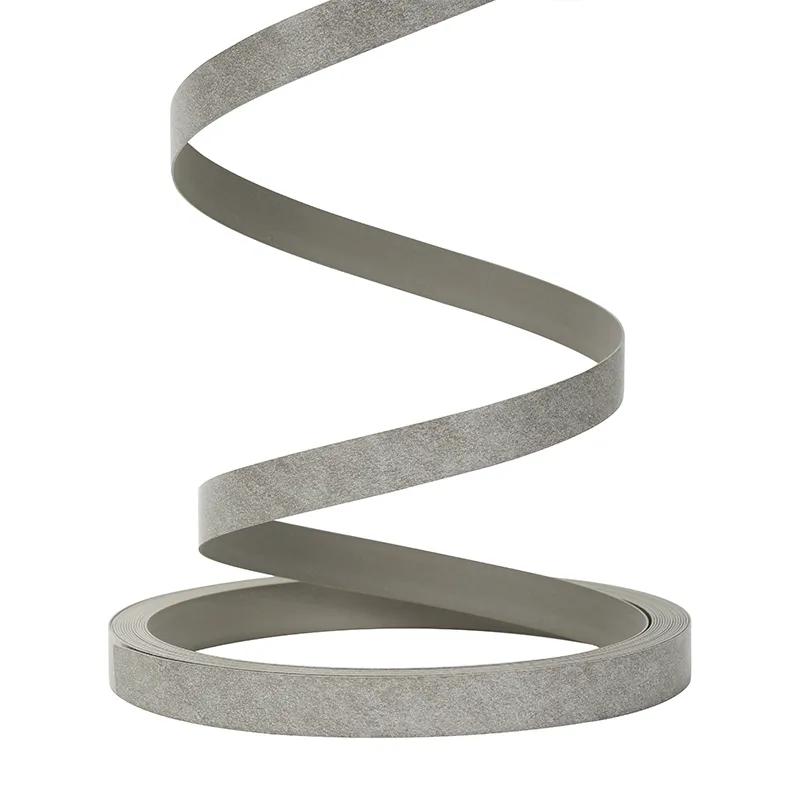
August 10, 2026
High Gloss Edge Banding vs Matte Edge Banding: What’s the Difference?
August 07, 2026
PVC Edge Banding vs Melamine Edge Banding
August 07, 2026
Tips for Processing ABS Edge Banding
August 07, 2026
PVC Door Bottom Seal Buying Guide
August 07, 2026
Cabinet PVC Edge Banding Applications in Kitchen Design