Blog
Blog
March 04, 2026
In today\'s ever-evolving construction and home improvement industry, the significance of weather stripping has come into sharp focus. Particularly in the context of energy efficiency, weather stripping is crucial for addressing common pain points related to air leaks and thermal comfort. Homeowners often battle high energy costs due to drafts and air conditioning loss in summer or heating loss in winter. Based on data from the U.S. Department of Energy, improper sealing of homes can lead to energy bill increases of up to 30% annually. This article delves into the essentials of weather stripping, its applications, and significant benefits for homeowners seeking improved energy efficiency.

Weather stripping is a method used to seal the edges of doors and windows. These seals prevent the infiltration of outside air and moisture, effectively creating a barrier that enhances the energy efficiency of a building. Industry terms involved in weather stripping include "air infiltration," which refers to the unwanted flow of air in or out of a structure, and "thermal insulation," which is the ability to reduce heat loss or gain. In fact, the American Society of Heating, Refrigerating and Air-Conditioning Engineers (ASHRAE) reports that sealing drafts can result in energy savings of 15% - 30% when combined with proper insulation practices.
Weather stripping is predominantly used in residential and commercial applications involving doors and windows. Specific scenarios include:
Homes: In residential properties, weather stripping enhances comfort by controlling indoor temperatures and reducing the source of energy loss, particularly where windows and doors meet the frames.
Commercial Buildings: Businesses benefit from sealed environments as it reduces the need for HVAC usage and promotes customer comfort.
Automotive: Weather stripping is also essential in vehicles where it prevents wind noise and moisture intrusion, enhancing the passenger experience.
The importance of weather stripping cannot be overstated. Key advantages include:
Energy Efficiency: Installing weather stripping can reduce energy bills by up to 30%, as previously mentioned. Efficient weather seals ensure that heating and cooling systems operate more effectively.
Improved Comfort: By minimizing drafts, homeowners experience a more stable indoor climate, making living spaces more comfortable throughout varying seasons.
Cost Savings: The initial costs of purchasing and installing weather stripping can often be recuperated within a year through decreased energy expenses.
Moisture Control: Proper weather seals reduce the chances of mold and mildew proliferation by preventing water leaks, ensuring a healthier indoor environment.
For those interested in improving their home’s energy efficiency and comfort level, the next step is reviewing specific user guides on the different types of weather strips available in the market. Consider testing products from reputable brands like chimeda, which are designed to cater to various home styles and needs. Their products often come with comprehensive user manuals that explain installation and provide maintenance tips.
1. How do I know if I need weather stripping?
If you feel drafts near doors or windows, notice fluctuating indoor temperatures, or experience unusually high energy bills, it’s likely time for weather stripping.
2. What are the best materials for weather stripping?
Common materials include rubber, foam, vinyl, and metal. Each serves different applications based on durability and flexibility.
3. How long does weather stripping last?
The lifespan varies by material; typically, rubber and foam last between 3 to 10 years, while metal can last 20 years or more.
For further understanding or trial of products, do not hesitate to explore the collection offered by chimeda, which are meticulously designed to enhance both home comfort and energy savings.


August 10, 2026
Edge Banding Thickness Guide: 0.4mm to 3mm
August 10, 2026
Tips for Applying Edge Banding Without Peeling
August 10, 2026
Why PVC Door Bottom Seals Improve Soundproofing
August 10, 2026
PP Edge Banding Product Review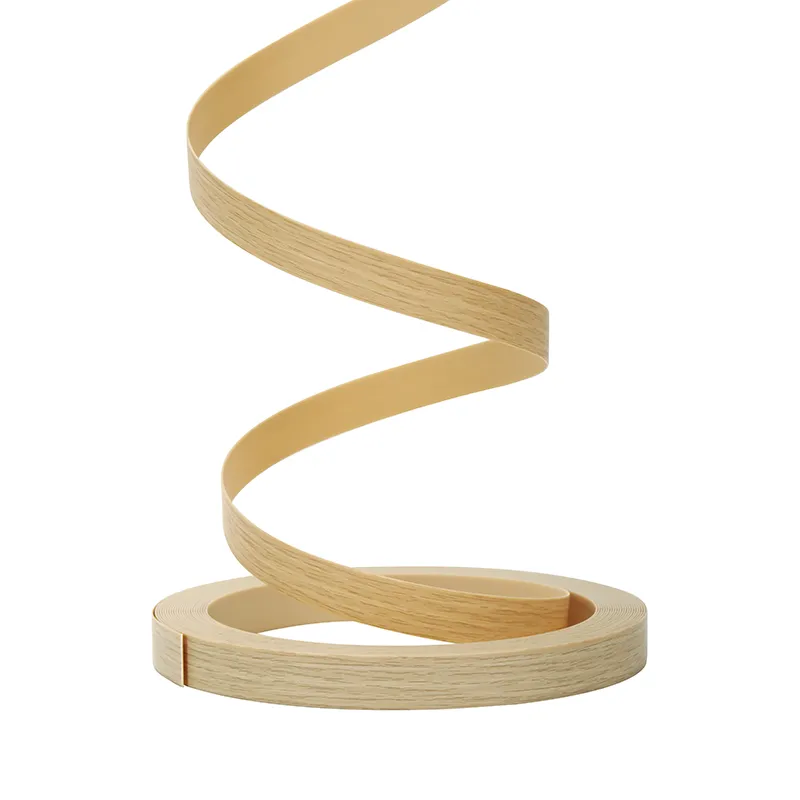
August 10, 2026
Table PVC Edge Banding Benefits for Daily Use Furniture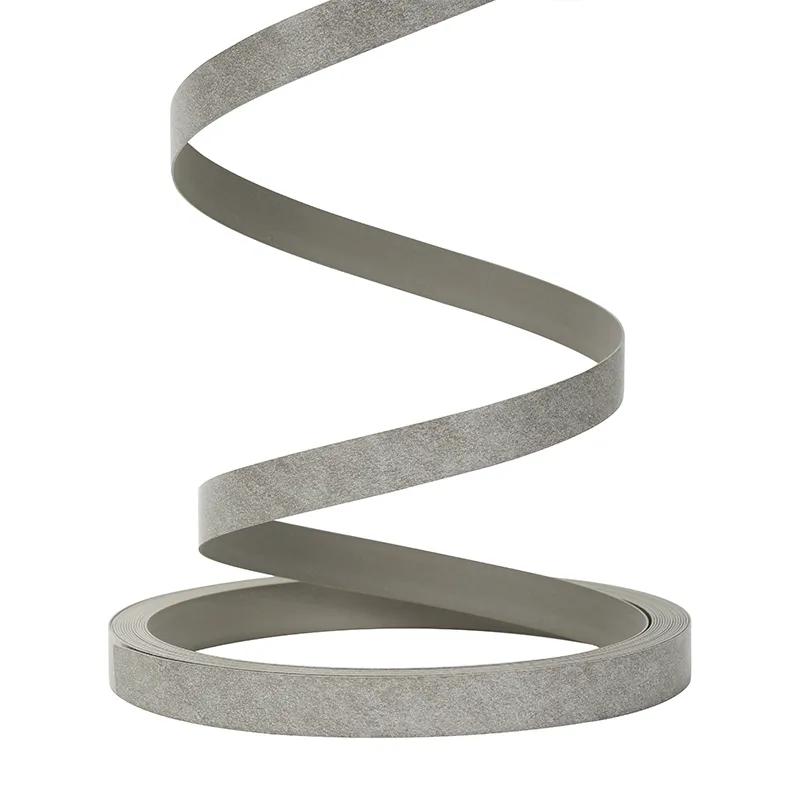
August 10, 2026
High Gloss Edge Banding vs Matte Edge Banding: What’s the Difference?
August 07, 2026
PVC Edge Banding vs Melamine Edge Banding
August 07, 2026
Tips for Processing ABS Edge Banding
August 07, 2026
PVC Door Bottom Seal Buying Guide
August 07, 2026
Cabinet PVC Edge Banding Applications in Kitchen Design