Blog

Blog

What Is ABS Edging and How Is It Used in Furniture Production?

May 13, 2026

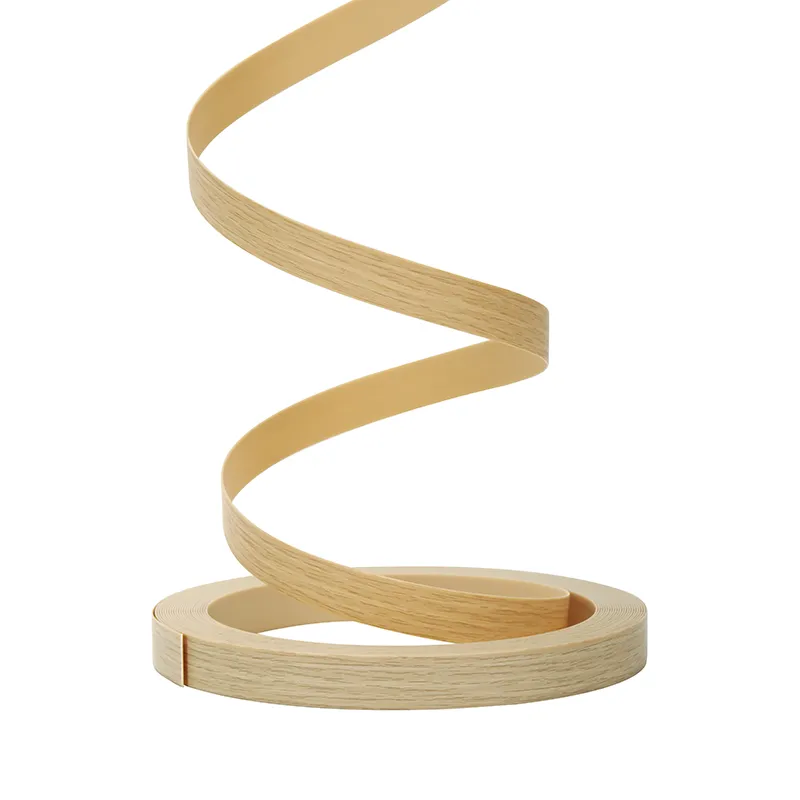
ABS edging, or Acrylonitrile Butadiene Styrene edging, is a robust, thermoplastic material utilized predominantly in furniture production to cover the exposed edges of particleboard or MDF (Medium-Density Fiberboard). Its practical applications extend beyond mere aesthetics; it strengthens the edges, enhances durability, and prevents moisture ingress, making it invaluable for cabinetry and various furniture items. For businesses, investing in ABS edging not only improves the product's overall reliability but also boosts customer satisfaction through high-quality finishes.

ABS edging's history stems from the need for more resilient solutions for edge banding, emerging as a response to the limitations of traditional materials like PVC and wood veneer. Over the past few decades, advancements in manufacturing technologies have refined ABS production, enhancing features such as flexibility, color retention, and environmental safety. In line with ASTM and DIN standards for quality assurance, modern ABS edging has become integral in both commercial and residential furniture production.

The significance of ABS edging goes beyond its structural benefits. It offers a seamless finish that is both visually appealing and functionally superior. Furniture companies leverage ABS edging to create high-end looks at a competitive cost, appealing to a broad consumer market. Moreover, its resistance to scratching, fading, and water exposure ensures that products maintain their aesthetic appeal over time, making it a smart choice for manufacturers dedicated to sustainability and long-lasting quality.

Despite its advantages, common misconceptions about ABS edging persist. One widespread error is equating ABS with inferior plastics like PVC, which can lead to hesitance among manufacturers. In reality, ABS edging offers comparable durability and superior heat resistance while being more environmentally friendly. Additionally, misconceptions may arise regarding its application; some manufacturers believe that all types of ABS edging are suitable for any furniture type. However, selecting the correct thickness and finish is critical, especially when ensuring a seamless look that harmonizes with the overall design of the furniture.

To illustrate the benefits of ABS edging, consider the case of a leading furniture manufacturer, Chimeda, which adopted ABS edging across its product lines. By implementing ABS edging, Chimeda enhanced the durability of its cabinets, achieving superior performance verified through rigorous 100% inspection processes. This resulted in a 20% decrease in product returns due to defects, showcasing how effective ABS edging can be in real-world applications.

In summary, understanding what ABS edging is and how it is used in furniture production is crucial for both manufacturers and consumers alike. Its role in enhancing durability and aesthetics cannot be understated. By addressing common misconceptions and showcasing successful applications, businesses can leverage the advantages of ABS edging to meet their customers' needs. As you explore ABS edging further, consider how integrating this robust material can improve your product offerings and align with industry standards for quality and performance.

Hot Products
PVC Edge Banding Customizable
PVC edge banding is made of polyvinyl chloride as the main material.
ABS Edge Banding Customizable
ABS edge banding does not add any fillers (such as calcium carbonate and other substances) during the production process
PP Edge Banding Customizable
Polypropylene, also known as PP , is a semi-crystalline thermoplastic.
PU Foam Sealing Strip Customizable
PU foamed sealing strip are made of four high-quality materials: the outer layer is wrapped with PE outer film
Three Types of Composite Sealing Strips Customizable
CHIMEDA three-composite sealing strip, the hard part of the base material is modified PP (high hardness)
TPE Sealing Strip Customizable
TPE sealing strips are non-toxic, environmentally friendly, pollution-free, do not contain heavy metals
PVC Door Bottom Seal Customizable
PVC door bottom strips are made from high-quality modified PVC material and are cold-resistant,environmentally friendly, and non-toxic.
Latest News
Why Plywood ABS Edging Is a Better Eco-Friendly Option

May 26, 2026

Why Plywood ABS Edging Is a Better Eco-Friendly Option
Environmental concerns are at the forefront of consumer choice today. As we become increasingly aware of our ecological footprint, decision-makers in industries ranging from construction to furniture manufacturing are faced with pressing questions about sustainability. The widespread use of non-recyclable materials and harmful adhesives in the prod
Learn More
Pros and Cons of Door PVC Edge Banding in Interior Decoration

May 26, 2026

Pros and Cons of Door PVC Edge Banding in Interior Decoration
When it comes to interior decoration, the right materials can significantly affect both functionality and aesthetics. One frequently debated option is Door PVC Edge Banding, which plays a crucial role in finishing surfaces and ensuring durability. Homeowners often face problems with wear, tear, and moisture damage in their door finishes, leading to their need for a solution that balances
Learn More
How ABS Edging Improves Furniture Durability and Safety

May 19, 2026

How ABS Edging Improves Furniture Durability and Safety
ABS (Acrylonitrile Butadiene Styrene) edging is a type of thermoplastic material used in furniture making. It offers durability and flexibility, making it an ideal choice for protecting furniture edges from damage and wear.
Learn More
What Is ABS Edging and How Is It Used in Furniture Production?

May 13, 2026

What Is ABS Edging and How Is It Used in Furniture Production?
ABS edging, or Acrylonitrile Butadiene Styrene edging, is a robust, thermoplastic material utilized predominantly in furniture production to cover the exposed edges of particleboard or MDF (Medium-Density Fiberboard). Its practical applications extend beyond mere aesthetics; it strengthens the edges, enhances durability, and prevents moisture ingress, making it invaluable for cabinetry and
Learn More
How to Choose the Right Matte Edge Banding for Furniture

May 09, 2026

How to Choose the Right Matte Edge Banding for Furniture
Matte edge banding is a material used to cover the exposed edges of plywood, particleboard, or other types of boards, providing a clean and professional finish. It enhances durability while offering an aesthetically pleasing look.
Learn More
What Is a PVC Door Bottom Seal and Its Benefits

April 17, 2026

What Is a PVC Door Bottom Seal and Its Benefits
In the world of construction and home improvement, the PVC door bottom seal plays a pivotal role in ensuring energy efficiency and comfort in residential and commercial settings. These seals are essential for blocking drafts, dust, and pests, thereby improving indoor air quality and conserving energy. With the ever-increasing focus on sustainabilit
Learn More
Step-by-Step Guide to Installing TPE Sealing Strips

April 16, 2026

Step-by-Step Guide to Installing TPE Sealing Strips
If you're someone dealing with drafty windows or gaps in doors, then this comprehensive guide on installing TPE sealing strips is tailored for you. Homeowners often face issues such as energy loss, noise infiltration, and even pest entry, leading to increased utility bills and discomfort in living spaces. TPE (Thermoplastic Elastomer) sealing strips offer a practical solution as they effectively
Learn More
Why TPE Sealing Strips Are Preferred Over Traditional Materials

April 15, 2026

Why TPE Sealing Strips Are Preferred Over Traditional Materials
In industries ranging from automotive to consumer electronics, the demand for reliable sealing solutions is paramount. Traditional materials, such as rubber and foam, often fail to meet stringent requirements for durability, flexibility, and environmental resistance. The pain points of using these conventional materials include wear and tear, which leads to costly replacements and potential
Learn More
How to Properly Apply TPE Sealing Strips for Maximum Seal

April 14, 2026

How to Properly Apply TPE Sealing Strips for Maximum Seal
Are you struggling with drafts in your home or facing issues with moisture leaks? TPE sealing strips can provide an effective and efficient solution. Many users have reported difficulties in applying these strips correctly, leading to diminished sealing effects. This article will not only address common pain points but also guide you through the en
Learn More
Composite Sealing Strips vs TPE Sealing Strips: Which Is Better?

April 13, 2026

Composite Sealing Strips vs TPE Sealing Strips: Which Is Better?
In the quest for the ideal sealing solution, many users find themselves pondering the age-old question: Composite sealing strips or TPE sealing strips? Common pain points arise when considering factors like durability, environmental impact, cost-efficiency, and overall performance. For homeowners confronting issues like leaks or drafts, the choice of sealing material can significantly affect
Learn More
WeChat