Blog
Blog
April 17, 2026
In the world of construction and home improvement, the PVC door bottom seal plays a pivotal role in ensuring energy efficiency and comfort in residential and commercial settings. These seals are essential for blocking drafts, dust, and pests, thereby improving indoor air quality and conserving energy. With the ever-increasing focus on sustainability and energy savings, the demand for effective sealing solutions like PVC door bottom seals has surged. This article delves into what PVC door bottom seals are, their significant benefits, and practical applications in everyday scenarios.
A PVC door bottom seal is a strip made from polyvinyl chloride (PVC) that is installed at the bottom of doors to create a tight seal. This component is crucial for minimizing air leaks and enhancing energy efficiency. According to a study published by the U.S. Department of Energy, around 30% of energy loss in a typical home can be attributed to gaps around doors and windows. By utilizing a PVC door bottom seal, homeowners can potentially reduce their heating and cooling costs by up to 20%.
Moreover, one of the key advantages of PVC door seals is their durability. The material is resistant to corrosion and weathering, meaning that a quality PVC door bottom seal can last over ten years with proper maintenance. This characteristic makes it a smart long-term investment for homeowners and businesses alike.
PVC, or polyvinyl chloride, is a versatile plastic polymer widely used in construction and manufacturing due to its durability and low cost. In the context of door bottom seals, PVC is favored because of its weather-resistant properties and ease of installation.
Thermal Envelope: Refers to the layers of materials that work together to reduce heat loss or gain within a building. PVC door bottom seals contribute significantly to maintaining this envelope.
Weatherstripping: This is a broader term that encompasses various materials used to seal gaps around doors and windows, including PVC, rubber, and foam.
PVC door bottom seals are utilized across various sectors, including:
Residential: Homeowners install these seals on exterior doors to prevent drafts and enhance the energy efficiency of their homes.
Commercial: Businesses use PVC seals in office buildings and retail spaces to control air conditioning costs and enhance customer comfort.
Industrial: Factories commonly use door seals in loading docks to prevent contaminants from entering the production area.
The adaptability of PVC door bottom seals makes them suitable for any environment where energy efficiency and air quality are priorities.
The significance of installing a PVC door bottom seal cannot be overstated. Its primary advantages include:
Energy Savings: As previously mentioned, these seals can help reduce energy bills by blocking drafts. In fact, homeowners can experience energy savings of approximately $200 annually when air leaks are effectively sealed.
Enhanced Comfort: A well-sealed door can maintain a stable indoor temperature, improving overall comfort for residents and employees.
Pest Control: PVC door seals minimize gaps that pests can exploit, contributing to a healthier indoor environment.
Sound Insulation: By reducing air gaps, these seals can also help dampen noise from the outside, providing a quieter living and working space.
For readers who are interested in enhancing their home or office with PVC door bottom seals, it is recommended to consult the user guide provided by manufacturers such as chimeda. This guide can offer insights into installation procedures, maintenance tips, and product specifications to ensure optimal performance.
How long do PVC door bottom seals last?
Quality PVC door bottom seals can last over ten years depending on environmental factors and maintenance.
Can I install a PVC door bottom seal myself?
Yes, most PVC door bottom seals come with easy-to-follow instructions for DIY installation.
Are PVC door bottom seals weather-resistant?
Absolutely! PVC is known for its weather-resistant properties, making it ideal for exterior doors.
Do PVC door seals help with noise reduction?
Yes, they can help reduce noise by minimizing air gaps, thus providing sound insulation.
For more in-depth information or to purchase a PVC door bottom seal, please visit Chimeda. By taking these steps, you can improve your energy efficiency and create a more comfortable living environment.


August 10, 2026
Edge Banding Thickness Guide: 0.4mm to 3mm
August 10, 2026
Tips for Applying Edge Banding Without Peeling
August 10, 2026
Why PVC Door Bottom Seals Improve Soundproofing
August 10, 2026
PP Edge Banding Product Review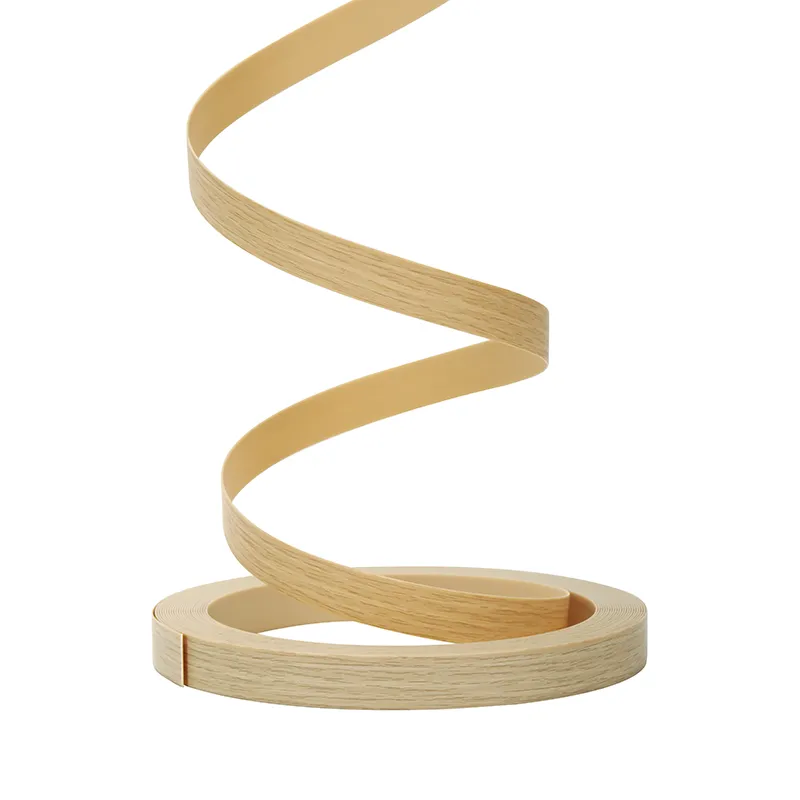
August 10, 2026
Table PVC Edge Banding Benefits for Daily Use Furniture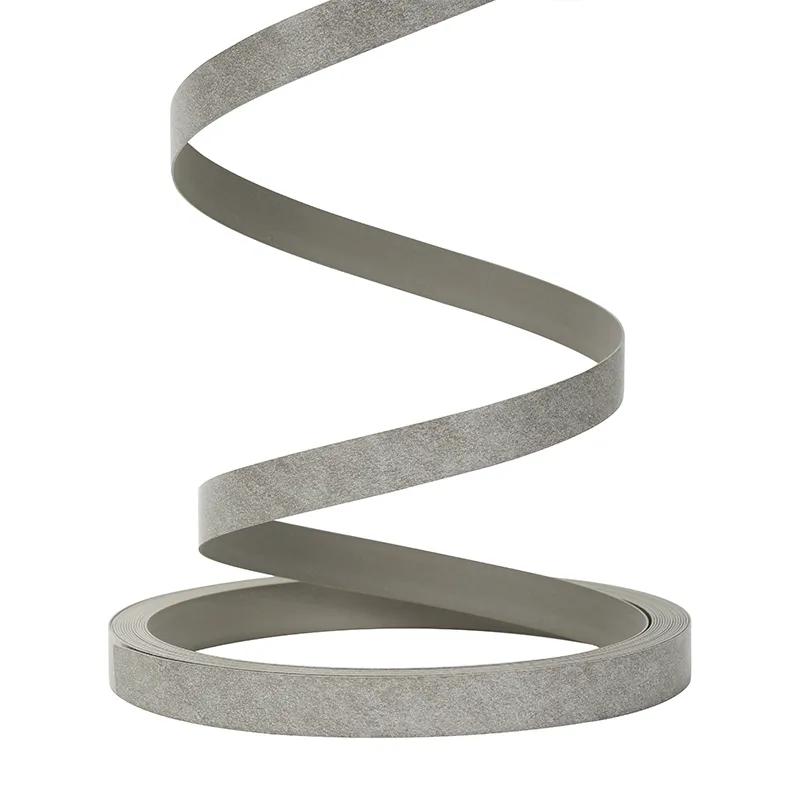
August 10, 2026
High Gloss Edge Banding vs Matte Edge Banding: What’s the Difference?
August 07, 2026
PVC Edge Banding vs Melamine Edge Banding
August 07, 2026
Tips for Processing ABS Edge Banding
August 07, 2026
PVC Door Bottom Seal Buying Guide
August 07, 2026
Cabinet PVC Edge Banding Applications in Kitchen Design