Blog
Blog
July 27, 2026
Weather strips are materials used to seal gaps around doors and windows, preventing air leaks and improving energy efficiency. They come in various materials, including foam, vinyl, and rubber, and are designed to withstand varying weather conditions.
Rubber seals are typically used to create a watertight and airtight barrier in various applications, including automotive, plumbing, and construction. Made from durable rubber compounds, they provide excellent protection against environmental factors.
Material Durability
Installation Process
Cost-effectiveness
Energy Efficiency
Longevity and Maintenance
| Parameter | Weather Strip | Rubber Seal |
|---|---|---|
| Material Durability | Varies (depends on type) | High |
| Installation Process | Simple; adhesive or adhesive-backed | Varies; may require tools |
| Cost-effectiveness | Generally cheaper | Moderate |
| Energy Efficiency | Good | Excellent |
| Longevity and Maintenance | Varies; requires periodic replacement | Long-lasting; low maintenance |
Users have reported that weather strips are often effective in reducing energy bills by sealing drafts, but their lifespan can vary greatly, with some needing replacement within a year.
Rubber seals tend to provide robust and reliable protection against moisture and air leaks, with users noting their durability and minimal maintenance needs, making them a preferred choice in critical applications.
Advantages:
Cost-effective solution for sealing gaps
Easy-to-install options available
Variety of materials to choose from
Disadvantages:
May require frequent replacement
Less effective in extreme weather conditions
Advantages:
Highly durable and long-lasting
Excellent in preventing water and air leaks
Minimal maintenance required
Disadvantages:
Generally more expensive than weather strips
Installation may require professional assistance
For those looking for an economical solution for home improvement, weather strips may be suitable. However, if durability and a long-term seal are paramount, rubber seals are recommended. At chimeda, we offer a variety of both weather strips and rubber seals to meet different needs, ensuring you choose the best option for your specific situation.
In summary, the choice between weather strips and rubber seals depends on the specific application, budget, and desired longevity. Understanding the strengths and weaknesses of each type can guide you toward the best decision for your sealing needs.


August 10, 2026
Edge Banding Thickness Guide: 0.4mm to 3mm
August 10, 2026
Tips for Applying Edge Banding Without Peeling
August 10, 2026
Why PVC Door Bottom Seals Improve Soundproofing
August 10, 2026
PP Edge Banding Product Review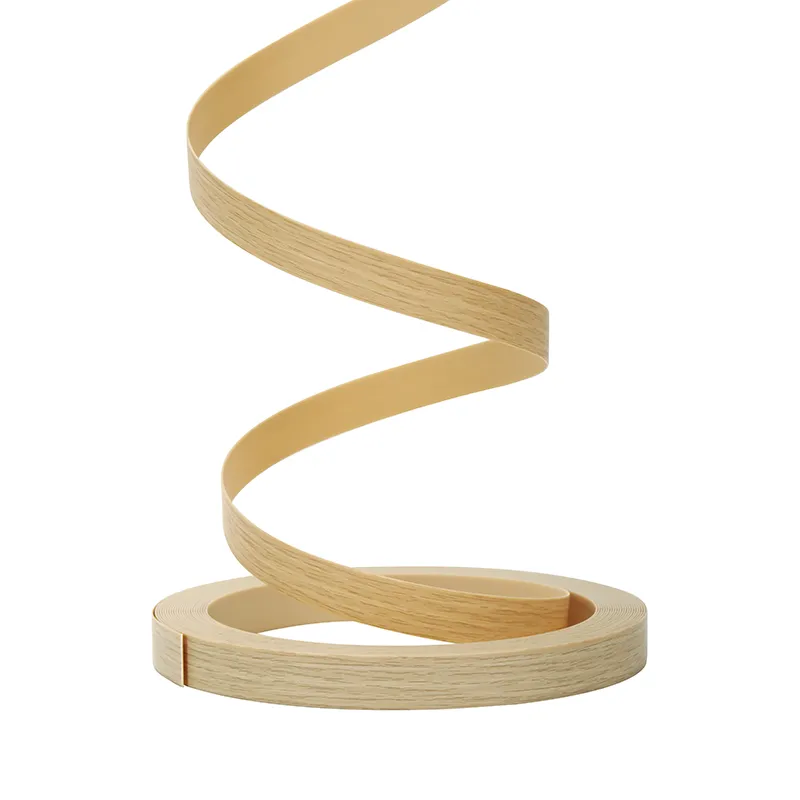
August 10, 2026
Table PVC Edge Banding Benefits for Daily Use Furniture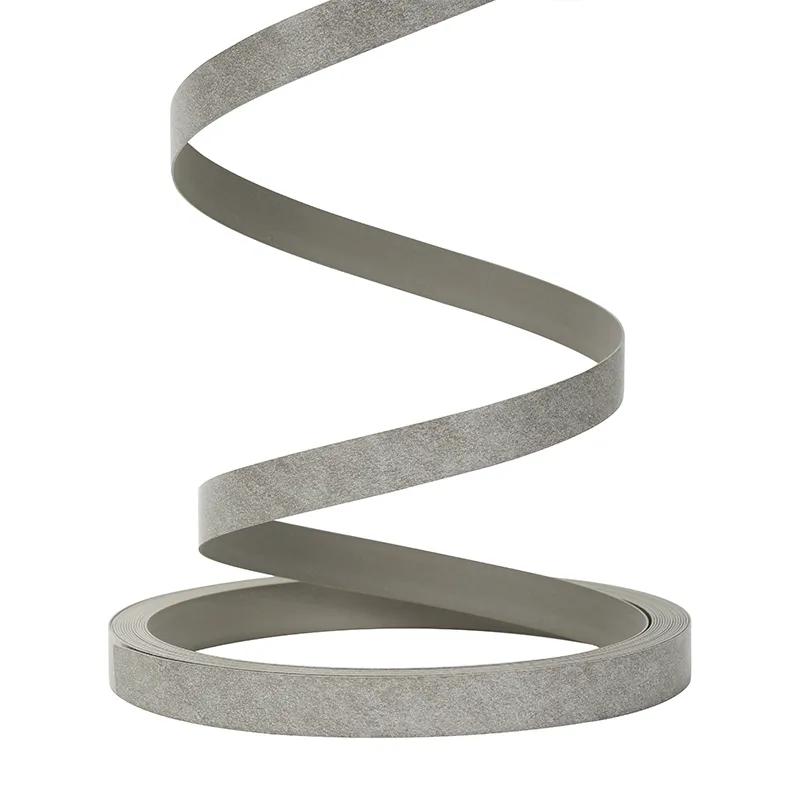
August 10, 2026
High Gloss Edge Banding vs Matte Edge Banding: What’s the Difference?
August 07, 2026
PVC Edge Banding vs Melamine Edge Banding
August 07, 2026
Tips for Processing ABS Edge Banding
August 07, 2026
PVC Door Bottom Seal Buying Guide
August 07, 2026
Cabinet PVC Edge Banding Applications in Kitchen Design