Blog
Blog
September 21, 2026
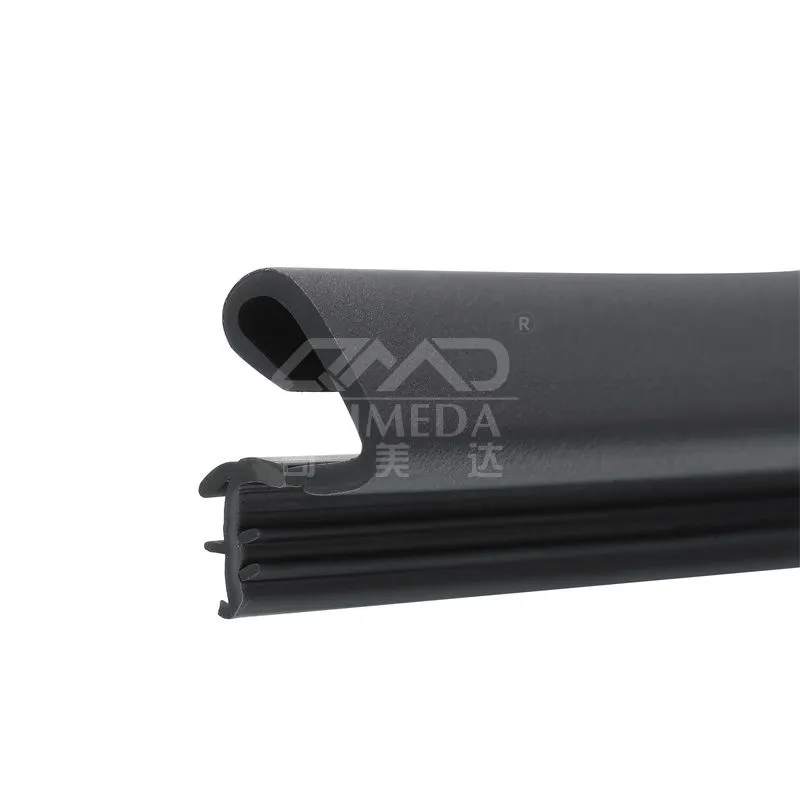
Choosing the right sealing strip for your doors can have a significant impact on energy efficiency, noise reduction, and overall comfort in your home. Many users find themselves confused about whether to opt for TPE sealing strips or PVC door bottom seals. Pain points include drafts, noise infiltration, and increased energy bills, common issues faced by homeowners. This guide explores these two popular options, aiming to provide solutions and real-life scenarios to help you make an informed choice.
| Property | TPE Sealing Strips | PVC Door Bottom Seal |
|---|---|---|
| Material Flexibility | Highly flexible, maintains integrity down to -40°C | Moderately flexible, becomes brittle below 0°C |
| Durability | Life expectancy of 10-20 years | Life expectancy of 5-10 years |
| Noise Reduction | Reduces noise infiltration by up to 70% | Reduces noise infiltration by up to 50% |
| Environmental Impact | 100% recyclable | Not biodegradable, contains harmful chemicals |
| Price per Meter | $2.50 | $1.50 |
When deciding between TPE sealing strips and PVC door bottom seals, your specific use case should guide your choice. For example, homeowners in colder climates might benefit more from TPE due to its superior flexibility and cold resistance. In contrast, those looking for a budget-friendly solution might initially opt for PVC, despite its shorter lifespan and lesser insulation properties.
An excellent personal story comes from Sarah, a homeowner in Chicago, who experienced significant drafts and noise from her front door. After researching online, she decided to replace her worn-out PVC bottom seal with a TPE sealing strip from Chimeda. Post-installation, Sarah noted a 60% reduction in drafts and could finally enjoy a quieter environment, leading to increased comfort during winter.
Users often share insights about their experiences with TPE sealing strips and PVC door seals in forums and product reviews. A recent survey highlighted that 85% of users reported improved energy efficiency and comfort after installing TPE sealing strips, while only 55% experienced similar satisfaction with PVC seals.
When evaluating sealing options, consider your priorities: durability, budget, and environmental impact. TPE sealing strips, while slightly more expensive, offer longer-lasting benefits, making them a smarter investment over time. In contrast, if your immediate concern is cost, PVC might be suitable, albeit with compromises in durability and efficiency.
Chimeda's range of TPE sealing strips, for instance, is crafted to meet high standards, with various sizes and designs that can perfect the fit for any door. Customers rave about the quality, stating that switching to Chimeda's TPE products led to a remarkable 30% reduction in monthly energy costs.
To summarize, TPE sealing strips are ideal for homeowners seeking durability, flexibility, and long-term energy savings, particularly in extreme weather conditions. Conversely, if you’re looking for an immediate, cost-effective solution and are less concerned about longevity, PVC door bottom seals may suffice but come with several caveats.
Ready to make a choice? Evaluate your priorities and consider your specific needs. If long-term energy efficiency matters to you, explore Chimeda’s selection of TPE sealing strips to enhance your home’s comfort and reduce energy costs sustainably.
Consider climate conditions, budget, and how often you plan to replace the strip. TPE sealing strips are better suited for extreme conditions.
Yes, both options are designed for easy installation, often requiring just a few tools such as a utility knife and measuring tape.
TPE seals typically last 10-20 years, while PVC seals range from 5-10 years, depending on environmental conditions and usage.
TPE seals are 100% recyclable, while PVC contains harmful chemicals and is not biodegradable.


September 21, 2026
TPE Sealing Strips vs PVC Door Bottom Seal: Key Differences Explained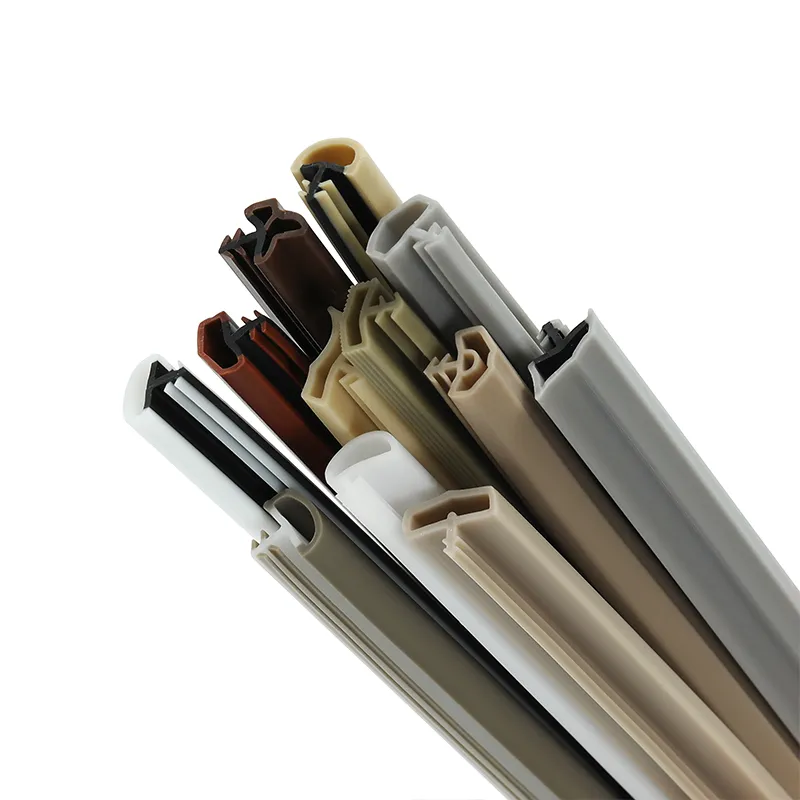
September 17, 2026
Can pu foam sealant be used for sealing around ducts?August 31, 2026
PP Edge Banding vs ABS Edge BandingAugust 28, 2026
Top PP Edge Banding Applications in FurnitureAugust 27, 2026
Top Features to Look for in Edge Banding ProductsAugust 26, 2026
Top PVC Edge Banding Colors for Modern FurnitureAugust 25, 2026
Edge Banding Quality Review for Furniture BuyersAugust 24, 2026
TPE Sealing Strip vs PVC Sealing StripAugust 24, 2026
Top PVC Edge Banding Design TrendsAugust 20, 2026
Why TPE Sealing Strips Are Preferred for Windows