Blog
Blog
August 18, 2026
If you're tasked with sourcing TPE sealing strips, whether for automotive, construction, or industrial applications, this buying guide is specifically designed for you. As a professional, you may be grappling with challenges related to material durability, adaptability, and cost-effectiveness. Understanding TPE sealing strips can enhance employee safety, reduce maintenance needs, and improve overall product performance. This guide will inform you about the critical characteristics you should be aware of while selecting a TPE sealing strip supplier, ensuring a solid decision for your unique applications.
Thermoplastic elastomers (TPEs) combine the properties of rubber and plastic, offering outstanding flexibility, resilience, and temperature stability. A significant advantage of TPE sealing strips is their ability to maintain performance under a temperature range of -60°C to 120°C, making them suitable for various application environments. Notably, TPE sealing strips provide a compression set of less than 25% after prolonged use, ensuring longevity and effectiveness. Understanding terminologies such as 'shore hardness,' 'extrusion strength,' and 'plasticizer content' can facilitate better selections.
Define the specific applications needed for the TPE sealing strip. Consider factors like environment (wet or dry), required flexibility, and the temperature range of operation. Accurately measuring the sealing gap dimensions will also play an essential role in selection.
Once you've defined your requirements, identify reliable TPE sealing strip suppliers. Look for companies like chimeda, known for their high-performance products and excellent customer service. Assess their product specifications, certifications (like ISO 9001), and previous client testimonials to verify their credibility.
Review the technical sheets of various TPE sealing strips. Key metrics include tensile strength (which could measure 1000 psi in TPEs) and elongation at break (often reaching up to 600%). Ensure the product meets your application standards while comparing chemical resistance properties.
Analyze the pricing structures of potential suppliers. For example, purchasing TPE sealing strips in bulk can yield savings of up to 20%. Calculate your long-term costs, including installation and maintenance, to ensure the best value.
Ask suppliers, such as chimeda, for samples of the TPE sealing strips you are considering. Conduct tests in real-world scenarios to assess their performance. Averages show that products that underwent field tests yield a 35% lower failure rate compared to those that did not.
Once you've finalized your choice, place your order with detailed specifications. Provide the supplier with precise dimensions, quantities, and any specific packaging requirements.
Generally, TPE sealing strips have a lifespan exceeding 10 years depending on environmental conditions and wear factors.
Yes, TPEs are known for their recyclability and reduced environmental impact compared to traditional rubber sealing materials.
TPE sealing strips often exhibit a superior compression set and can withstand a wider temperature range, making them versatile across various applications.
For those interested in a deeper understanding of TPE sealing technologies, consider exploring research papers on elastomer formulations and their testing methodologies. Resources such as ASTM standards or journal articles in Polymer Science can provide comprehensive knowledge on the subject.
In conclusion, selecting the right TPE sealing strip can significantly enhance efficiency and performance in your projects. We recommend reaching out to Chimeda for superior TPE sealing strip products and tailored solutions that meet your specific needs. Their variety of options and expertise will guide you to the best outcome for your applications.


September 21, 2026
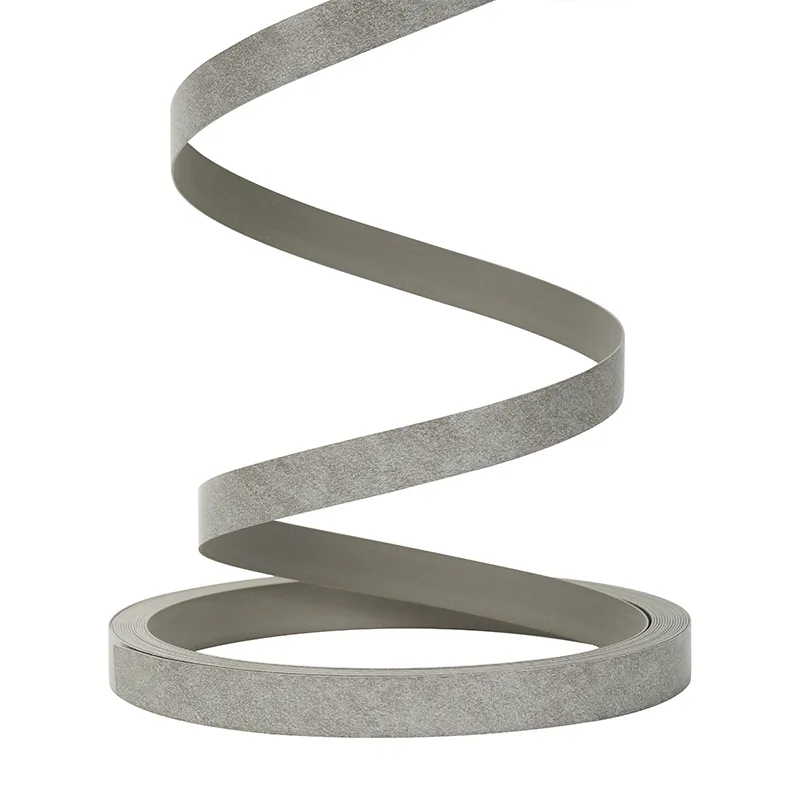
How to Apply PP Edge Banding for a Professional Finish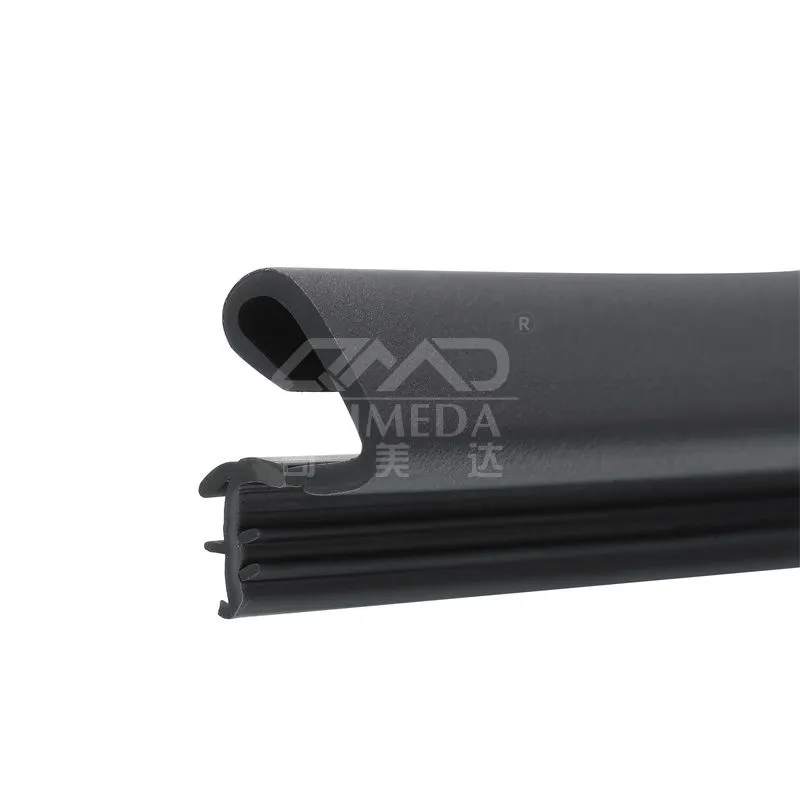
September 21, 2026
TPE Sealing Strips vs PVC Door Bottom Seal: Key Differences Explained
September 17, 2026
Can pu foam sealant be used for sealing around ducts?August 31, 2026
PP Edge Banding vs ABS Edge BandingAugust 28, 2026
Top PP Edge Banding Applications in FurnitureAugust 27, 2026
Top Features to Look for in Edge Banding ProductsAugust 26, 2026
Top PVC Edge Banding Colors for Modern FurnitureAugust 25, 2026
Edge Banding Quality Review for Furniture BuyersAugust 24, 2026
TPE Sealing Strip vs PVC Sealing StripAugust 24, 2026
Top PVC Edge Banding Design Trends