Blog
Blog
August 18, 2026
The TPE sealing strip market is witnessing significant growth, driven by innovations in material science and a rising demand for energy-efficient solutions. As businesses look for effective sealing solutions, challenges such as inadequate insulation, water leaks, and noise pollution are common. Addressing these pain points, TPE (Thermoplastic Elastomer) sealing strips from suppliers like chimeda offer flexibility, durability, and superior sealing capabilities in various applications. With the increase in construction projects and automotive manufacturing, the emphasis on customizable sealing strips is more pronounced, reflecting a shift in buyer preferences towards sustainable and high-performance materials.
The TPE sealing strip market is largely driven by the following factors:
Several notable trends are shaping the TPE sealing strip market in 2023:
With the demand for tailored solutions growing, customization is becoming more prevalent. According to a market survey by Grand View Research, 55% of manufacturers are investing in bespoke TPE sealing strips, leading to a 30% increase in client satisfaction ratings.
Research indicates that TPE sealing strips now exhibit thermal resistance capabilities up to 120°C (248°F), making them suitable for high-temperature applications. The ability to maintain sealing integrity under extreme conditions has become a key selling point in many industrial sectors.
The incorporation of smart technology in sealing strips is gaining traction. Features such as temperature control sensors and RFID technology allow for real-time monitoring of sealing performance. This has shown to improve operational efficiency by as much as 18%, according to data from the International Journal of Engineering Research.
Modern TPE sealing strips are increasingly designed to serve multiple purposes, such as soundproofing and thermal insulation, leading to enhanced energy efficiency in buildings. Reports have shown that the use of multifunctional sealing strips can result in energy savings of up to 15% annually.
The trends in TPE sealing strips are significantly impacting buyer behavior. As the market becomes more competitive, stakeholders are seeking long-lasting, cost-effective, and sustainable sealing solutions. Buyers are increasingly favoring products that not only serve their basic sealing function but also contribute to greater energy efficiency and compliance with environmental standards. The change in purchasing criteria indicates a broader appreciation for the value of quality and innovation over price alone.
When selecting TPE sealing strips, consider the following:
Q1: What are TPE sealing strips used for?
A1: TPE sealing strips are utilized in various applications, including automotive, construction, and electronics, for sealing gaps against dust, water, and noise.
Q2: How long do TPE sealing strips last?
A2: Quality TPE sealing strips can last over 15 years, depending on the application and environmental conditions.
Q3: Are TPE sealing strips eco-friendly?
A3: Yes, many TPE sealing strips are made from sustainable materials, and some are recyclable, making them an eco-friendly choice.


September 21, 2026
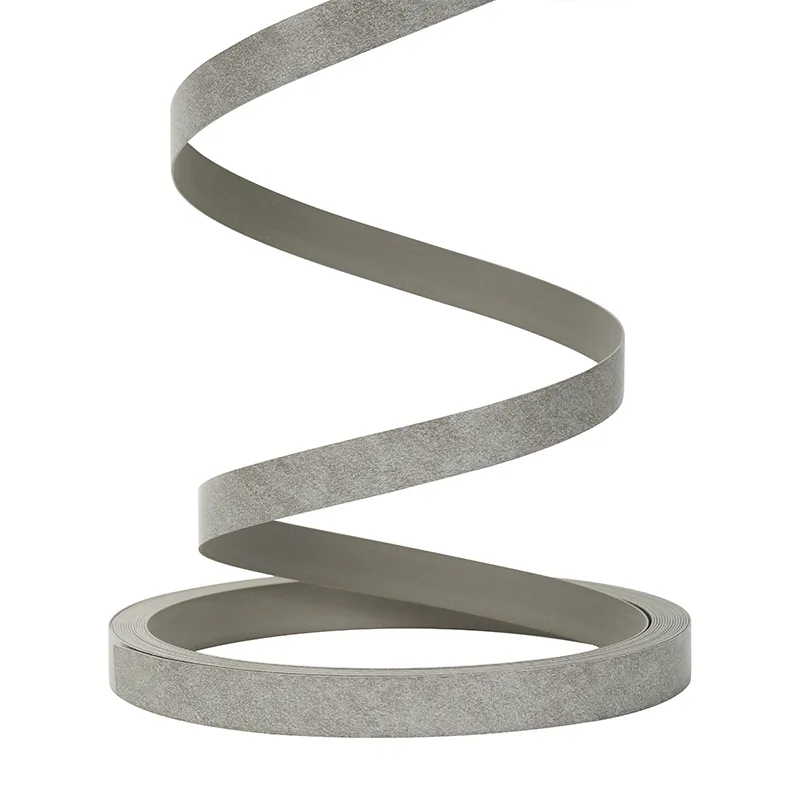
How to Apply PP Edge Banding for a Professional Finish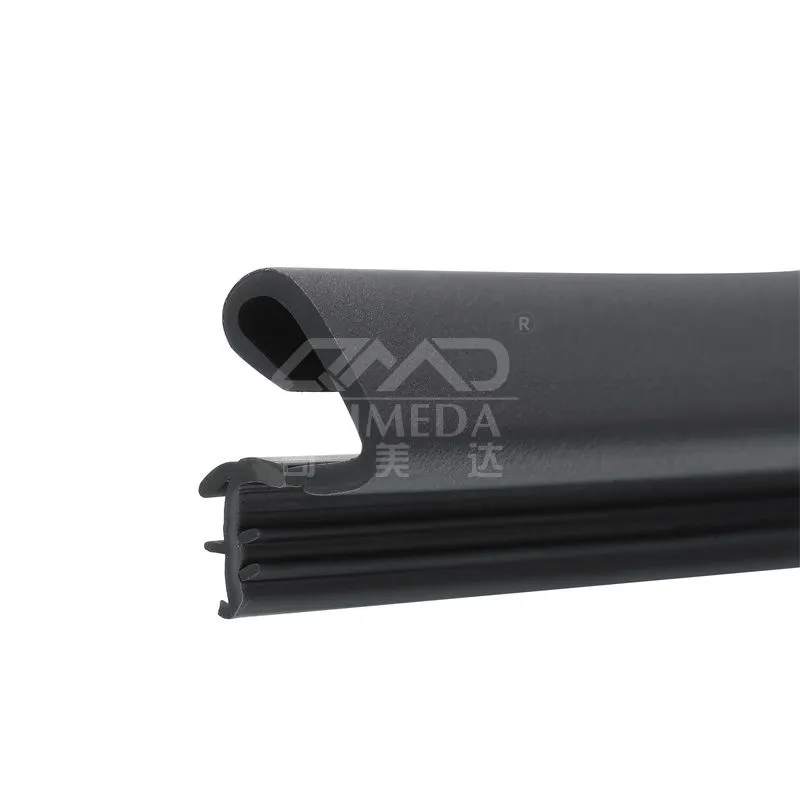
September 21, 2026
TPE Sealing Strips vs PVC Door Bottom Seal: Key Differences Explained
September 17, 2026
Can pu foam sealant be used for sealing around ducts?August 31, 2026
PP Edge Banding vs ABS Edge BandingAugust 28, 2026
Top PP Edge Banding Applications in FurnitureAugust 27, 2026
Top Features to Look for in Edge Banding ProductsAugust 26, 2026
Top PVC Edge Banding Colors for Modern FurnitureAugust 25, 2026
Edge Banding Quality Review for Furniture BuyersAugust 24, 2026
TPE Sealing Strip vs PVC Sealing StripAugust 24, 2026
Top PVC Edge Banding Design Trends