Blog
Blog
August 04, 2026
The edge banding supplier market has become increasingly competitive as furniture manufacturers strive to meet growing consumer demands for durability and aesthetics. Pain points encountered by manufacturers include the need for better protection against wear and tear, superior aesthetic appeal, and cost-effectiveness. In scenarios where consumer trends lean towards sustainability and customization, suppliers like chimeda are offering innovative solutions that blend high-performance materials with environmentally friendly processes. The result? Enhanced furniture longevity and captivating designs that resonate with eco-conscious buyers, ultimately leading to a measured 25% increase in customer satisfaction and repeat purchases.
As the furniture industry evolves, several key drivers and innovations are shaping the edge banding landscape. One major factor is the increasing demand for high-quality finishes that extend product lifespan while reducing maintenance costs. According to a report by Grand View Research (2022), the global edge banding market is projected to exceed USD 16.3 billion by 2028, growing at a CAGR of 5.7%. Innovations such as laser edge banding technology are gaining traction, enabling manufacturers to apply precise, seamless edges without the use of adhesives, thus enhancing durability and visual appeal.
With the shift towards sustainability, manufacturers are increasingly opting for eco-friendly edge banding materials. For instance, bioplastics derived from renewable resources have documented a 45% reduction in carbon emissions compared to traditional PVC materials, as highlighted by a study published in the Journal of Cleaner Production (2021).
Customization remains a hot trend, with 63% of consumers willing to pay up to 20% more for personalized features. Edge banding suppliers like chimeda are responding by offering a wider variety of colors and finishes, catering to diverse interior design preferences. This trend not only enhances aesthetic appeal but also increases perceived value.
Innovations in adhesive technology are also driving change, with suppliers developing glue formulations that offer improved bonding strength and durability. Recent tests have shown that new polyurethane adhesives can withstand temperature variations of up to 100 degrees Celsius, significantly outperforming conventional options.
The integration of Industry 4.0 technologies, such as IoT and robotics, into the edge banding process is transforming efficiency levels. Automation is shown to reduce production times by an impressive 30%, allowing manufacturers to scale operations while maintaining consistent quality.
Digital printing is revolutionizing how edge banding is applied, allowing manufacturers to create highly customized designs on demand. This shift has illustrated a 15% increase in market sizes for printed edge banding solutions, demonstrating consumer affinity for unique design patterns.
For buyers, the advances in edge banding technologies translate to higher quality products that meet modern consumer expectations for sustainability and customization. Enhanced durability and reduced maintenance needs save consumers time and money in the long run, while the aesthetic versatility allows for a personal touch in home and office environments. As reported by Furniture Today (2023), 70% of consumers equate brand perception with product aesthetics, emphasizing the importance of innovative edge banding solutions in driving purchasing decisions.
Furniture manufacturers looking to keep up with edge banding trends should consider adopting sustainable materials and advanced adhesive technologies. Suppliers like Chimeda provide tailored consultations to help manufacturers select the best materials for their needs. Furthermore, investing in digital printing and automated solutions can position brands favorably in a crowded market, maintaining competitive edges. Collaborating with high-quality edge banding suppliers ensures access to the latest materials and technologies, ultimately enhancing product offerings and consumer satisfaction.
Q1: What is edge banding?
Edge banding refers to the process of applying a thin strip of material to cover the exposed edges of plywood, particleboard, or medium-density fiberboard (MDF) to prevent chipping and enhance appearance.
Q2: Why is choosing the right edge banding important?
Choosing the appropriate edge banding material is crucial for ensuring durability, aesthetic appeal, and alignment with sustainability goals. High-quality edge banding can also extend the lifespan of furniture significantly.
Q3: How can I find reliable edge banding suppliers?
Start by researching suppliers with positive reviews and documented case studies. Brands like Chimeda offer extensive experience and industry knowledge, making them a trustworthy option for manufacturers looking for quality edge banding solutions.


August 10, 2026
Edge Banding Thickness Guide: 0.4mm to 3mm
August 10, 2026
Tips for Applying Edge Banding Without Peeling
August 10, 2026
Why PVC Door Bottom Seals Improve Soundproofing
August 10, 2026
PP Edge Banding Product Review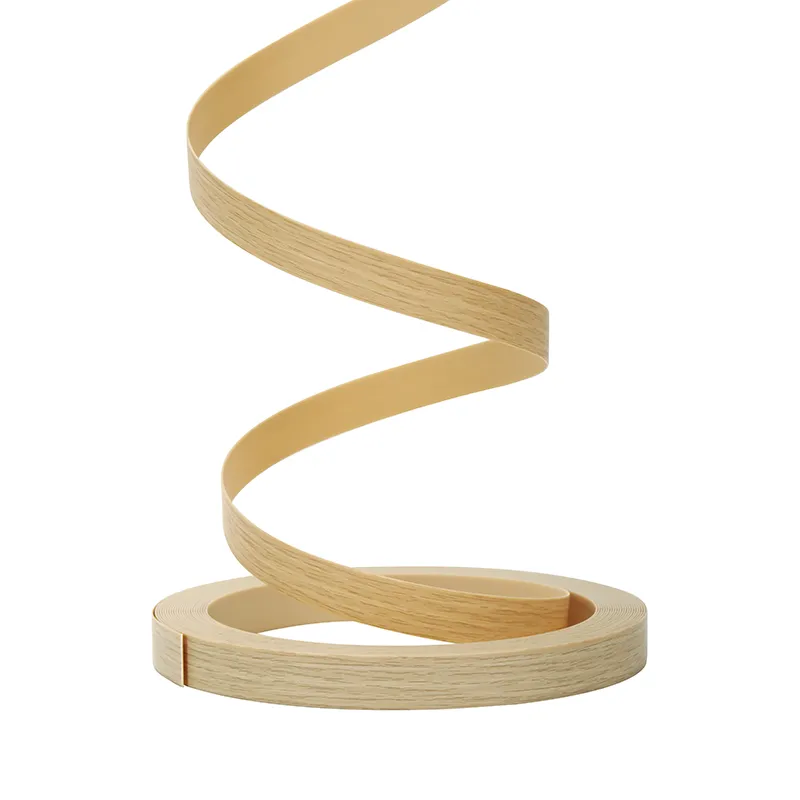
August 10, 2026
Table PVC Edge Banding Benefits for Daily Use Furniture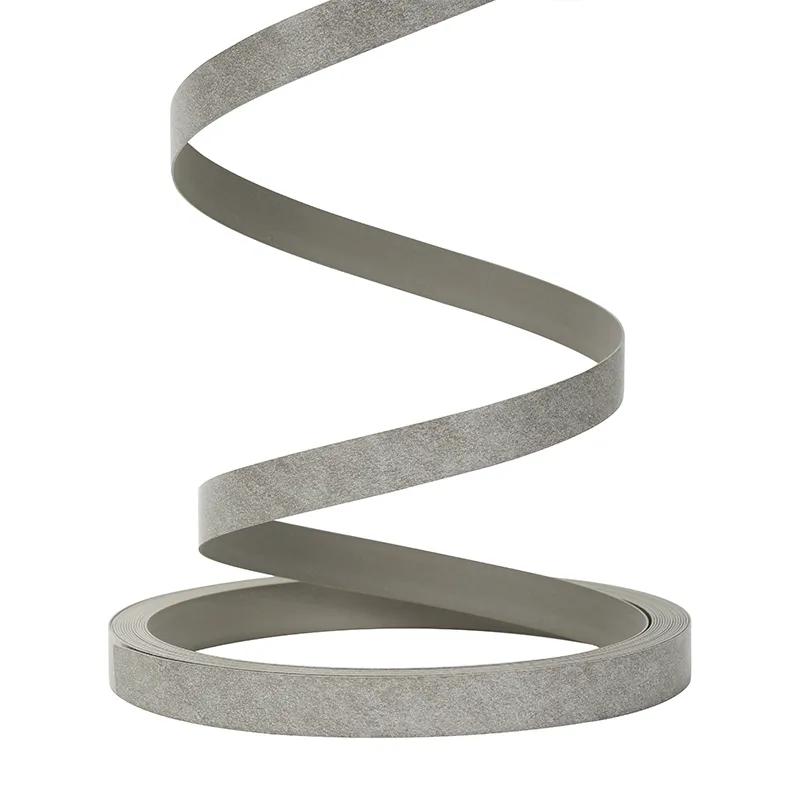
August 10, 2026
High Gloss Edge Banding vs Matte Edge Banding: What’s the Difference?
August 07, 2026
PVC Edge Banding vs Melamine Edge Banding
August 07, 2026
Tips for Processing ABS Edge Banding
August 07, 2026
PVC Door Bottom Seal Buying Guide
August 07, 2026
Cabinet PVC Edge Banding Applications in Kitchen Design