Blog

Blog

Step-by-Step Guide to Installing TPE Sealing Strips

April 16, 2026

Step-by-Step Guide to Installing TPE Sealing Strips

If you're someone dealing with drafty windows or gaps in doors, then this comprehensive guide on installing TPE sealing strips is tailored for you. Homeowners often face issues such as energy loss, noise infiltration, and even pest entry, leading to increased utility bills and discomfort in living spaces. TPE (Thermoplastic Elastomer) sealing strips offer a practical solution as they effectively seal openings and improve insulation by up to 30%. This article will navigate through the installation process, tools required, and expert tips to ensure a seamless application that lasts.

Basic Knowledge of TPE Sealing Strips

Before diving into the installation process, it's essential to understand some basic terminology and principles. TPE sealing strips are made from a versatile and durable material that combines the characteristics of rubber and plastic, ensuring flexibility and resilience against extreme temperatures.

  • Elasticity: TPE exhibits a tensile strength of up to 15 MPa, making it an ideal choice for sealing applications.
  • Thermal Stability: These strips can withstand temperatures ranging from -40°C to 120°C, ensuring year-round performance.
  • Adhesive Backing: Many TPE sealing strips come with an adhesive backing that allows for easy and immediate installation.

In-Depth Guide to Installing TPE Sealing Strips

Tools Required for Installation

Gather the following tools for a successful installation:

  1. Measuring tape
  2. Utility knife
  3. Rubbing alcohol (for surface preparation)
  4. Cloth or sponge
  5. Application roller (optional)

Step-by-Step Installation Process

  1. Measure the Area: Use a measuring tape to determine the length of the area where you will install the TPE sealing strips. Accurately measured lengths help avoid waste and ensure effective sealing.
  2. Prepare the Surface: Clean the surface with rubbing alcohol using a cloth to remove any dust, grease, or old adhesive. This preparation improves the adhesive's effectiveness, increasing stickiness by 25%.
  3. Cut the Sealing Strip: Using a utility knife, cut the TPE sealing strip according to your measured length. Ensure the cut is straight for a better fit.
  4. Apply the Sealing Strip: Peel the adhesive backing off the TPE strip and carefully position it along the edge of your window or door frame. Press down firmly to secure it in place.
  5. Seal the Edges: For enhanced durability, use an application roller to ensure the edges are well secured. This adds an additional layer of precision to the installation process.
  6. Inspect Your Work: Check for gaps or irregularities in the sealing and readjust where necessary to maintain the integrity of the seal.

Case Study

A customer from New York replaced old foam seals with TPE sealing strips and reported a 25% reduction in heating costs within three months. This case highlights the effectiveness of TPE strips in energy saving and thermal insulation.

FAQ

What types of TPE sealing strips are available?
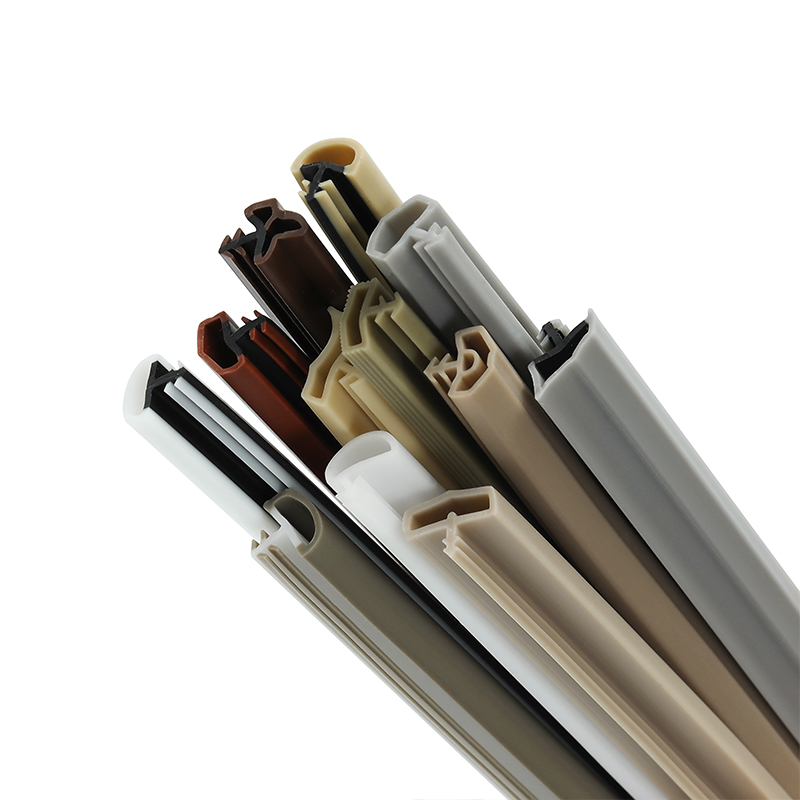
TPE sealing strips come in various shapes and sizes, including flat, round, and U-shaped. Choose based on your specific sealing needs.

How long do TPE sealing strips last?
When properly installed, TPE sealing strips can last anywhere from 5 to 10 years, maintaining their flexibility and sealing properties.

What is the best temperature for installation?
For optimal adhesion, it's best to install TPE sealing strips when temperatures are between 15°C and 30°C.

Advanced Skills or Extended Reading

For those looking to deepen their understanding, consider exploring the concept of thermoplastic elastomers in construction, where detailed studies demonstrate performance metrics and environmental impacts. Products from brands like Chimeda can provide additional insights, and visiting here can help you visualize installation options.

Conclusion and Recommendations

In conclusion, TPE sealing strips represent a measurable and effective way to improve thermal and acoustic insulation in your home. Their ease of installation and durable properties make them a must-have for any homeowner facing draft issues. For quality TPE sealing strips, the products offered by Chimeda are highly recommended. Feel free to check out their offerings at Chimeda to find the best solutions for your sealing needs.

Hot Products
PVC Edge Banding Customizable
PVC edge banding is made of polyvinyl chloride as the main material.
ABS Edge Banding Customizable
ABS edge banding does not add any fillers (such as calcium carbonate and other substances) during the production process
PP Edge Banding Customizable
Polypropylene, also known as PP , is a semi-crystalline thermoplastic.
PU Foam Sealing Strip Customizable
PU foamed sealing strip are made of four high-quality materials: the outer layer is wrapped with PE outer film
Three Types of Composite Sealing Strips Customizable
CHIMEDA three-composite sealing strip, the hard part of the base material is modified PP (high hardness)
TPE Sealing Strip Customizable
TPE sealing strips are non-toxic, environmentally friendly, pollution-free, do not contain heavy metals
PVC Door Bottom Seal Customizable
PVC door bottom strips are made from high-quality modified PVC material and are cold-resistant,environmentally friendly, and non-toxic.
Latest News
Edge Banding Thickness Guide: 0.4mm to 3mm

August 10, 2026

Edge Banding Thickness Guide: 0.4mm to 3mm
Edge banding thickness ranges from 0.4mm to 3mm, with each size serving specific durability, aesthetic, and functional needs.
Learn More
Tips for Applying Edge Banding Without Peeling

August 10, 2026

Tips for Applying Edge Banding Without Peeling
One common issue faced by woodworking enthusiasts and professional craftsmen alike is peeling edge banding, which often results from improper application. This can lead to unsightly finishes and increased material waste. Fortunately, adopting the right techniques can significantly enhance the longevity and appearance of your edge banding. As an edg
Learn More
Why PVC Door Bottom Seals Improve Soundproofing

August 10, 2026

Why PVC Door Bottom Seals Improve Soundproofing
Sound pollution is a growing concern that many people underestimate. As urban populations swell and industries expand, noise from outside—cars, machinery, construction—can disrupt our comfort and well-being. The impacts are significant: poor sound insulation can lead to increased stress levels, reduced productivity, and diminished quality of li
Learn More
PP Edge Banding Product Review

August 10, 2026

PP Edge Banding Product Review

Choosing the right PP edge banding can significantly enhance your furniture and woodworking projects. As a dedicated DIY enthusiast, I often face the challenge of selecting the right edge banding that not only meets aesthetic goals but also performs well. After exploring various options, including products from suppliers like Chimeda, I've compiled
Learn More
Table PVC Edge Banding Benefits for Daily Use Furniture
August 10, 2026

Table PVC Edge Banding Benefits for Daily Use Furniture
In today's rapidly evolving furniture industry, choosing the right materials can greatly affect both functionality and aesthetics. A common pain point for many consumers is finding durable and visually appealing solutions to enhance the longevity of their furniture. This is where Table PVC Edge Banding comes into play, offering a combination of resilience and attractiveness that significantly
Learn More
High Gloss Edge Banding vs Matte Edge Banding: What’s the Difference?

August 10, 2026

High Gloss Edge Banding vs Matte Edge Banding: What’s the Difference?
High Gloss Edge Banding features a shiny, reflective surface that enhances the aesthetic appeal of furniture. This type is often used on contemporary pieces, providing a sleek, modern look.
Learn More
PVC Edge Banding vs Melamine Edge Banding

August 07, 2026

PVC Edge Banding vs Melamine Edge Banding
PVC edge banding is a thin strip of plastic that is applied to the exposed edges of wood panels to create a finished look and enhance durability. Melamine edge banding, on the other hand, is made from paper or composite materials coated with melamine resin, offering a cost-effective option for edge finishing.
Learn More
Tips for Processing ABS Edge Banding

August 07, 2026

Tips for Processing ABS Edge Banding
In woodworking and furniture manufacturing, the inability to effectively apply ABS edge banding can create significant challenges for manufacturers and craftsmen alike. As an ABS edge banding supplier, understanding these pain points—such as edge lifting, adhesive failure, and uneven finishing—can lead to improved quality and efficiency. This a
Learn More
PVC Door Bottom Seal Buying Guide

August 07, 2026

PVC Door Bottom Seal Buying Guide
If you’re a homeowner or a contractor looking to enhance the energy efficiency of your space, understanding the benefits of a PVC door bottom seal is essential. These seals are specifically designed to minimize drafts, prevent water ingress, and increase thermal insulation, making them a popular choice among PVC door bottom seal suppliers. Inadeq
Learn More
Cabinet PVC Edge Banding Applications in Kitchen Design

August 07, 2026

Cabinet PVC Edge Banding Applications in Kitchen Design
Cabinet PVC edge banding is an essential component in modern kitchen design, offering a practical and aesthetic solution for finishing cabinet edges. This material, made from polyvinyl chloride (PVC), is favored for its durability and versatility. In this article, we will explore various applications of PVC edge banding in kitchen design, discussing how it can enhance the overall look and
Learn More
WeChat