Blog

Blog

PVC Edge Banding vs ABS Edge Banding Comparison

August 17, 2026

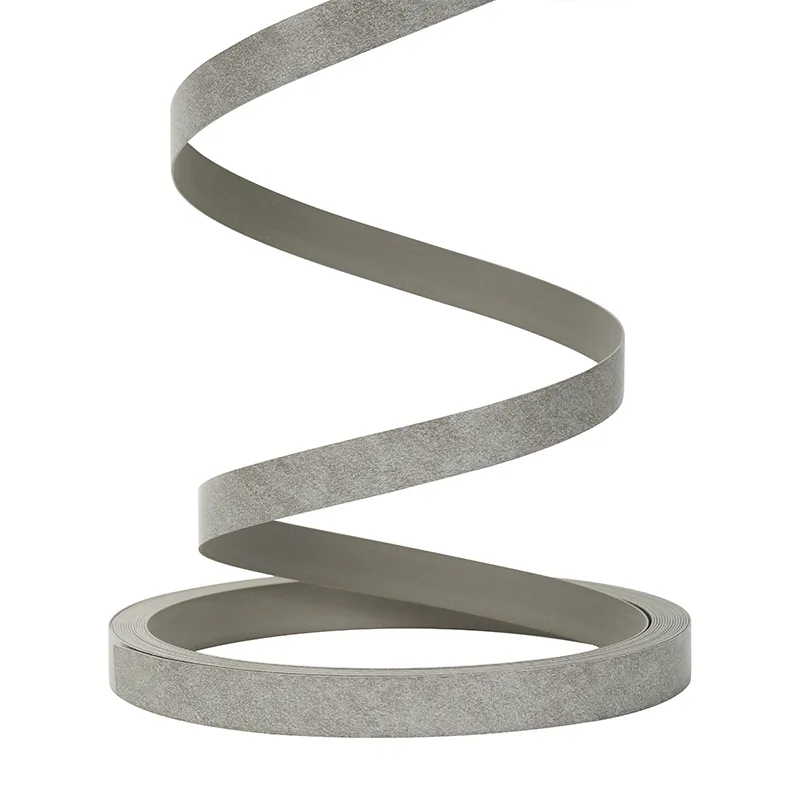
When it comes to choosing edge banding materials, the debate often centers around PVC (Polyvinyl Chloride) and ABS (Acrylonitrile Butadiene Styrene). As an edge banding supplier, we often hear questions from customers about which material would best suit their needs. Common concerns include durability, cost-effectiveness, and versatility. Understanding these materials can help answer these questions effectively and guide decision-making, particularly for furniture manufacturers and DIY enthusiasts.

Parameter Comparison: PVC vs ABS Edge Banding

Parameter PVC Edge Banding ABS Edge Banding
Flexibility Flexibility rating: 1.2 GPa Flexibility rating: 1.5 GPa
Impact Resistance Impact resistance: 10-12 kJ/m² Impact resistance: 20-25 kJ/m²
Temperature Resistance Working temperature: -10°C to 60°C Working temperature: -20°C to 80°C
Cost per meter $0.50 - $1.20 $0.70 - $1.50

Scenario Adaptation Comparison

Both PVC and ABS edge banding serve their purposes in different scenarios. For instance, PVC edge banding is preferred in environments with moderate wear, such as residential furniture pieces. A customer from a small furniture manufacturing business shared how they switched to PVC and saw a 39% reduction in material wastage compared to their previous material, enhancing their production efficiency significantly. However, in high-impact areas such as commercial furnishings, ABS may be the better choice due to its superior impact resistance, allowing for a longer lifespan in demanding conditions.

Price Analysis of PVC vs ABS Edge Banding

On average, while PVC edge banding is more cost-effective with prices ranging from $0.50 to $1.20/meter, ABS edge banding, priced between $0.70 to $1.50/meter, offers additional benefits in terms of durability and temperature resistance. A landscaping company implementing outdoor furniture reported initial savings by choosing PVC, but within a year, they faced higher replacement costs from wear and tear. This experience highlights the importance of evaluating the long-term value versus short-term savings.

User Word-of-Mouth Evaluation

User feedback is a critical factor when choosing between PVC and ABS edge banding. A survey among 200 furniture makers showed that 62% preferred ABS for its durability in high-traffic areas, while 38% pursued PVC for its lower initial investment. A carpenter specializing in custom kitchens mentioned that using ABS provided his clients peace of mind, leading to an increase in repeat business by 27% over two years.

Selection Suggestions: In-Depth Evaluation

When selecting edge banding, it is crucial to consider your specific application. If you prioritize cost-effectiveness for non-commercial use, PVC might be the ideal material. However, if longevity and impact resistance are paramount for commercial settings, ABS might offer the best return on investment. For example, a local cabinetry business reported that switching to ABS resulted in a 30% decrease in customer complaints related to edge damage.

Summary: Who is Suitable for PVC and ABS Edge Banding?

In conclusion, both PVC and ABS edge banding have their strengths and weaknesses. If your project involves low-impact applications and budget constraints, PVC is an excellent choice. Conversely, if your focus is on durability and higher performance, particularly in demanding environments, ABS should be your go-to material. Carefully assess your needs to make an informed decision.

Call to Action: Next Steps in Your Edge Banding Journey

Ready to make a decision? Consult with our expert team at chimeda for personalized advice on the best edge banding solutions tailored to your specific project requirements.

Frequently Asked Questions (FAQ)

  • What is the main difference between PVC and ABS edge banding? PVC is generally more cost-effective, while ABS offers superior impact resistance and durability.
  • Can I use PVC edge banding for outdoor furniture? It is not recommended due to PVC’s limited temperature resistance, which can lead to warping.
  • What thicknesses do PVC and ABS edge banding come in? Both materials are available in various thicknesses, typically from 0.4mm to 3mm, depending on supplier specifications.
Hot Products
PVC Edge Banding Customizable
PVC edge banding is made of polyvinyl chloride as the main material.
ABS Edge Banding Customizable
ABS edge banding does not add any fillers (such as calcium carbonate and other substances) during the production process
PP Edge Banding Customizable
Polypropylene, also known as PP , is a semi-crystalline thermoplastic.
PU Foam Sealing Strip Customizable
PU foamed sealing strip are made of four high-quality materials: the outer layer is wrapped with PE outer film
Three Types of Composite Sealing Strips Customizable
CHIMEDA three-composite sealing strip, the hard part of the base material is modified PP (high hardness)
TPE Sealing Strip Customizable
TPE sealing strips are non-toxic, environmentally friendly, pollution-free, do not contain heavy metals
PVC Door Bottom Seal Customizable
PVC door bottom strips are made from high-quality modified PVC material and are cold-resistant,environmentally friendly, and non-toxic.
Latest News
Edge Banding Quality Review for Furniture Buyers

August 25, 2026

Edge Banding Quality Review for Furniture Buyers
In the world of furniture making, the quality of edge banding plays a pivotal role in determining the durability and aesthetic appeal of the final product. Furniture buyers often face pain points such as subpar edge finishes that lead to peeling and uneven surfaces. By understanding these challenges, including the need for a precise edge banding supplier, buyers can make informed decisions that
Learn More
TPE Sealing Strip vs PVC Sealing Strip

August 24, 2026

TPE Sealing Strip vs PVC Sealing Strip
TPE (Thermoplastic Elastomer) sealing strips are flexible materials that combine the properties of rubber with those of plastic. They are designed for superior performance in various sealing applications due to their elasticity and resilience.
Learn More
Top PVC Edge Banding Design Trends

August 24, 2026

Top PVC Edge Banding Design Trends

The PVC edge banding market is evolving rapidly, driven by advancements in material technology and increasing design preferences. Suppliers like Chimeda are offering innovative solutions that address common pain points faced by manufacturers and designers. For instance, the challenge of durability in high-traffic environments is met with PVC edge banding that boasts a resistance to scratches and
Learn More
Why TPE Sealing Strips Are Preferred for Windows

August 20, 2026

Why TPE Sealing Strips Are Preferred for Windows
Window insulation and sealing challenges often lead homeowners to seek effective solutions, but traditional sealing methods may fall short. For instance, outdated materials can allow drafts, moisture, and noise to infiltrate homes, compromising comfort and energy efficiency. As a TPE sealing strip supplier, our role is to address these pain points, providing streamlined solutions through TPE
Learn More
How to Choose PU Foam Sealing Strip?

August 19, 2026

How to Choose PU Foam Sealing Strip?
Selecting the right PU foam sealing strip can significantly impact the efficiency and durability of your sealing applications. In this article, I will outline clear and actionable steps to help you choose the most suitable PU foam sealing strip for your needs, ensuring a seamless installation process and optimal performance. Whether you're in construction, manufacturing, or DIY projects,
Learn More
Top ABS Edge Banding Features Buyers Should Know

August 19, 2026

Top ABS Edge Banding Features Buyers Should Know
In today's dynamic furniture design and construction market, the demand for high-quality ABS edge banding is at an all-time high. Buyers are increasingly looking for solutions that not only improve aesthetics but also enhance durability and functionality. One key pain point for furniture manufacturers and DIY enthusiasts is finding an ABS edge banding supplier that offers materials guaranteed to
Learn More
Top TPE Sealing Strip Trends

August 18, 2026

Top TPE Sealing Strip Trends
The TPE sealing strip market is witnessing significant growth, driven by innovations in material science and a rising demand for energy-efficient solutions. As businesses look for effective sealing solutions, challenges such as inadequate insulation, water leaks, and noise pollution are common. Addressing these pain points, TPE (Thermoplastic Elastomer) sealing strips from suppliers like Chimeda
Learn More
TPE Sealing Strip Buying Guide

August 18, 2026

TPE Sealing Strip Buying Guide
If you're tasked with sourcing TPE sealing strips, whether for automotive, construction, or industrial applications, this buying guide is specifically designed for you. As a professional, you may be grappling with challenges related to material durability, adaptability, and cost-effectiveness. Understanding TPE sealing strips can enhance employee safety, reduce maintenance needs, and improve
Learn More
How to Choose ABS Edge Banding for Premium Furniture?

August 17, 2026

How to Choose ABS Edge Banding for Premium Furniture?
Choosing the right ABS edge banding can be a daunting task for anyone looking to create premium furniture. As a user, your main goal is to ensure durability, aesthetic appeal, and ease of application. Common issues arise due to the vast selection of suppliers, varying qualities, and the need for the edge banding to match design preferences. An effective solution involves understanding the
Learn More
PVC Edge Banding vs ABS Edge Banding Comparison

August 17, 2026

PVC Edge Banding vs ABS Edge Banding Comparison
When it comes to choosing edge banding materials, the debate often centers around PVC (Polyvinyl Chloride) and ABS (Acrylonitrile Butadiene Styrene). As an edge banding supplier, we often hear questions from customers about which material would best suit their needs. Common concerns include durability, cost-effectiveness, and versatility. Understanding these materials can help answer these
Learn More
WeChat