Blog
Blog
August 05, 2026
PVC edge banding has become an essential element in furniture manufacturing and home improvement due to its durability and aesthetic appeal. However, without proper maintenance, it can wear down over time, leading to peeling and an unappealing appearance. If you're facing issues with the longevity of your furniture’s PVC edge banding, this article provides actionable maintenance tips to enhance its durability and appearance. With regular upkeep, you can prevent costly repairs and prolong the lifespan of your furniture. According to a study by the Furniture Manufacturers Association, 75% of furniture wear can be attributed to inadequate maintenance practices.
Quick answer to "why": Regular cleaning removes dirt and grime that can degrade material integrity.
To maintain the appearance and longevity of your PVC edge banding, clean it regularly using a soft cloth and a mild detergent solution. Avoid abrasive cleaners that may scratch the surface. Gently wipe down the edges and surfaces, ensuring no residues or moisture are left behind.
Suitable for: All users who want to maintain their furniture's original look and resilience.
Quick answer to "why": Early detection of damage can prevent larger repair issues down the line.
Schedule regular inspections every six months to check for signs of wear and tear, such as peeling or cracking. If any damage is found, address it immediately by applying edge banding adhesive or considering replacement if the damage is extensive.
Suitable for: DIY enthusiasts and furniture owners wanting to take proactive steps in maintenance.
Quick answer to "why": Heat can reactivate the adhesive properties, allowing for easy repositioning.
If your PVC edge banding starts to lift, carefully use a heat gun to reactivate the adhesive. Warm the area gently and press it back into place. Be cautious to not overheat, as this may warp the material.
Suitable for: Users comfortable with DIY home repairs looking for efficient fixes.
Quick answer to "why": Prolonged moisture exposure can lead to mold growth and deterioration of the edge banding material.
Ensure that your furniture is placed in a dry environment and avoid using excess water when cleaning. If moisture spills occur, wipe them up immediately to prevent penetration into the edge banding material.
Suitable for: Homeowners in humid climates or those with high moisture exposure in their environment.
Quick answer to "why": Professionals have access to specialized tools and techniques that can revive damaged edge banding.
If your PVC edge banding is significantly damaged, consider seeking professional restoration services. Experts from companies like chimeda can efficiently replace or repair edge banding using high-quality materials ensuring a perfect finish.
Suitable for: Users managing more extensive damage or those seeking to refresh older furniture pieces.
Maintaining PVC edge banding is crucial for preserving the integrity and aesthetics of your furniture. Regular cleaning, damage inspection, careful use of heat applications, moisture management, and professional restoration are essential practices to enhance durability and prolong usage. Implementing these tips will not only keep your furniture looking new but also save you from costly repairs.
PVC edge banding is a thin strip of PVC material used to cover the exposed edges of furniture panels for protection and aesthetics.
With proper maintenance, PVC edge banding can last anywhere from 5 to 15 years, depending on usage and environmental factors.
Yes, with the right tools and materials, such as adhesive and a utility knife, you can replace damaged edge banding yourself; however, professional assistance may be best for extensive repairs.


August 10, 2026
Edge Banding Thickness Guide: 0.4mm to 3mm
August 10, 2026
Tips for Applying Edge Banding Without Peeling
August 10, 2026
Why PVC Door Bottom Seals Improve Soundproofing
August 10, 2026
PP Edge Banding Product Review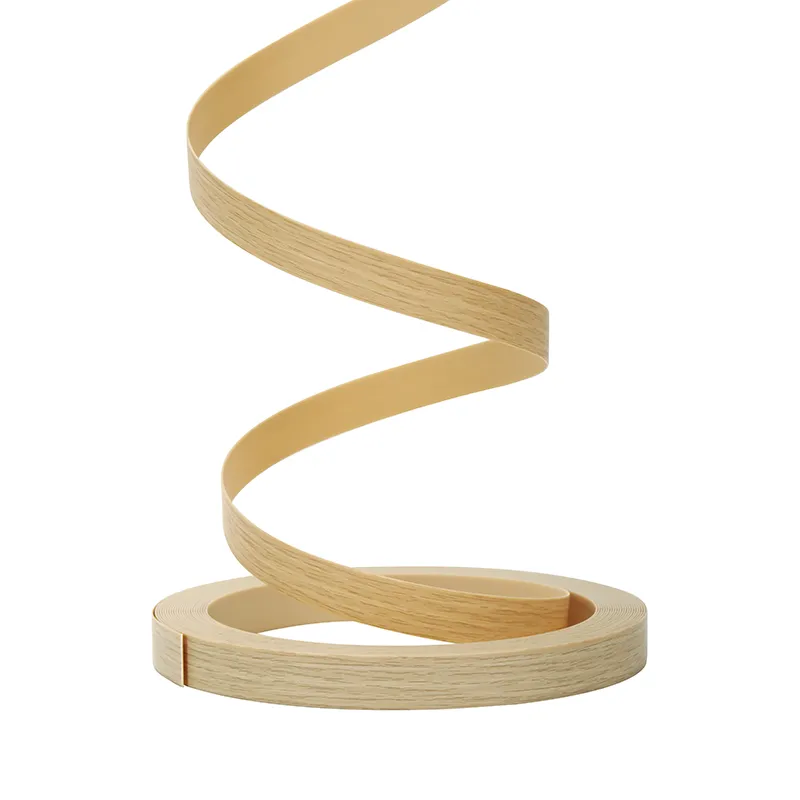
August 10, 2026
Table PVC Edge Banding Benefits for Daily Use Furniture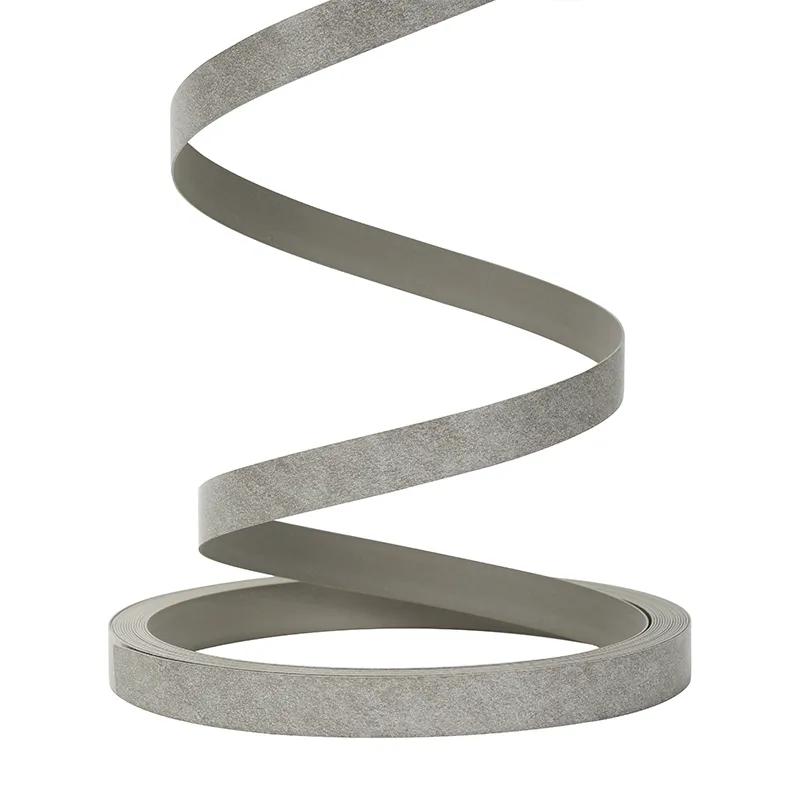
August 10, 2026
High Gloss Edge Banding vs Matte Edge Banding: What’s the Difference?
August 07, 2026
PVC Edge Banding vs Melamine Edge Banding
August 07, 2026
Tips for Processing ABS Edge Banding
August 07, 2026
PVC Door Bottom Seal Buying Guide
August 07, 2026
Cabinet PVC Edge Banding Applications in Kitchen Design