Blog
Blog
August 05, 2026
In the ever-evolving world of furniture manufacturing, choosing the right materials is crucial to ensure quality and durability. This PVC edge banding buying guide will navigate furniture factories through the selection process. With a focus on factors such as material type, adhesive compatibility, and installation techniques, this guide aims to empower manufacturers with the knowledge needed for informed decisions that enhance their products' aesthetics and functionality.
What is PVC Edge Banding?
PVC (Polyvinyl Chloride) edge banding is a decorative strip of PVC material that is applied to the exposed edges of particleboard or MDF (Medium Density Fiberboard) panels to provide a clean finish and protect against moisture and wear.
Why Choose PVC?
PVC edge banding is popular due to its affordability, ease of installation, versatility in design, and resistance to water and chemical damage, making it ideal for furniture applications.
Material Thickness
Choosing the right thickness is vital for durability and aesthetic appeal; standard thickness ranges from 0.4mm to 3mm.
Width Compatibility
Ensure the edge banding width matches your board edges for a seamless finish, typically ranging from 10mm to 100mm.
Color and Texture Availability
Select colors and finishes that complement your furniture designs. Look for suppliers with a broad color range, including matte, gloss, and wood-like finishes.
Adhesive Type
Different adhesives work better with various materials; consider PUR (Polyurethane Reactive) or EVA (Ethylene Vinyl Acetate) for bonding.
Heat and Cold Resistance
Evaluate the edge banding’s performance in extreme temperatures to ensure longevity, especially for products used in diverse environments.
Wholesale Suppliers
Consider sourcing from well-established wholesale suppliers that offer bulk purchases for better pricing.
Online Retailers
Utilize online platforms like Amazon or dedicated industry websites for a wide selection and competitive prices. Check reviews and ratings for reliability.
Local Distributors
Visit local distributors for personalized service, immediate availability, and advice tailored to your specific needs.
Preparation of the Surface
Ensure the edges of the panels are clean, smooth, and free from dust to achieve optimal adhesion.
Using a Hot Air Gun
Employ a hot air gun for heating the edge banding during application to ensure a strong bond; follow manufacturer's instructions for temperature settings.
Trimming and Finishing
After adhesive cures, trim excess banding using a trimmer or utility knife for a neat finish, then sand down any rough edges.
Budgeting for Material Costs
Estimate your annual usage to determine budget; bulk purchasing may lower costs per unit.
Evaluating Supplier Pricing
Compare prices from multiple suppliers, factoring in shipping costs and minimum order quantities.
Calculating Total Cost of Ownership
Include not just the purchase price but also installation and maintenance costs. Look for materials with long-lasting durability to minimize future expenses.
In summary, choosing the right PVC edge banding is essential for furniture manufacturers looking to enhance their product offerings. By considering factors such as material thickness, adhesive types, supplier options, and installation techniques, factories can make informed decisions that lead to higher quality furniture. Implement the steps outlined in this guide to boost your manufacturing process and stay competitive in the market.
Maintaining Equipment
Regularly service edge banding application machinery to ensure consistent results and reduce downtime caused by equipment failure.
Staying Updated on Trends
Keep an eye on emerging trends in edge banding designs and materials to meet changing consumer preferences.


August 10, 2026
Edge Banding Thickness Guide: 0.4mm to 3mm
August 10, 2026
Tips for Applying Edge Banding Without Peeling
August 10, 2026
Why PVC Door Bottom Seals Improve Soundproofing
August 10, 2026
PP Edge Banding Product Review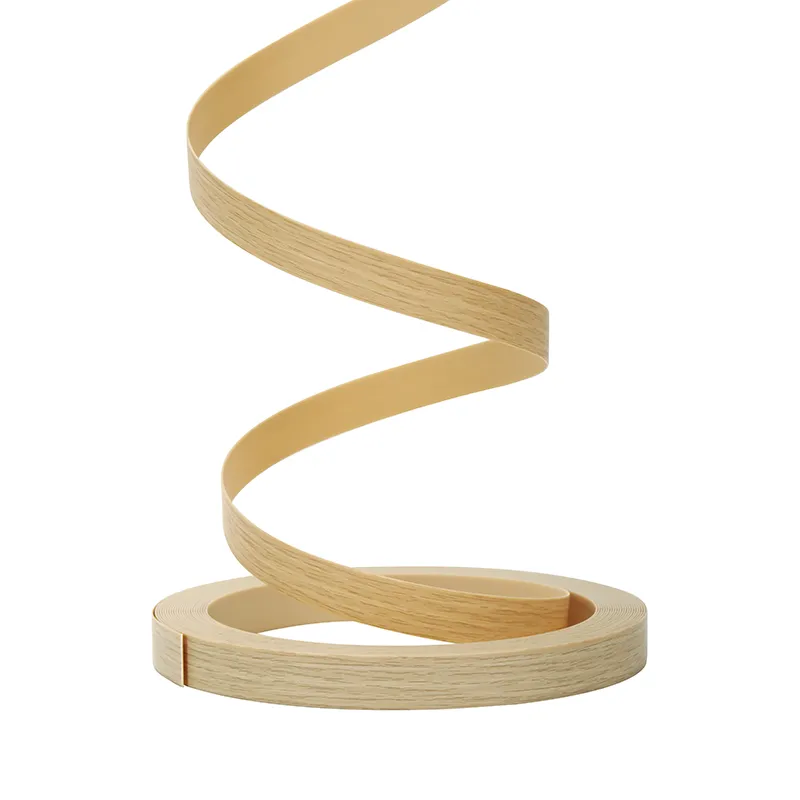
August 10, 2026
Table PVC Edge Banding Benefits for Daily Use Furniture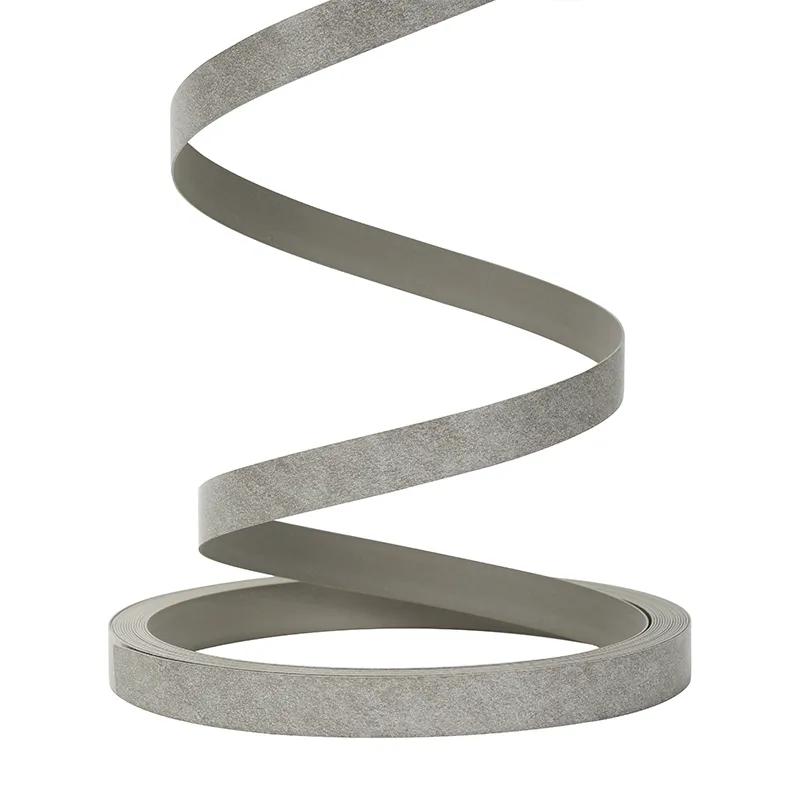
August 10, 2026
High Gloss Edge Banding vs Matte Edge Banding: What’s the Difference?
August 07, 2026
PVC Edge Banding vs Melamine Edge Banding
August 07, 2026
Tips for Processing ABS Edge Banding
August 07, 2026
PVC Door Bottom Seal Buying Guide
August 07, 2026
Cabinet PVC Edge Banding Applications in Kitchen Design