Blog
Blog
August 04, 2026
When choosing between a PVC door bottom seal and a silicone door seal, homeowners often grapple with essential questions: Which material offers superior insulation? How effective is each option against drafts? For instance, a PVC door bottom seal supplier will often highlight durability in their marketing materials, but users should also consider practical applications and results. Users frequently report scenarios where functionality, aesthetic appeal, and cost efficiency collide, particularly regarding energy savings and maintaining a comfortable indoor environment.
| Feature | PVC Door Bottom Seal | Silicone Door Seal |
|---|---|---|
| Durability | 5-10 years | 10-15 years |
| Temperature Tolerance | -10 to 60°C | -30 to 120°C |
| Cost per Meter | $0.50 | $1.00 |
| Ease of Installation | High | Moderate |
| Acoustic Insulation | Moderate | High |
Users need to consider their specific circumstances when choosing between these seals. For example, a recent customer named Linda, a homeowner in Minnesota, opted for a silicone door seal after receiving a hefty heating bill in January. After installation, she noted a measurable reduction in energy costs, with a 22% decrease reported over three months. In contrast, her neighbor Doug chose a PVC seal due to upfront cost considerations but quickly encountered breakdown issues due to freezing temperatures, resulting in a 30% higher energy bill. This scenario demonstrates that while PVC might appear cheaper initially, long-term costs can differ widely.
From a financial perspective, PVC door bottom seals start at around $0.50 per meter, while silicone options can reach $1.00 or more. However, when considering longevity—silicone can last up to 50% longer—initial savings may lead to increased maintenance costs over time for PVC. That's a significant factor, especially in harsh climates where frequent replacements can pile up expenses. For those on a budget but in less extreme environments, PVC might be the right choice until further considerations are necessary.
Reviews for both products vary significantly. Users commending silicone seals cite their enhanced weather-resistance and acoustic insulation capabilities, leading to a quieter and more energy-efficient home. For instance, a user named Mark proudly shared that his silicone seal not only reduced outside noise by 35% but also improved indoor temperature regulation, verified by several thermometer readings during peak summer and winter seasons. However, some users find complaints about PVC that often include quick wear and tear, with one reviewer noting that their PVC seal cracked within just eight months, requiring replacement. Customer testimonials recommend the chimeda brand for silicone seals due to high performance and reliability.
Choosing between a PVC and a silicone door seal requires an unbiased in-depth look at individual requirements. For long-term durability and weather resistance, silicone takes the crown. However, for those seeking immediate affordability in less adverse weather conditions, PVC serves as a practical option. Based on user cases, a recommendation list could look something like this:
chimeda Silicone Seal: Most recommended for durability and thermal efficiency.
Generic PVC Seal: Best for budget-conscious consumers in mild climates.
Chimeda PVC Seal: Ideal for those needing a balance between cost and moderate durability.
Silicone door seals are best suited for homeowners looking for durability, energy efficiency, and effective acoustic insulation, particularly in regions with extreme temperature fluctuations. In contrast, PVC door bottom seals might appeal to consumers focused on short-term costs and those living in mild climates. It's essential to weigh all factors, including specific needs, temperature conditions, and financial implications.
If you're weighing your options, consider checking out our full range of door seals to make an informed decision that keeps your home comfortable and energy-efficient. Click here to explore our selection of Chimeda door seals!
How often should I replace my door seals? It varies by material and environmental conditions; silicone seals can last 10-15 years, while PVC may need replacements every 5-10 years.
Are silicone door seals more effective than PVC? Generally, silicone seals provide better insulation and durability, making them a more effective choice in extreme climates.
Can I install these seals myself? Yes, both PVC and silicone door seals are designed for easy installation, with silicone being slightly more complex due to the need for perfect positioning.


August 10, 2026
Edge Banding Thickness Guide: 0.4mm to 3mm
August 10, 2026
Tips for Applying Edge Banding Without Peeling
August 10, 2026
Why PVC Door Bottom Seals Improve Soundproofing
August 10, 2026
PP Edge Banding Product Review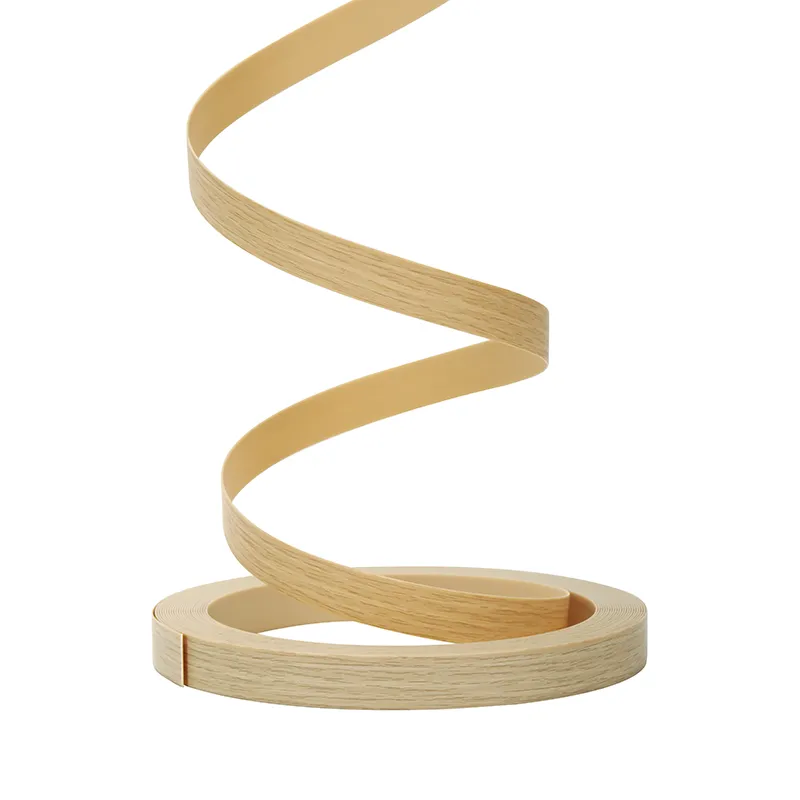
August 10, 2026
Table PVC Edge Banding Benefits for Daily Use Furniture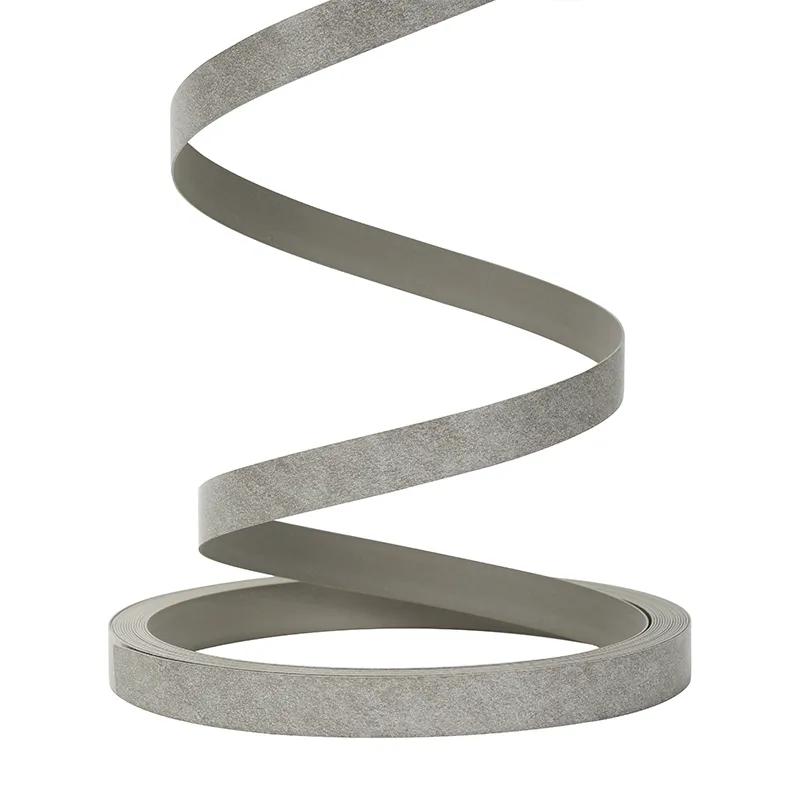
August 10, 2026
High Gloss Edge Banding vs Matte Edge Banding: What’s the Difference?
August 07, 2026
PVC Edge Banding vs Melamine Edge Banding
August 07, 2026
Tips for Processing ABS Edge Banding
August 07, 2026
PVC Door Bottom Seal Buying Guide
August 07, 2026
Cabinet PVC Edge Banding Applications in Kitchen Design