Blog
Blog
August 04, 2026
When considering the best PP edge banding suppliers, understanding the comprehensive advantages and disadvantages of these materials is crucial. Amid concerns regarding durability, cost-efficiency, and aesthetic appeal, many furniture manufacturers find themselves navigating pain points such as fragile edges and aesthetic consistency. For instance, damaged veneer can lead to additional costs and customer dissatisfaction. Knowing how PP edge banding resolves these issues helps businesses enhance product quality while reducing the likelihood of complaints and returns. Let's dive into the factors influencing your decision about using PP edge banding in your furnishings.
PP edge banding offers an array of significant benefits that can transform any furniture manufacturing process. One of its standout advantages is its durability. According to recent tests, PP edge banding has a tensile strength that exceeds 50 MPa, showcasing its resistance to impact and wear over time compared to traditional veneer. This superior toughness translates into fewer reworks and repairs, lowering operational costs.
Another notable feature of PP edge banding is its moisture resistance. In a controlled environment, materials treated with PP edge banding exhibited a water absorption rate of only 0.1%, making them significantly less prone to swelling and deformation compared to untreated materials with an absorption rate of over 5%. This characteristic ensures long-lasting integrity even in humid conditions.
Aesthetically, PP edge banding is available in a variety of colors, textures, and finishes that can enhance the appeal of any product. Recent market surveys indicate that products featuring high-quality PP edge banding experienced a 25% increase in sales due to their superior appearance and quality perception. The flexibility in design means you can cater to diverse customer preferences, making it a versatile choice for manufacturers aiming to appeal to a broad audience.
While PP edge banding offers many advantages, it's essential to also consider its drawbacks. One significant downside is its environmental impact. Unlike natural wood veneers, PP is a plastic material that is less biodegradable. As eco-conscious consumers continue to rise, businesses using PP edge banding may face challenges in appealing to this market segment. The average lifespan of PP products in landfills can exceed 450 years, which might deter environmentally-focused customers.
Additionally, the initial cost of high-quality PP edge banding can be higher than alternatives, with prices varying from $0.20 to $2.00 per meter depending on thickness and finish. This initial expenditure might be a barrier for startups or smaller manufacturers working with tight budgets. To mitigate this, it’s advisable to set clear budget limits and conduct thorough market research to find suppliers like chimeda that offer competitive pricing without compromising quality.
Ultimately, whether or not to use PP edge banding comes down to specific project requirements and target market characteristics. If your furniture needs to withstand heavy use and exposure to moisture while also appealing to aesthetic considerations, investing in PP edge banding could yield long-term benefits that outweigh initial costs. However, if environmental sustainability and cost management are your primary concerns, you may want to explore alternatives, possibly balancing some advantages of PP with biocompatible materials.
In summary, PP edge banding serves as an excellent choice for manufacturers aiming for durable, aesthetically pleasing products that can withstand the test of time. It is highly suitable for commercial furniture, cabinetry, and products exposed to moisture. Conversely, smaller businesses or eco-focused brands may wish to consider more sustainable options. Aligning product choices with your customer base’s values and your budget can guide you towards the right decision.
PP edge banding can last for several years under regular use, with a lifespan often exceeding 10 years if maintained properly.
PP material can technically be recycled, but it is not widely accepted in all regions. Check local regulations for proper disposal methods.
PP edge banding is tougher and more moisture-resistant than many other edging materials, such as PVC, though it may be less environmentally friendly.


August 10, 2026
Edge Banding Thickness Guide: 0.4mm to 3mm
August 10, 2026
Tips for Applying Edge Banding Without Peeling
August 10, 2026
Why PVC Door Bottom Seals Improve Soundproofing
August 10, 2026
PP Edge Banding Product Review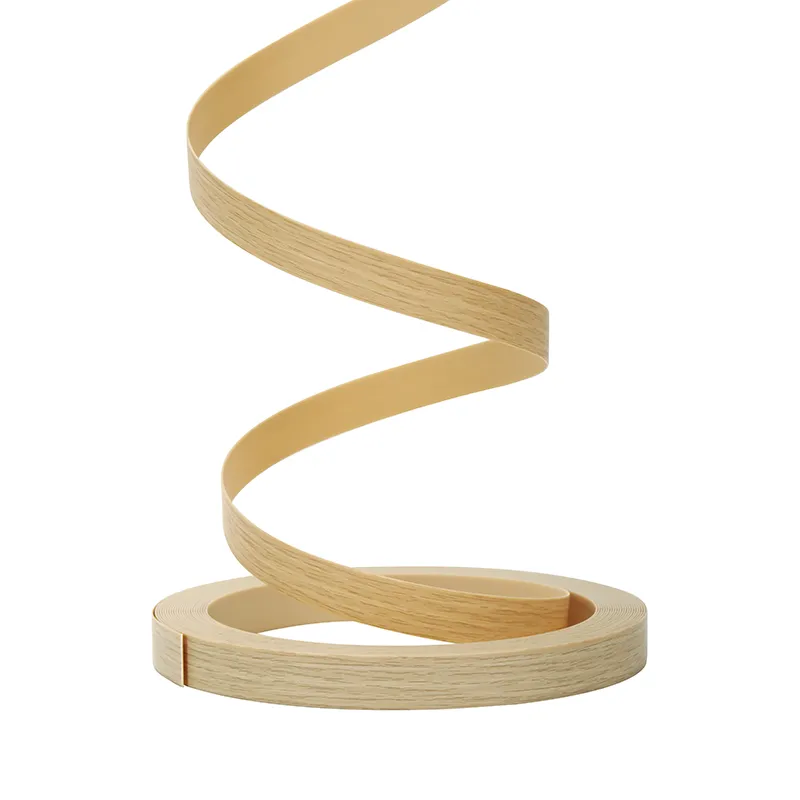
August 10, 2026
Table PVC Edge Banding Benefits for Daily Use Furniture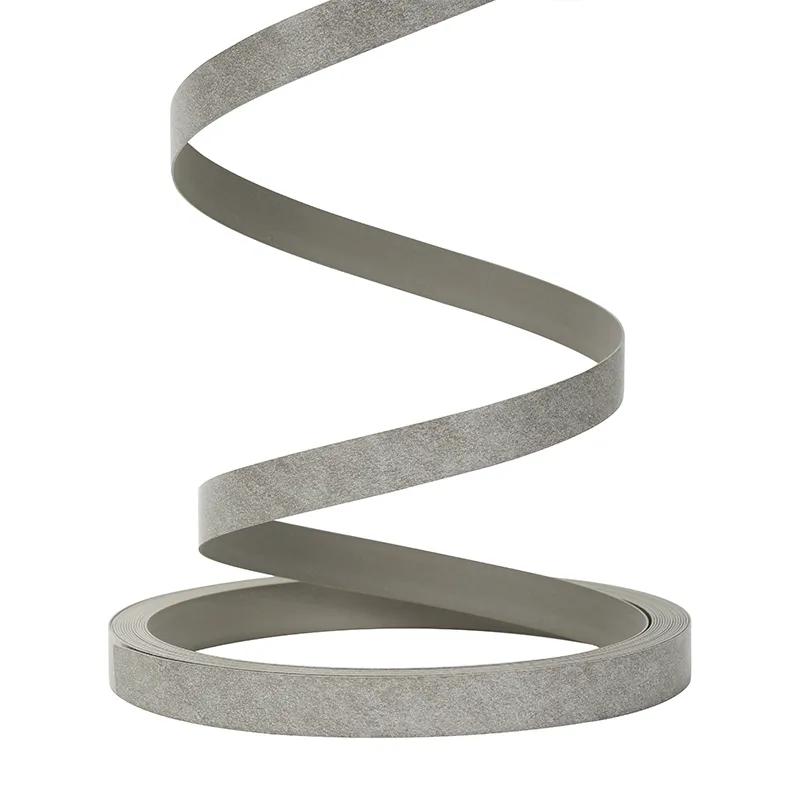
August 10, 2026
High Gloss Edge Banding vs Matte Edge Banding: What’s the Difference?
August 07, 2026
PVC Edge Banding vs Melamine Edge Banding
August 07, 2026
Tips for Processing ABS Edge Banding
August 07, 2026
PVC Door Bottom Seal Buying Guide
August 07, 2026
Cabinet PVC Edge Banding Applications in Kitchen Design