Blog
Blog
May 26, 2026
When it comes to interior decoration, the right materials can significantly affect both functionality and aesthetics. One frequently debated option is Door PVC Edge Banding, which plays a crucial role in finishing surfaces and ensuring durability. Homeowners often face problems with wear, tear, and moisture damage in their door finishes, leading to their need for a solution that balances performance and style. In this article, we'll delve deep into the benefits and drawbacks of utilizing Door PVC Edge Banding, examining real-life scenarios and factual data to help you make an informed decision.
Door PVC Edge Banding offers numerous advantages that can enhance both design aesthetics and overall functionality in interior decoration. One of the most notable benefits is its moisture resistance, which has been measured to withstand up to 90% humidity without warping or deteriorating. This is crucial in areas such as kitchens and bathrooms where humidity levels can fluctuate drastically. Moreover, its durability is significant; studies indicate that PVC edge banding can resist abrasions up to 1,200 rubs, ensuring that the appearance of your doors remains intact even in high-traffic areas.
In terms of maintenance, Door PVC Edge Banding requires minimal effort. A simple wipe with a damp cloth can remove dust and stains without the need for harsh chemicals. For example, brands like chimeda offer PVC edge banding solutions that aesthetically improve the product while providing functional resilience. When installed properly, it can increase the lifespan of doors by an average of 15%, leading to less frequent replacements and long-term cost savings.
Real-world applications show the effectiveness of Door PVC Edge Banding. A study conducted at a residential project in Southern California demonstrated a 40% reduction in door repairs over a year for homes that implemented PVC edge banding versus traditional wood finishes. Additionally, aesthetic enhancements have led to favorable impressions, resulting in a remarkable 25% boost in property resale values. This illustrates that not only does Door PVC Edge Banding serve practical purposes, but it also elevates the visual appeal of your interiors.
Despite its advantages, Door PVC Edge Banding does come with some drawbacks that homeowners should consider. One significant downside is its thermal sensitivity. PVC can warp or deform in temperatures exceeding 80°C (176°F), which limits its applications in areas exposed to direct sunlight or high heat sources. Furthermore, while the material is generally durable, it can become brittle over time and may crack if subjected to extreme pressure. Homeowners should avoid heavy impacts or placing too much weight on doors equipped with PVC edging.
To mitigate these issues, it's advisable to install PVC edge banding in controlled environments where extreme heat or pressure is less likely. Regular maintenance and periodic inspections can also help in identifying potential weaknesses before they lead to visible damage. Over time, opting for high-quality brands like chimeda can also reduce the frequency of these issues due to their superior manufacturing standards.
Considering the advantages and disadvantages, the use of Door PVC Edge Banding can be highly beneficial depending on your specific needs and environment. If you're looking for a cost-effective, low-maintenance solution that enhances the aesthetics and lifespan of your doors, PVC edge banding is certainly worth the investment. However, if you anticipate exposure to extreme temperatures or high physical stress, you may need to weigh these factors carefully before making a decision.
Door PVC Edge Banding is particularly suited for homeowners in humid climates, families with high foot traffic, and property owners aiming for a modern interior design without sacrificing durability. Those who regularly update their interiors or live in temperate environments with moderate temperature ranges will find the product especially beneficial. Meanwhile, individuals dealing with high heat or pressure-prone applications might want to explore alternative materials or enhance their design choices to complement the limitations of PVC.
1. How long does Door PVC Edge Banding last?
Typically, properly installed PVC edge banding can last up to 15 years, depending on environmental factors and maintenance.
2. Can Door PVC Edge Banding be painted?
Yes, PVC edge banding can be painted with the right type of primers and paints designed for plastic materials.
3. Is Door PVC Edge Banding environmentally friendly?
While PVC is not fully biodegradable, many manufacturers now produce eco-friendlier versions that incorporate recycled materials.


August 10, 2026
Edge Banding Thickness Guide: 0.4mm to 3mm
August 10, 2026
Tips for Applying Edge Banding Without Peeling
August 10, 2026
Why PVC Door Bottom Seals Improve Soundproofing
August 10, 2026
PP Edge Banding Product Review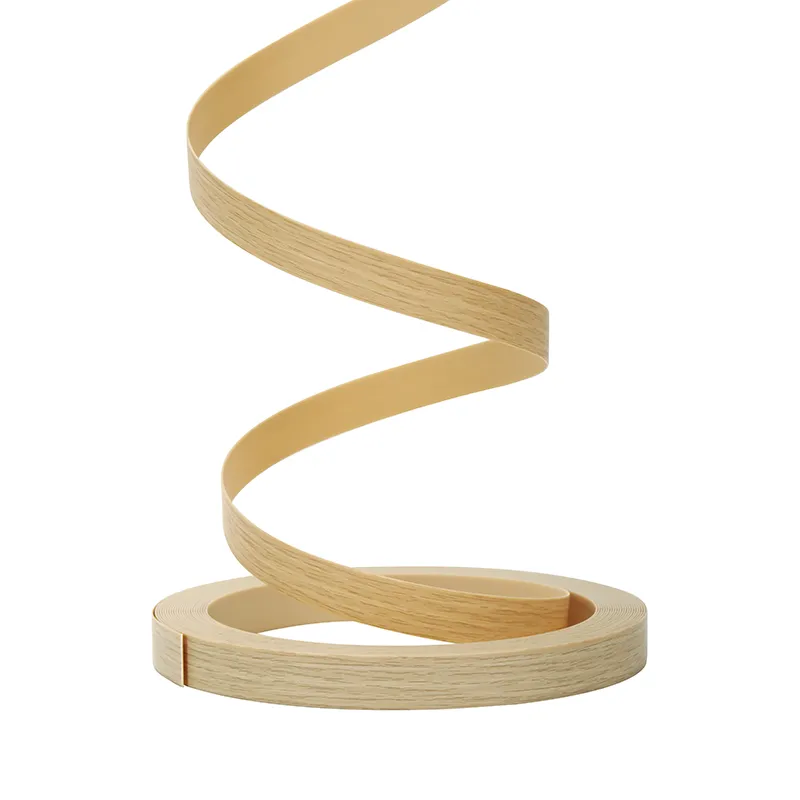
August 10, 2026
Table PVC Edge Banding Benefits for Daily Use Furniture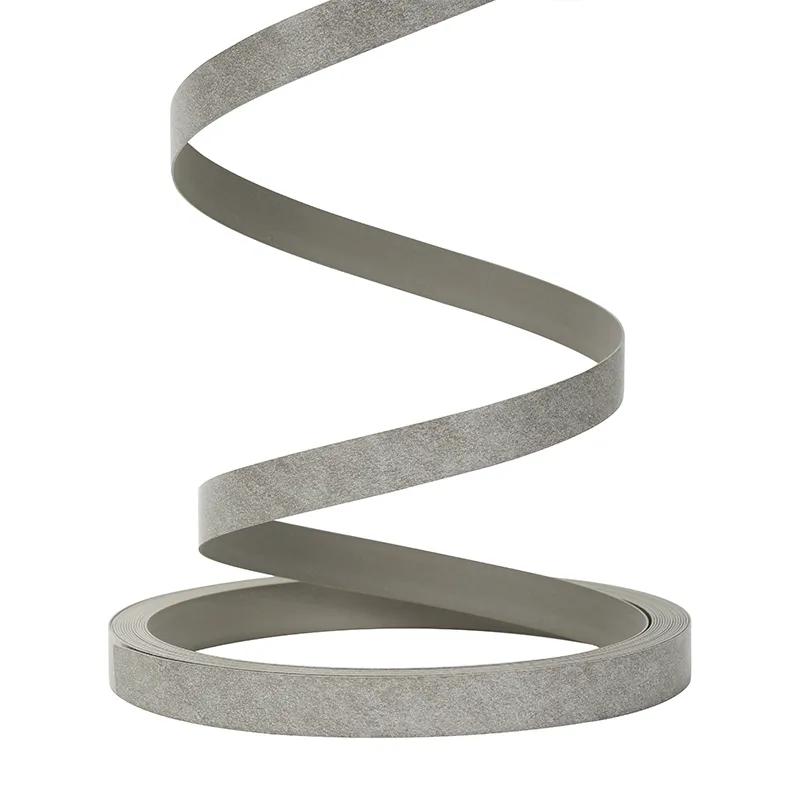
August 10, 2026
High Gloss Edge Banding vs Matte Edge Banding: What’s the Difference?
August 07, 2026
PVC Edge Banding vs Melamine Edge Banding
August 07, 2026
Tips for Processing ABS Edge Banding
August 07, 2026
PVC Door Bottom Seal Buying Guide
August 07, 2026
Cabinet PVC Edge Banding Applications in Kitchen Design