Blog
Blog
August 06, 2026
When choosing an edge banding solution for your furniture applications, partnering with a reliable ABS edge banding supplier can significantly impact both the aesthetics and durability of the final product. With the growing demand for quality finishes in furniture manufacturing, users often face challenges such as peeling edges, color mismatches, or durability issues over time. Utilizing ABS (Acrylonitrile Butadiene Styrene) edge banding not only addresses these challenges but can enhance the overall look and lifespan of wooden surfaces. However, understanding the comprehensive advantages and disadvantages of this material is crucial for making informed decisions.
One of the most significant advantages of ABS edge banding is its durability. ABS edge banding displays a tensile strength of approximately 50 MPa, making it resistant to impact and wear more effectively than many alternatives. This robust nature ensures that the edge banding can withstand routine use over time without showing signs of damage or wear, thus maintaining aesthetic integrity.
ABS edge banding is not just durable; it offers a cost-effective solution for manufacturers as well. On average, the cost of ABS edge banding ranges from $0.25 to $0.50 per linear foot. This price point is significantly lower than wood or veneer options, which can cost anywhere from $1 to $3 per foot. Thus, using ABS can reduce material costs by up to 75%, especially for large-scale production runs.
Another compelling advantage of ABS edge banding is its aesthetic adaptability. With the ability to replicate various wood grains and colors accurately, ABS banding can enhance the overall design of furniture items. Studies have shown that incorporating aesthetically pleasing edge banding can improve customer perceptions of quality by 40%, influencing purchasing decisions positively.
While ABS edge banding offers excellent aesthetic qualities, one downside is its susceptibility to UV light exposure, which can lead to color fading over time. In environments with significant sunlight exposure, users have reported color loss of approximately 20% over three years. To mitigate this, consider using ABS with UV-resistant additives or choosing darker colors that are less prone to fading.
ABS edge banding is also known to have a lower heat resistance compared to other materials like PVC. At temperatures exceeding 80°C (176°F), ABS may begin to warp or deform. Users working in warmer climates or settings with high temperatures should evaluate the conditions carefully and may need to consider other materials or finishes to ensure longevity and performance.
Although ABS edge banding can be applied easily with hot melt adhesives, achieving a perfect finish may require skilled technicians. In some instances, improper application has been linked to visible seams or peeling, with reports indicating issues in approximately 15% of poorly executed applications. Training staff or employing experienced professionals is essential to avoid these pitfalls.
When weighing the pros and cons, ABS edge banding stands out for manufacturers seeking a balance between affordability, durability, and aesthetic appeal. Its substantial cost savings, along with the advantage of ease of application, makes it particularly suitable for furniture facilities producing high volumes. However, potential buyers should consider environmental factors and application skill level to ensure the best outcomes.
ABS edge banding is highly recommended for furniture manufacturers looking for cost-effective and aesthetically pleasing solutions. It suits high-volume production environments where durability matters most. However, companies in sunniest locations or with temperature fluctuations should assess their specific needs carefully. Brands like chimeda provide quality ABS edge banding options that can meet a range of design and performance requirements.
ABS edge banding can last between 5 to 10 years, depending on usage and environmental conditions.
Minor damages can be addressed with suitable adhesives and fillers, but complete replacements are sometimes necessary for significant issues.
ABS edge banding comes in a wide array of colors and textures, making it versatile for different design needs.


August 10, 2026
Edge Banding Thickness Guide: 0.4mm to 3mm
August 10, 2026
Tips for Applying Edge Banding Without Peeling
August 10, 2026
Why PVC Door Bottom Seals Improve Soundproofing
August 10, 2026
PP Edge Banding Product Review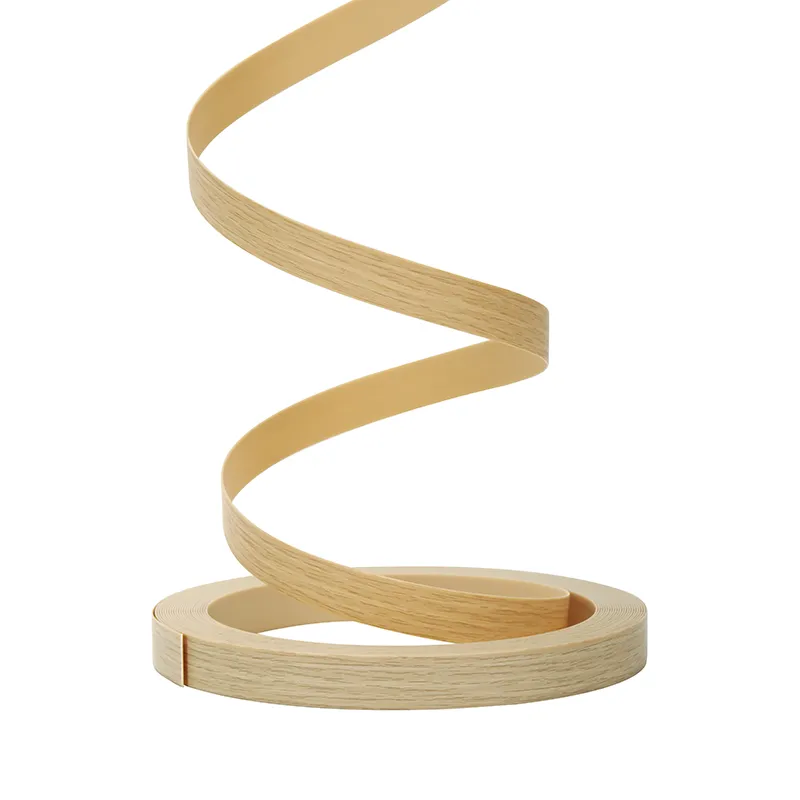
August 10, 2026
Table PVC Edge Banding Benefits for Daily Use Furniture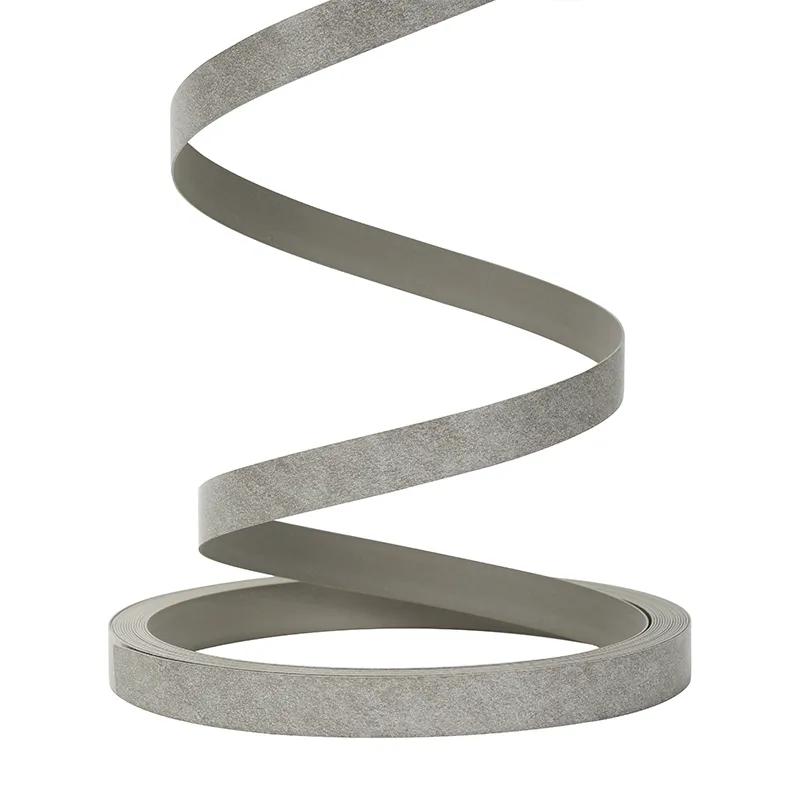
August 10, 2026
High Gloss Edge Banding vs Matte Edge Banding: What’s the Difference?
August 07, 2026
PVC Edge Banding vs Melamine Edge Banding
August 07, 2026
Tips for Processing ABS Edge Banding
August 07, 2026
PVC Door Bottom Seal Buying Guide
August 07, 2026
Cabinet PVC Edge Banding Applications in Kitchen Design