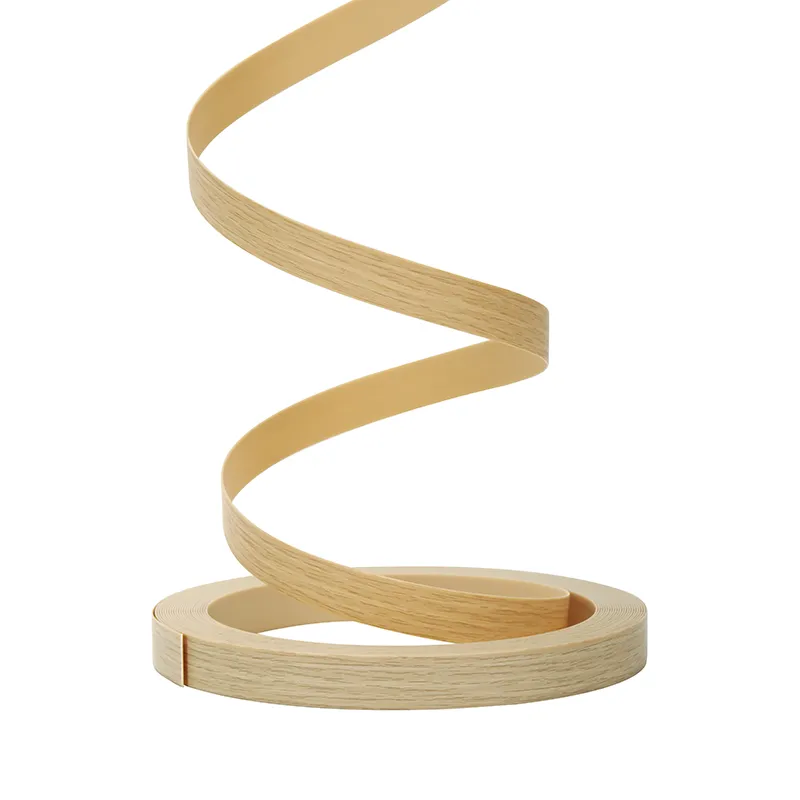
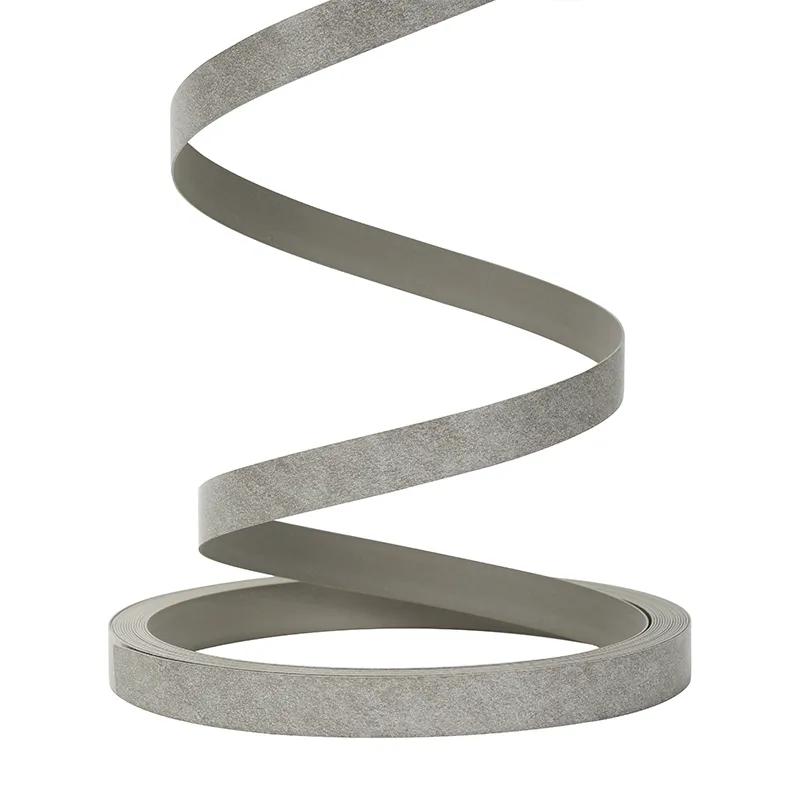
When it comes to furniture design and cabinetry, edge banding is a critical element that ensures a polished and lasting finish. Many users often find themselves asking: "What edge banding should I use for my project—PP Edge Banding or PVC edge banding?" Understanding the diverse characteristics of these materials can help alleviate concerns about durability, cost-efficiency, and maintenance in various scenarios, such as home renovations, commercial projects, or DIY endeavors.
Comparing PP Edge Banding and PVC Edge Banding: Key Parameters
| Parameter |
PP Edge Banding |
PVC Edge Banding |
| Material Composition |
Polypropylene (PP) |
Polyvinyl Chloride (PVC) |
| Thickness Range |
0.4mm to 3mm |
0.4mm to 3mm |
| Heat Resistance |
Up to 80°C |
Up to 90°C |
| Flexibility |
Moderate Flexibility |
More Flexible |
| Environmental Impact |
Recyclable |
Less Recyclable |
| Cost |
$0.25 - $1.00 per meter |
$0.40 - $1.50 per meter |
Scenario Adaptation Comparison: Which Edge Banding Suits Your Needs?
When considering your edge banding options, it's crucial to evaluate the specific scenarios in which these materials will be applied. For instance, a homeowner named Laura recently remodeled her kitchen with laminated particleboard. She opted for PP edge banding due to its eco-friendly properties and recyclability, which aligned with her sustainability goals. Laura reported achieving a sleek finish while keeping costs low—her entire project utilized about 150 meters of edge banding, concluding at $150, which was significantly lower than other finishes.
On the other hand, a commercial furniture designer, Mike, needed to ensure durability for high-traffic workspaces where desks would face daily wear and tear. He selected PVC edge banding due to its superior flexibility and resistance to higher temperatures, making it ideal for industrial settings. This decision paid off: Mike found that PVC resists scratches and maintains its appearance longer under stress, ultimately leading to fewer replacement costs.
Price Analysis on Edge Banding Solutions
Understanding the cost implications is vital for making an informed decision. PP edge banding typically costs between $0.25 to $1.00 per meter, providing an affordable option for budget-conscious customers. PVC edge banding, conversely, ranges from $0.40 to $1.50 per meter. Despite the higher cost of PVC, its durability may justify the investment for those needing long-lasting solutions.
User Word-of-Mouth Evaluation
Many users have shared their experiences regarding both types of edge banding. On forums and social media, PP edge banding users frequently highlight its eco-friendliness and ease of application, stating that it can be easily trimmed and provides clean cuts. PVC users praise its aesthetic flexibility and strong performance under varying environmental conditions but express potential concerns regarding its recyclability.
Selection Suggestions for Edge Banding
When choosing between PP and PVC edge banding, consider the following user cases and their rankings based on durability, environmental impact, and cost:
1. **PP Edge Banding**: Best for DIY projects, in-home furniture, and eco-friendly applications.
2. **PVC Edge Banding**: Ideal for commercial use, high-traffic areas, or projects that demand superior durability.
For a reliable source, many customers have turned to brands like
chimeda, known for their consistent quality and sustainable materials. Their offerings balance pricing with performance, ensuring you get the most value out of your purchase.
Summary: Who Is Suitable for Each Type of Edge Banding?
PP edge banding is suitable for environmentally conscious users, DIY furniture builders, or in situations where budgets are tight. On the contrary, PVC edge banding is ideal for businesses or individuals seeking durability and resilience in high-use environments, despite the higher cost.
Call to Action: Making Your Decision
If you're ready to make your decision, consider your project needs carefully. Analyze your budget, desired lifespan, and environmental concerns. Research options from reputable suppliers like
chimeda to ensure you make an informed choice that suits your unique edge banding requirements.
Frequently Asked Questions
1. How do I apply edge banding to my furniture?
Edge banding can be applied using adhesives, heat, or iron-on applications. Make sure to follow the product instructions for the best results.
2. Is PVC edge banding safe for food-related applications?
PVC edge banding is generally safe, but always check for compliance with safety standards, especially if used in kitchens or food services.
3. Can I paint over PP edge banding?
Yes, PP edge banding can be painted, but proper preparation and primer are essential to ensure adhesion.