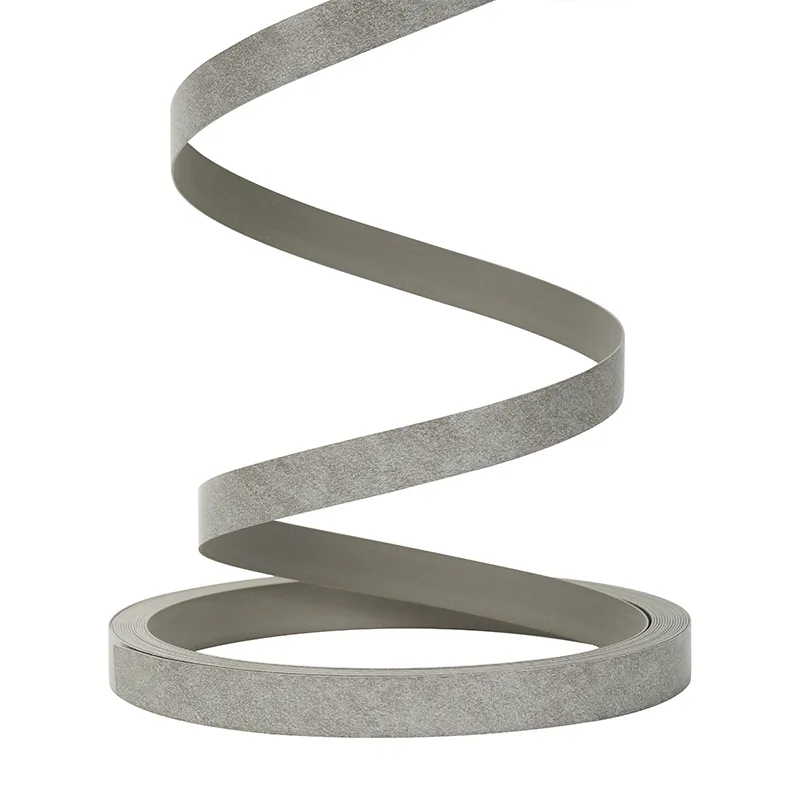
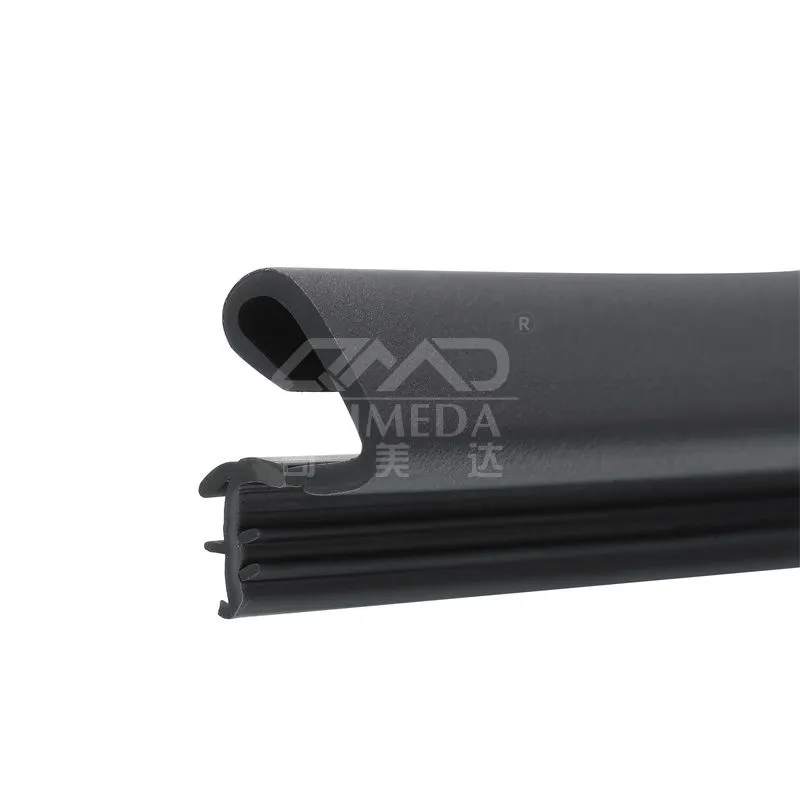
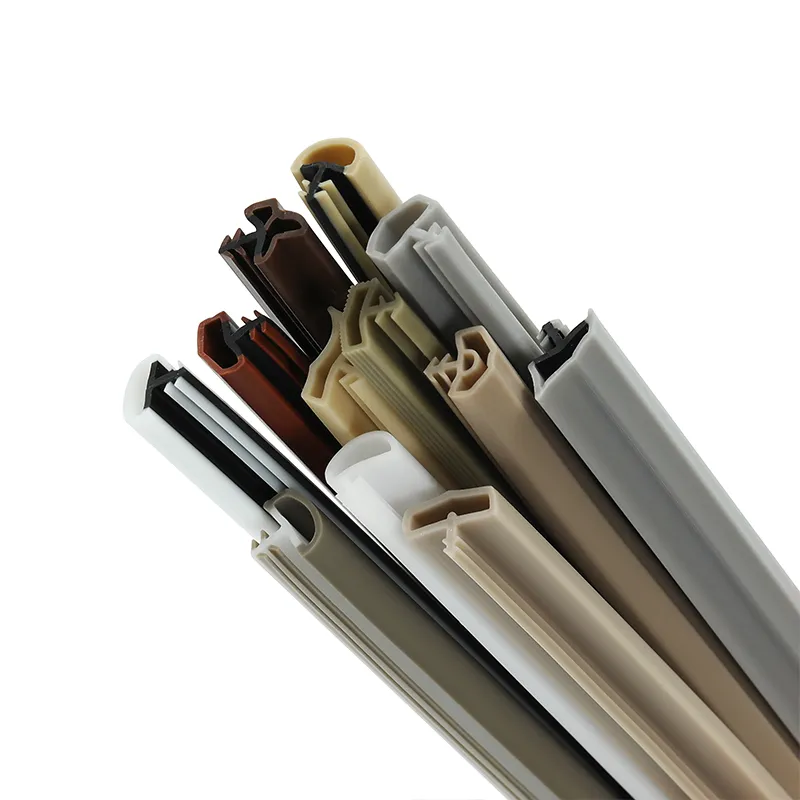
When it comes to completing furniture and cabinetry projects, PP edge banding plays a crucial role in achieving a professional finish. This comprehensive PP edge banding buying guide is designed to help you choose the right edge banding materials and understand their applications. We will explore the different types of edge banding, factors to consider before purchasing, installation tips, and maintenance advice, ensuring you have all the necessary information to make an informed decision.
Understanding PP Edge Banding
- What is PP Edge Banding?
- Definition: Polypropylene (PP) edge banding is a flexible plastic material used to cover and protect the exposed edges of particleboard, MDF, and plywood.
- Purpose: Provides a smooth finish to furniture, enhances aesthetics, and protects structures from moisture and physical damage.
- Applications of PP Edge Banding
- Furniture production – tables, desks, cabinets.
- Interior design elements – wall panels and floating shelves.
Factors to Consider Before Purchasing PP Edge Banding
- Material Quality
- Thickness: Choose edge banding that is appropriately thick (typically between 0.4mm to 2mm) for durability.
- Durability: Check labels for resistance to scratches, impacts, and moisture.
- Color and Finish
- Select colors that match your project for a seamless appearance.
- Consider the finish – matte, gloss, or textured – to blend with other surfaces.
- Type of Adhesive
- Self-adhesive vs. Non-adhesive: Self-adhesive is quicker; however, non-adhesive may provide a stronger hold when using additional glue.
Buying Tips for PP Edge Banding
- Research Suppliers
- Look for reputable retailers both online and in local hardware stores.
- Check customer reviews and testimonials on platforms like Houzz and Yelp.
- Compare Prices and Offerings
- Visit multiple websites to compare prices.
- Consider bulk purchasing options for better deals.
- Request Samples
- Ask for samples to assess color and quality before full purchase.
How to Install PP Edge Banding
- Preparation
- Ensure surfaces to be banded are clean and dust-free.
- Cut edge banding to desired length using a sharp utility knife.
- Application Method
- If self-adhesive, peel backing and firmly press onto the edge. For non-adhesive, apply a suitable wood glue.
- Use a roller or block to ensure it adheres evenly.
- Trimming and Finishing
- Trim excess banding with a router or edge trimmer.
- Sand edges lightly for a seamless finish.
Maintenance Tips for PP Edge Banding
- Cleaning
- Use a soft cloth and mild detergent to clean surfaces without scratching.
- Inspecting for Damage
- Regularly check for peeling or damage and reapply edge banding if necessary.
FAQs About PP Edge Banding
- What makes PP edge banding a better choice than veneer?
- PP edge banding is water-resistant, easier to apply, and offers consistent color options compared to natural veneer.
- Can I use PP edge banding outdoors?
- While PP is durable, it is primarily designed for indoor use. For outdoor projects, consider alternatives with UV resistance.
Conclusion: Making Your Purchase Decision
Choosing the right PP edge banding for your project requires careful consideration of materials, aesthetics, and application methods. By following this comprehensive buying guide, you can ensure you select high-quality edge banding that meets your specific needs and enhances the beauty and durability of your furniture projects. Whether for DIY or professional applications, taking these steps will lead to successful outcomes.