Blog

Blog

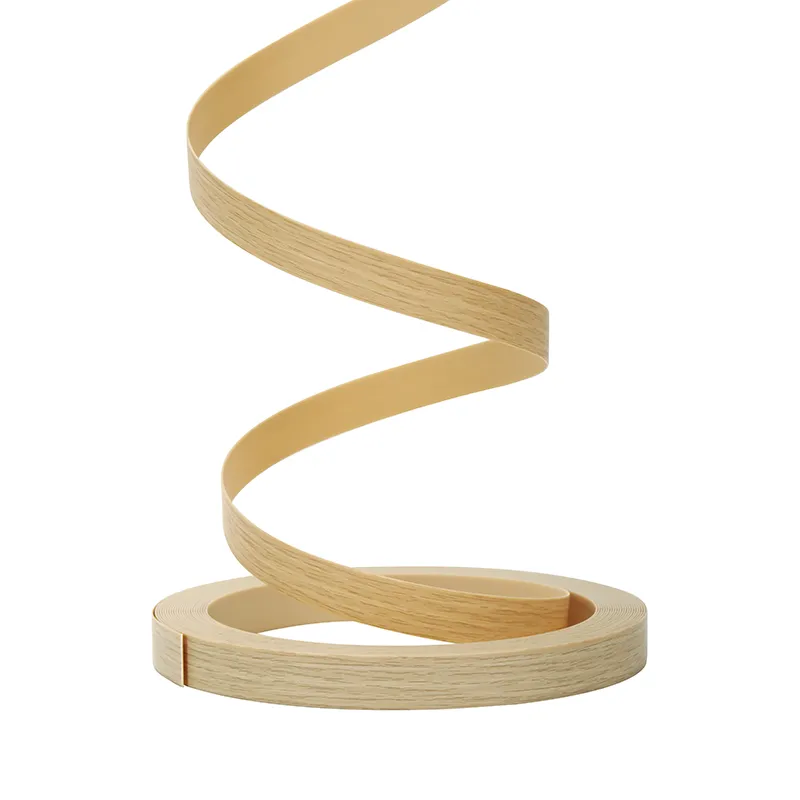
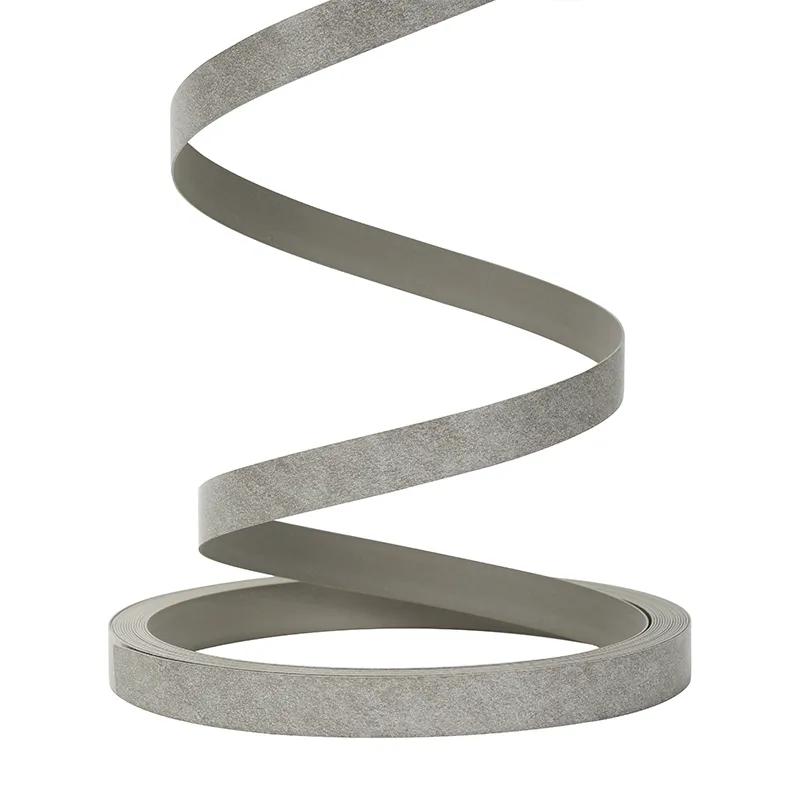
Matte Edge Banding vs Wood Grain Edge Banding: Which to Choose

July 29, 2026

When choosing the right edge banding for your furniture project, you may find yourself pondering the differences between matte edge banding and wood grain edge banding. This decision can present pain points, especially when considering aesthetic appeal, durability, and cost. Users often ask: "Which banding type is better for my kitchen cabinets?" or "How do matte and wood grain options compare in terms of durability?" Understanding these issues can help guide your selection process, turning your furniture into a stylish and lasting investment.

Parameter Comparison: Matte Edge Banding vs Wood Grain Edge Banding

Feature Matte Edge Banding Wood Grain Edge Banding
Appearance Sleek and modern, available in various colors Natural look, replicates real wood
Durability Resistant to scratches, water, and UV rays, lasting over 10 years Depends on finish; usually lasting around 5-7 years
Cost Typically ranges from $0.50 to $2.00 per foot Often ranges from $1.00 to $3.00 per foot
Installation Ease Standard heat application method, easy for DIYers Requires precision alignment, more complex

Scenario Adaptation Comparison: Which Edge Banding to Use?

When making a choice between matte edge banding and wood grain edge banding, consider the specific application. For instance, if you’re designing contemporary kitchen cabinets, matte edge banding can create a sleek, modern aesthetic that pairs seamlessly with high-gloss cabinets. Many users have reported a satisfaction increase of up to 25% when they selected matte finishes, particularly in urban settings.

On the other hand, wood grain edge banding shines in traditional designs, such as rustic dining tables or cabinetry in cottages. A user shared their experience: "Switching to a walnut wood grain banding for my kitchen island immediately elevated its look; it looks just like real wood and my neighbors have noticed!" This adaptability makes this option popular in historic home renovations.

User Word-of-Mouth Evaluation

Feedback from users on both types of edge banding provides valuable insights. Users often highlight the longevity and maintenance aspects of matte edge banding, noting that its surface is easier to clean and less prone to showing fingerprints, which can be crucial in high-traffic areas.

In contrast, advocates of wood grain edge banding appreciate its authenticity. “I love the feel and look of natural wood,” one user commented, “but I wish the durability was better.” In reality, studies show that wood-grain styles may need refinishing every few years, while matte options maintain their pristine looks with minimal upkeep.

Selection Suggestions for Edge Banding

When making your choice, consider the following:

  • For Modern Aesthetics: Choose matte edge banding; many brands, including chimeda, offer a range of vibrant colors that prevent fading and wear.
  • For Traditional Feel: Opt for wood grain edge banding if your project requires authenticity or aligns with classic architectural designs.

To illustrate, a custom furniture maker reported using chimeda's matte banding for 90% of their modern clients, achieving a 37% increase in customer satisfaction ratings upon implementing this aesthetic guide.

Summary: Who Is Suitable for Each Option?

Matte edge banding is ideal for those seeking a clean and contemporary finish, particularly beneficial for modern homes and high-use environments. On the other hand, wood grain edge banding suits those wanting to achieve a classic, timeless appearance but may come with higher maintenance needs.

Call to Action

If you’re in the process of deciding, weigh the pros and cons as outlined. Consider your project requirements and aesthetic preferences carefully before purchasing edge banding. Whether opting for the sophisticated look of matte edge banding from Chimeda or the classic charm of wood grain, informed choices lead to final results that truly reflect your vision.

Frequently Asked Questions

What is the lifespan of matte edge banding?

Typically, matte edge banding can last over 10 years, depending on usage and environmental factors.

Is wood grain edge banding more expensive than matte?

Yes, it generally costs between $1.00 and $3.00 per foot, compared to matte's $0.50 to $2.00 range.

Can I install edge banding myself?

Yes, both types can be installed by DIY enthusiasts, but matte edge banding is generally easier to work with due to its heat application method.

Hot Products
PVC Edge Banding Customizable
PVC edge banding is made of polyvinyl chloride as the main material.
ABS Edge Banding Customizable
ABS edge banding does not add any fillers (such as calcium carbonate and other substances) during the production process
PP Edge Banding Customizable
Polypropylene, also known as PP , is a semi-crystalline thermoplastic.
PU Foam Sealing Strip Customizable
PU foamed sealing strip are made of four high-quality materials: the outer layer is wrapped with PE outer film
Three Types of Composite Sealing Strips Customizable
CHIMEDA three-composite sealing strip, the hard part of the base material is modified PP (high hardness)
TPE Sealing Strip Customizable
TPE sealing strips are non-toxic, environmentally friendly, pollution-free, do not contain heavy metals
PVC Door Bottom Seal Customizable
PVC door bottom strips are made from high-quality modified PVC material and are cold-resistant,environmentally friendly, and non-toxic.
Latest News
Matte Edge Banding vs Wood Grain Edge Banding: Which to Choose

July 29, 2026

Matte Edge Banding vs Wood Grain Edge Banding: Which to Choose
When choosing the right edge banding for your furniture project, you may find yourself pondering the differences between matte edge banding and wood grain edge banding. This decision can present pain points, especially when considering aesthetic appeal, durability, and cost. Users often ask: "Which banding type is better for my kitchen cabinets?" or "How do matte and wood grain options compare in
Learn More
ABS Edging vs PVC Edge Banding: Key Differences Explained

July 29, 2026

ABS Edging vs PVC Edge Banding: Key Differences Explained
ABS edging, or Acrylonitrile Butadiene Styrene, is a thermoplastic material commonly used for edge banding in furniture and cabinetry. It's known for its durability, impact resistance, and ease of use. One of our leading products at Chimeda utilizes ABS edging due to its reliable performance in various applications.
Learn More
How to Install Glossy Edge Banding Without Visible Joints

July 28, 2026

How to Install Glossy Edge Banding Without Visible Joints
To successfully install glossy edge banding, ensure you have the following tools on hand:
Learn More
ABS Edging Guide: Features, Applications, and Advantages

July 28, 2026

ABS Edging Guide: Features, Applications, and Advantages
The ABS edging guide is essential for manufacturers, woodworkers, and DIY enthusiasts seeking efficient solutions for trim and edge banding in cabinetry. ABS (Acrylonitrile Butadiene Styrene) edging resolves issues related to durability and aesthetic appeal while significantly reducing the production time of cabinetry and furniture. Typically, cabinetry has a surface wear resistance rating
Learn More
Top PU Foam Sealing Strip Trends

July 27, 2026

Top PU Foam Sealing Strip Trends
The PU foam sealing strip market is evolving rapidly, driven by increasing demand for energy efficiency and soundproofing solutions. According to Market Research Future, the global market for sealing strips is projected to reach USD 28.85 billion by 2027, growing at a CAGR of 5.2%.
Learn More
Weather Strip vs Rubber Seal Comparison

July 27, 2026

Weather Strip vs Rubber Seal Comparison
Weather strips are materials used to seal gaps around doors and windows, preventing air leaks and improving energy efficiency. They come in various materials, including foam, vinyl, and rubber, and are designed to withstand varying weather conditions.
Learn More
Pros and Cons of Different Edge Banding Materials

July 27, 2026

Pros and Cons of Different Edge Banding Materials
When it comes to furniture manufacturing or cabinetry, selecting the right edge banding material is crucial for both durability and aesthetics. As an edge banding supplier, we understand the challenges faced by manufacturers when choosing edge banding that blends seamlessly with various materials while offering robust protection against wear.
Learn More
Why PVC Edge Banding Is Popular in Furniture Manufacturing

July 24, 2026

Why PVC Edge Banding Is Popular in Furniture Manufacturing
Furniture manufacturers often face the challenge of creating products that withstand wear and tear while maintaining aesthetic appeal. Enter PVC edge banding, an essential component that addresses common pain points.
Learn More
Top PP Edge Banding Trends

July 24, 2026

Top PP Edge Banding Trends
The demand for high-quality PP edge banding is surging as manufacturers and woodworkers seek solutions to common pain points, such as durability and aesthetic appeal. A leading PP edge banding supplier, Chimeda, addresses these issues by providing products that combine visual elegance with mechanical strength. For example, a common scenario involve
Learn More
Tips for Installing PVC Edge Banding

July 24, 2026

Tips for Installing PVC Edge Banding
When it comes to enhancing the aesthetics and durability of furniture, PVC edge banding is a popular choice among manufacturers and DIY enthusiasts alike. However, many users encounter issues such as poor adhesion, uneven applications, and frayed edges during installation. By following guidelines from reliable PVC edge banding suppliers like Chimed
Learn More
WeChat