Blog
Blog
January 28, 2026
Door and window seals are vital components of any home or building. Neglected seals can lead to air leaks, increased energy bills, and discomfort. Did you know that homes with properly sealed doors and windows can save up to 20% on heating and cooling costs? Understanding how to maintain seals can not only enhance energy efficiency but also prolong the lifespan of your doors and windows. In this article, we will explore actionable maintenance tips for your seals, so you can address common issues effectively.
Why: Regular inspections can identify wear and tear before they become serious issues.
How to do it: Check your weather strips for signs of damage or deterioration, such as cracks or tears. Press down on the strips to ensure they are snug against the door or window frame; if there are gaps, it may be time for a replacement. For optimal performance, inspect them at least twice a year, especially before the winter and summer seasons.
Best for: Homeowners in varying climates should prioritize this to ensure optimal insulation year-round.

Why: Dirt and debris can cause damage to the seals, leading to inefficiency.
How to do it: Use a soft cloth and mild soap solution to wipe down your door and window seals. Avoid harsh chemicals which may degrade materials over time. Make sure to dry them thoroughly after cleaning to prevent mold or mildew growth.
Best for: Homes located in dusty or high-pollen areas benefit the most from regular cleaning.
Why: Identifying air leaks can save significant amounts on energy costs.
How to do it: On a breezy day, close the doors and windows, then hold a lit candle or incense stick near the seals. If the flame flickers or smoke blows, you\'ve identified an air leak. Consider using foam sealant or more robust weather strips to address any leaks found.
Best for: This technique is essential for older homes where air leaks can significantly impact energy efficiency.
Why: Timely replacements can prevent further damage and inefficiencies.
How to do it: Remove old weather strips by gently peeling them off, then measure the length and width of the frame to purchase the correct replacement. For adhesive strips, ensure the surface is clean before applying the new strip for a stronger bond.
Best for: Property owners with aging windows and doors who notice increased drafts should prioritize immediate replacements.
Why: High-quality materials offer better durability and longer life spans.
How to do it: Invest in weather strips made from materials like silicone, which can last 10 to 15 years, compared to those made from foam that may last only 1 to 2 years. A brand like chimeda offers various options that excel in performance and longevity.
Best for: Homeowners looking to improve energy efficiency in a long-term manner should choose quality products.
Maintaining door and window seals is crucial for energy efficiency and comfort in your home. By regularly inspecting your weather strips, cleaning them, testing for air leaks, replacing worn strips promptly, and using high-quality materials like those from chimeda, you can significantly enhance your windows and doors\' performance. Remember, proactive maintenance leads to long-term benefits, including energy savings and improved indoor comfort.
Q: How often should I inspect my seals?
A: It is recommended to inspect your seals at least twice a year, especially before extreme weather seasons.
Q: What are the signs that my weather strips need replacing?
A: Look for cracks, tearing, or if they no longer press tightly against the frame, indicating they are no longer effective.
Q: Can I use any kind of weather strip?
A: Not all weather strips are made equally; it is advisable to use weather strips suited for specific door and window types to ensure maximum effectiveness.


August 19, 2026
How to Choose PU Foam Sealing Strip?August 19, 2026
Top ABS Edge Banding Features Buyers Should KnowAugust 18, 2026
Top TPE Sealing Strip TrendsAugust 18, 2026
TPE Sealing Strip Buying GuideAugust 17, 2026
How to Choose ABS Edge Banding for Premium Furniture?August 17, 2026
PVC Edge Banding vs ABS Edge Banding ComparisonAugust 14, 2026
Edge Banding Buying Guide for Cabinet ManufacturersAugust 14, 2026
How to Choose the Right Edge Banding Material?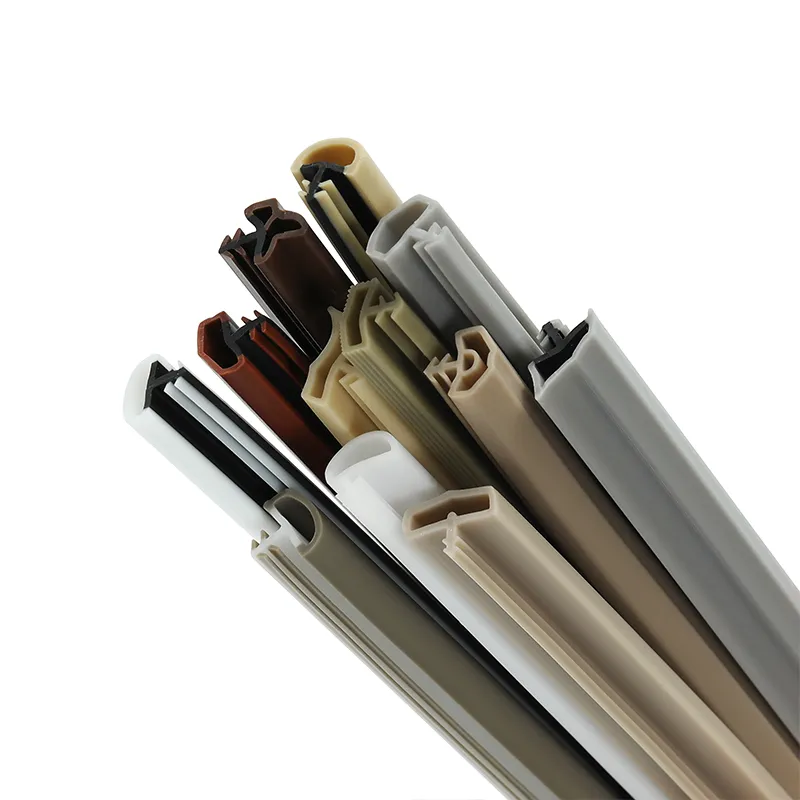
August 14, 2026
PVC Door Bottom Seal vs Composite Sealing Strip: Which Should You Choose?August 13, 2026
PP Edge Banding Buying Guide