Blog
Blog
February 27, 2026
When it comes to improving energy efficiency and comfort in your home, weather strips are essential components that cannot be overlooked. Flexible door seals play a significant role in preventing drafts, keeping unwanted pests out, and ensuring that your indoor climate remains stable. In this article, we’ll explore the critical factors you should consider when purchasing flexible door seals to meet your specific needs.
Identify Areas of Use: Determine where you will install the door seals—exterior doors, interior doors, or garage doors. Different applications may require different types of seals.
Assess Climate Conditions: Consider your local climate. Areas with extreme temperatures may benefit from more robust, insulated materials.
Evaluate Noise Levels: If soundproofing is a priority, opt for seals that provide higher acoustic insulation.
Foam Weather Stripping: Affordable and easy to install, foam strips are ideal for low-traffic areas.
Rubber Weather Stripping: Highly durable, rubber seals are better suited for exterior doors and can withstand harsh weather.
Vinyl Weather Stripping: These are versatile, easy to install, and ideal for various door types.
Measure Door Width and Height: Use a tape measure to get accurate measurements of the door frame.
Consider the Gap Size: Measure the gap between the door and the frame to choose the right thickness of seal.
Account for Door Movement: Ensure that the seal does not impede the door\'s ability to open and close smoothly.
Choose Weather-Resistant Materials: Look for materials that resist wear and tear from weather exposure, such as rubber or silicone.
Thickness Matters: Thicker seals typically provide better insulation but ensure they fit well within the doorframe.
UV Resistance: If the seals will be exposed to sunlight, ensure they are UV-resistant to prolong their lifespan.
Self-Adhesive Options: For a quick fix, consider seals that come with a self-adhesive backing.
Installation Tools: Gather necessary tools like a utility knife, scissors, and a measuring tape for effective installation.
Consult Guidelines: Follow manufacturer instructions carefully to ensure optimal installation and performance.
Set a Budget: Determine how much you are willing to spend while keeping in mind that lower costs may mean lower quality.
Assess Long-Term Savings: Investing in superior quality seals can reduce energy bills significantly over time. According to the U.S. Department of Energy, proper weatherization can save homeowners up to 20% on heating and cooling costs.
Compare Brands: Research different brands and customer reviews to ensure you’re getting value for your money.
Choose Colors Wisely: Select colors that coordinate with your existing doors and frames for a polished look.
Consider Design: The style of the seal can impact your home\'s aesthetics. Opt for sleek designs that blend seamlessly.
Custom Solutions: For unique door styles, consider custom seals that fit exactly to your specifications.
Local Regulations: Check if there are any building codes or regulations regarding door insulation in your area.
Warranty and Customer Support: Ensure that the product comes with a warranty and reliable customer support for any future issues.
Environmental Impact: Consider eco-friendly options that reduce carbon footprint and utilize sustainable materials.
Purchasing flexible door seals is an essential step toward enhancing your home’s energy efficiency and comfort. By taking the time to understand these key factors, you can make an informed decision that aligns with your needs and results in long-term savings. For further information or to explore products, visit this resource.


August 10, 2026
Edge Banding Thickness Guide: 0.4mm to 3mm
August 10, 2026
Tips for Applying Edge Banding Without Peeling
August 10, 2026
Why PVC Door Bottom Seals Improve Soundproofing
August 10, 2026
PP Edge Banding Product Review
August 10, 2026
Table PVC Edge Banding Benefits for Daily Use Furniture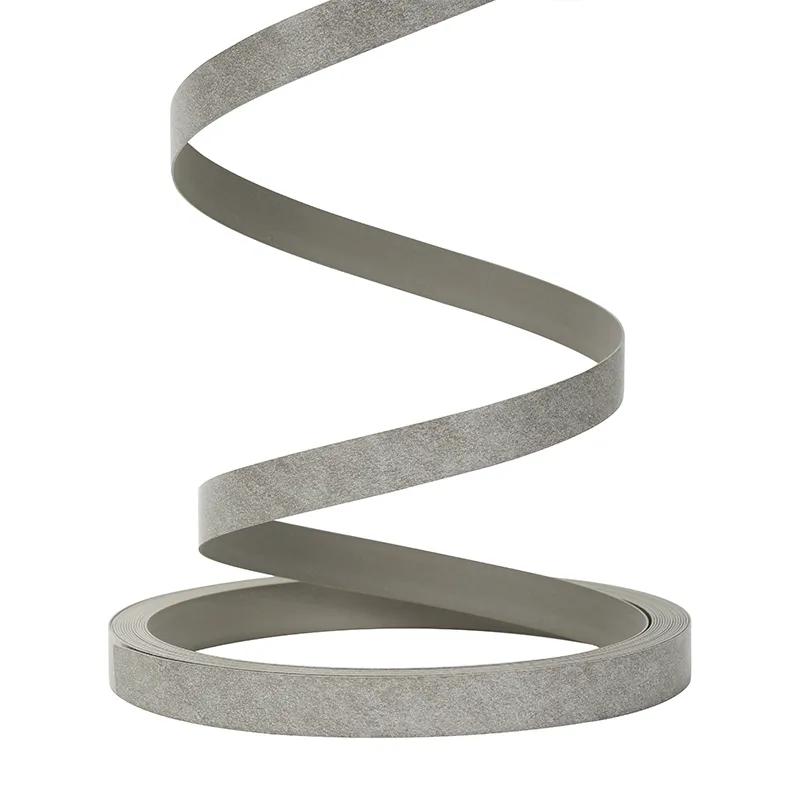
August 10, 2026
High Gloss Edge Banding vs Matte Edge Banding: What’s the Difference?
August 07, 2026
PVC Edge Banding vs Melamine Edge Banding
August 07, 2026
Tips for Processing ABS Edge Banding
August 07, 2026
PVC Door Bottom Seal Buying Guide
August 07, 2026
Cabinet PVC Edge Banding Applications in Kitchen Design