Blog
Blog
August 03, 2026
Choosing the right PVC edge banding can be a daunting task for any woodworker, furniture manufacturer, or DIY enthusiast. Many users struggle with their selection process, often satisfied only to find that their choice leads to poor adhesion, warping, or fading over time. As a PVC edge banding supplier, chimeda understands these pain points and is here to provide a comprehensive guide on how to select high-quality materials that meet your needs.
Users typically face challenges such as budget constraints, varying quality standards, and product availability. Consider *Martin*, a small furniture maker from Texas. He found himself continuously replacing poorly made edge banding after they failed, resulting in a 23% increase in his material costs. His experience highlights the importance of selecting high-quality PVC edge banding. In this article, we’ll address common pain points and provide practical solutions through a step-by-step guide on making the right selection.
To effectively choose the right edge banding, consider the following prerequisites:
Understanding Specifications: Know the thickness, width, and color of the banding that matches your project. For example, a typical thickness is 0.4mm, but premium products may go up to 1mm for increased durability.
Material and Finish: Quality variants will differ in surface finish, with some offering a glossy finish while others provide a matte look.
Tools Required: Ensure you have the necessary tools such as a heat gun, edge banding trimmer, and adhesive, which may include hot-melt glue or a PVA adhesive for strong adhesion.
Follow these actionable steps to select high-quality PVC edge banding:
Research Reliable Suppliers: Start by compiling a list of reputable suppliers. For instance, chimeda is recognized for its extensive range of high-quality PVC edge banding options. Read reviews and consult woodworking forums to gauge others' experiences.
Consider Material Composition: Examine the material's thickness and flexibility. High-quality PVC edge banding typically has a thickness of 0.4mm to 1mm. Anything thinner can adversely affect durability.
Check for Certifications: Make sure that the products are certified for safety and quality, such as reaching the E1 emission standards for formaldehyde levels, ensuring a safe indoor environment.
Test Adhesive Strength: Contact the supplier for adhesive performance data. Quality banding should adhere firmly with a pull-off strength of over 100N per meter, indicating robust longevity.
Match Aesthetics: Ensure that the color and texture of the edge banding match the veneer of your furniture. Many users appreciate a perfect match that brings a cohesive look.
Sample Testing: Before committing to a bulk order, request samples to perform adhesion tests with your chosen adhesives. This helps in assessing compatibility and performance.
Here are some common pitfalls users may encounter, along with their respective solutions:
Choosing the Wrong Thickness: Selecting an edge banding that's too thin could result in peeling. Always opt for a thickness of at least 0.4mm for durability.
Ignoring Surface Texture: A poor-quality finish may lead to future color fading. Conduct a scratch test on samples to gauge durability.
Neglecting Adhesion Tests: Many users skip this crucial step and face peeling issues later. Always test different adhesives for your specific banding.
Choosing high-quality PVC edge banding isn't just about price—it's about choosing reliability and compatibility with your projects. As seen from Martin's story, selecting the right materials leads to significant savings and quality enhancements. To ensure that your choice stands the test of time, always perform your due diligence, test samples, and consult with experienced suppliers like Chimeda to make informed decisions.
Generally, a thickness between 0.4mm to 1mm is recommended for durability. Thicker options tend to perform better in high-traffic areas.
Using a heat gun is an effective way to apply PVC edge banding. Heat the banding and press it against the edge until it adheres completely. Trim off excess with a specialized edge banding cutter.
High-quality solutions are less likely to peel, fade, or warp, providing longevity and aesthetic appeal to your furniture projects.


August 10, 2026
Edge Banding Thickness Guide: 0.4mm to 3mm
August 10, 2026
Tips for Applying Edge Banding Without Peeling
August 10, 2026
Why PVC Door Bottom Seals Improve Soundproofing
August 10, 2026
PP Edge Banding Product Review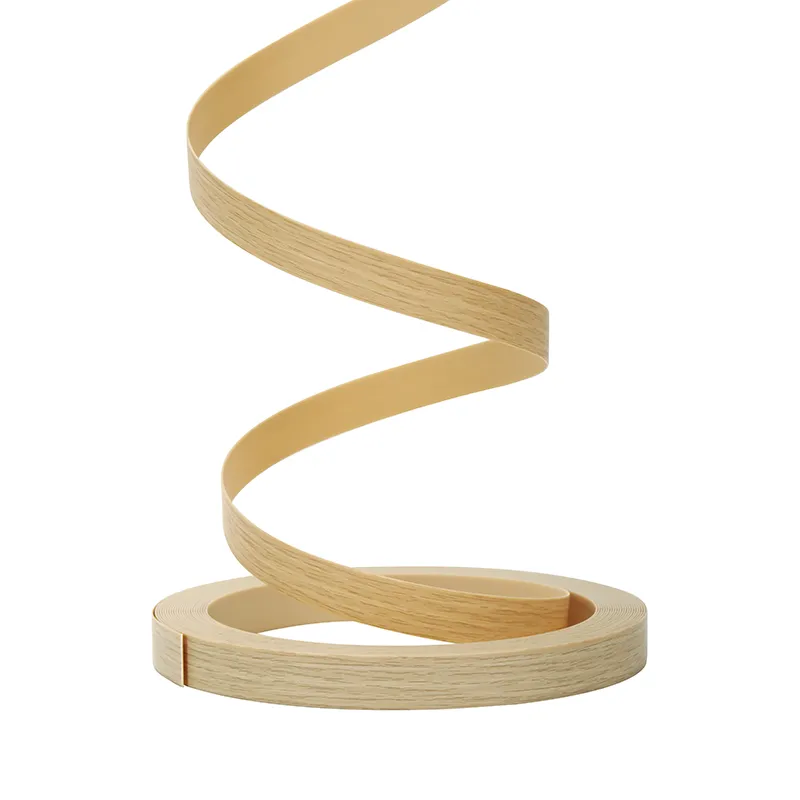
August 10, 2026
Table PVC Edge Banding Benefits for Daily Use Furniture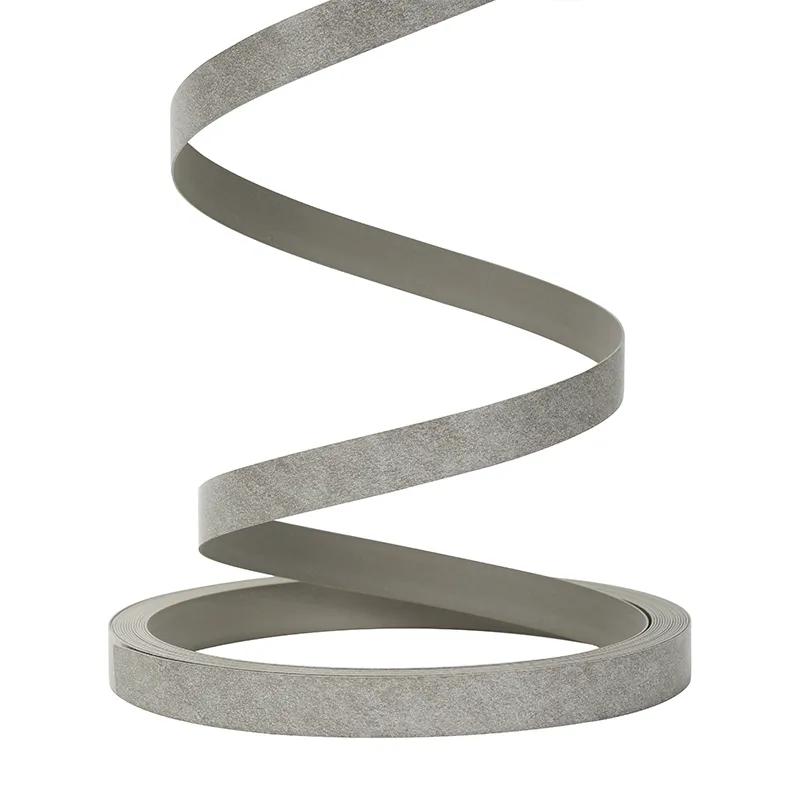
August 10, 2026
High Gloss Edge Banding vs Matte Edge Banding: What’s the Difference?
August 07, 2026
PVC Edge Banding vs Melamine Edge Banding
August 07, 2026
Tips for Processing ABS Edge Banding
August 07, 2026
PVC Door Bottom Seal Buying Guide
August 07, 2026
Cabinet PVC Edge Banding Applications in Kitchen Design