Blog

Blog

How to Select Edge Banding for Furniture and Cabinets

November 13, 2025

How to Select Edge Banding for Furniture and Cabinets: Addressing Your Needs

When selecting edge banding for your furniture and cabinets, many users grapple with questions like: "Which material is most durable?" or "How does edge banding affect the overall appearance of my furniture?" It’s crucial to understand that flawed choices may result in peeling, damage, or aesthetic dissatisfaction. For instance, Sarah, a DIY enthusiast, faced frustration when her chosen edge banding began to peel after just six months, diminishing the look of her newly crafted cabinet. Users often seek edge banding that not only protects their furniture but also complements their interiors. Understanding the available materials, application methods, and longevity can change your furniture-making experience drastically. This guide will explore practical tips and personal experiences, ensuring that your edge banding selection meets your durability, aesthetic, and functional needs.

Required Preparation for Selecting Edge Banding

Before diving into the selection process, you’ll need to gather some materials and tools. Here’s what you’ll need:

  1. Materials Needed: Choose from various edge banding materials such as PVC, ABS, and veneer. Each material has different attributes. For example, PVC edge banding is incredibly durable and can withstand moisture, making it ideal for kitchen cabinets.

  2. Tools Required: A banding machine is preferred for professional finish, but for DIY enthusiasts, a handheld heat gun and an iron can work effectively for application.

  3. Surface Preparation: Make sure the edges of the furniture or cabinet are smooth and clean to ensure a strong bond.

Additionally, consider the color, texture, and thickness of the edge banding. For example, Chimea offers a range of edge banding that can seamlessly match your chosen wood veneer, creating a polished look.

Step-by-Step Guidance to Select and Apply Edge Banding

1. Determine the Right Material for Your Application

Selecting the right material can significantly impact your furniture’s appearance and durability. While working on a kitchen cabinet upgrade, Chris found that using ABS edge banding, which is known for its high resistance to impact and heat, allowed for a consistent look and great durability.

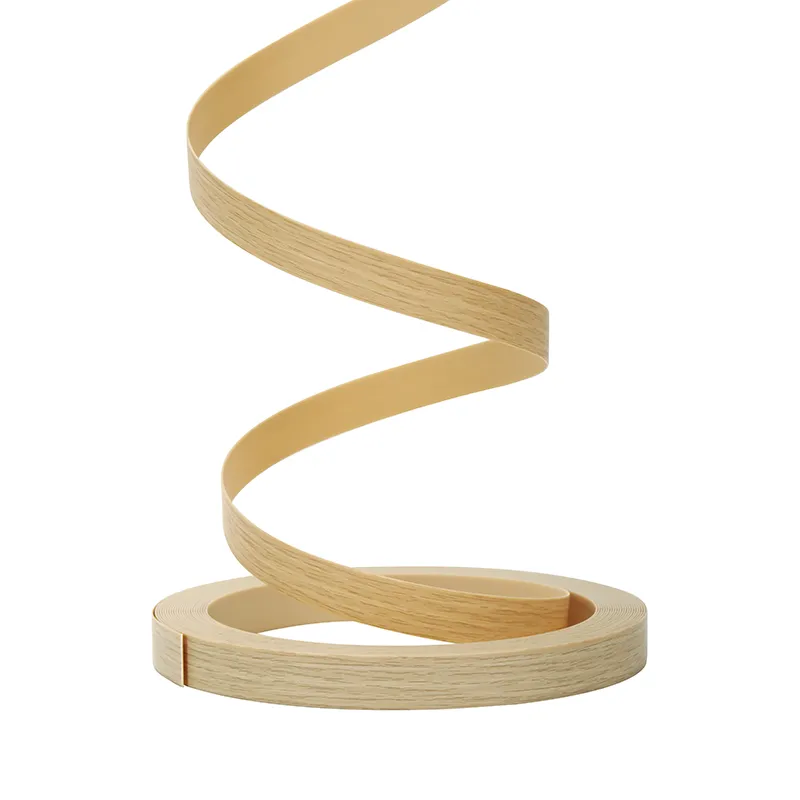
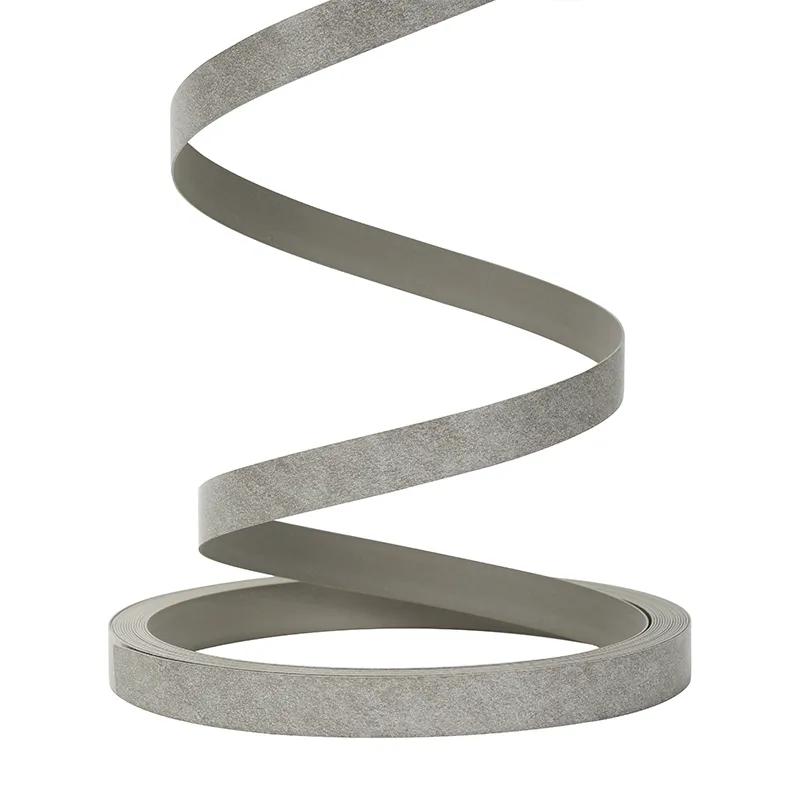
Edge Banding Options

2. Choose the Right Color and Texture

Finding the right edge banding color to match or complement the cabinet material is vital. For instance, Jennifer discovered that contrasting her oak cabinets with a dark walnut edge banding not only protected her cabinet edges but also enhanced visual appeal. Remember, the right texture can also play a role—smooth texture may suit modern designs, while textured banding may fit rustic themes.

3. Measure and Cut the Edge Banding

Accurate measurements are essential. Use a tape measure to determine the lengths required on each edge. Chris measured his cabinets meticulously, ensuring a perfect fit, resulting in a seamless finish. Cut the edge banding slightly longer than needed, as it\'s easier to trim back than to add more.

4. Apply Edge Banding Using Heat

For a robust finish, consider using a heat application method. If opting for a handheld heat gun, set it to a temperature of approximately 180°C (356°F) to activate the adhesive on the banding. Apply the edge banding to the edge slowly, ensuring even pressure for a tight bond. Sarah successfully achieved a flawless application using an iron, which heated the adhesive sufficiently to bond firmly.

5. Trim and Finish the Edges

Once the edge banding cools, use a sharp utility knife to trim any excess, and sand lightly for a smooth finish. After completing his kitchen cabinets, Chris reported a visible increase in overall quality and durability, leading him to recommend Chimea\'s edge banding to friends. The timely and efficient process showcased the elegance of his finished product.

Applying Edge Banding

Common Errors and Solutions

Users sometimes encounter peeling or mismatching edge banding. One common mistake is not cleaning the surface before application. To remedy this, ensure edges are free of dust and grease. Another issue can be poor adhesive bonding caused by insufficient heat. Refer to the optimal temperature ranges for your chosen material to ensure strong adherence.

Summary and Suggestions

Choosing the right edge banding can elevate your furniture designs, enhance durability, and deliver aesthetic satisfaction. Always consider available materials, match colors and textures, and ensure accurate measurements for a clean application. By following this guide and learning from personal experiences shared by users like Chris and Sarah, you too can achieve professional results with your edge banding projects.

FAQ

What is the best material for edge banding? PVC and ABS are often recommended for their durability, moisture resistance, and ease of application.

How can I make my edge banding application better? Ensure proper surface preparation, accurate temperature during application, and use a sharp cutting tool to finish edges cleanly.

How can I match edge banding to my furniture? Consider color swatches and samples from brands like Chimea to ensure a harmonious look that complements your design.

Hot Products
PVC Edge Banding Customizable
PVC edge banding is made of polyvinyl chloride as the main material.
ABS Edge Banding Customizable
ABS edge banding does not add any fillers (such as calcium carbonate and other substances) during the production process
PP Edge Banding Customizable
Polypropylene, also known as PP , is a semi-crystalline thermoplastic.
PU Foam Sealing Strip Customizable
PU foamed sealing strip are made of four high-quality materials: the outer layer is wrapped with PE outer film
Three Types of Composite Sealing Strips Customizable
CHIMEDA three-composite sealing strip, the hard part of the base material is modified PP (high hardness)
TPE Sealing Strip Customizable
TPE sealing strips are non-toxic, environmentally friendly, pollution-free, do not contain heavy metals
Latest News
Cost Comparison of Different Edge Banding Materials

January 02, 2026

Cost Comparison of Different Edge Banding Materials
Edge banding is a process used to cover the exposed edges of materials like plywood and particleboard, enhancing both aesthetics and durability. It is crucial for achieving a professional finish in woodworking and furniture making.
Learn More
Composite Sealing Strips vs Single-Material Seals

January 01, 2026

Composite Sealing Strips vs Single-Material Seals
In the world of sealing solutions, the choice between composite sealing strips and single-material seals can be daunting. Many users face the common questions: What are the key differences? Which option offers better performance and longevity? This article will delve into pain points such as leakage issues in industrial applications or the need for
Learn More
Why PVC Edge Banding Remains Popular in Mass Furniture Production

December 31, 2025

Why PVC Edge Banding Remains Popular in Mass Furniture Production
In the competitive world of mass furniture production, manufacturers face numerous pain points such as maintaining quality, enhancing durability, and ensuring cost-effectiveness. One such solution that addresses these challenges is PVC edge banding. This material not only ensures a polished finish but also significantly reduces manufacturing costs
Learn More
Common Installation Mistakes with Sealing Strips

December 31, 2025

Common Installation Mistakes with Sealing Strips
Installing sealing strips is essential for ensuring energy efficiency and preventing air leakage in homes and commercial buildings. Many users face challenges that lead to ineffective installations, resulting in increased energy costs and reduced comfort. This article will address common installation mistakes with sealing strips, offering actionabl
Learn More
Why Material Flexibility Matters in Sealing Strip Performance

December 30, 2025

Why Material Flexibility Matters in Sealing Strip Performance
When it comes to sealing strips, performance can often make or break industrial processes. Many manufacturers face challenges related to temperature fluctuations, pressure variances, and environmental factors that cause inefficiencies. These pain points, including leakage and premature wear, can lead to increased costs and operational downtime. The
Learn More
Common Edge Banding Problems and How to Avoid Them

December 30, 2025

Common Edge Banding Problems and How to Avoid Them
Edge banding is a crucial step in achieving a polished, professional appearance for furniture and cabinetry. However, many craftsmen and DIY enthusiasts face issues such as peeling, bubbling, and misalignment, which can detract from the final product. These problems not only affect aesthetics but also durability, potentially leading to long-term da
Learn More
When ABS Edge Banding Is a Better Choice Than PVC

December 29, 2025

When ABS Edge Banding Is a Better Choice Than PVC
In the world of furniture manufacturing and woodworking, edge banding materials play a crucial role in providing both aesthetics and durability. One common question among designers and builders is: "When should I choose ABS edge banding over PVC?" The pain point often lies in finding a balance between cost, environmental impact, durability, and app
Learn More
Are High-Quality Weather Strips Worth the Investment

December 29, 2025

Are High-Quality Weather Strips Worth the Investment
For homeowners keen on increasing energy efficiency and comfort, the question of whether high-quality weather strips are worth the investment often arises. Weather stripping serves as a crucial seal that prevents air leaks in windows and doors, thereby reducing heating and cooling costs, which can account for up to 50% of annual energy bills. By ad
Learn More
How to Customize Edge Banding for Furniture

December 26, 2025

How to Customize Edge Banding for Furniture
Edge banding refers to the process of applying a thin strip of material to the exposed edges of furniture components, such as particleboard or MDF. This not only enhances the aesthetics of the furniture but also protects the edges from damage and moisture.
Learn More
How to Choose the Right Weather Strip for Doors and Windows

November 24, 2025

How to Choose the Right Weather Strip for Doors and Windows
Weather strips come in various types including adhesive-backed foam, V-strip, door sweeps, and magnetic strips. Each type serves different purposes and is suited for specific applications.
Learn More
WeChat