Blog
Blog
April 03, 2026
To successfully glue and finish PVC edge banding, you'll need a few essential tools and materials:
Begin by measuring the edges of the surface where the edge banding will be applied. Use the ruler for accuracy and cut the PVC edge banding to the required lengths, taking into account the corners.
Ensure the surface is clean and smooth. Use a clean cloth to wipe away any dust or debris that may interfere with the adhesive bond.
Using the hot melt glue applicator, apply a consistent layer of adhesive along the edge of the surface. Be sure to apply enough glue to ensure a strong bond, but avoid excess that could seep out.
Align the edge banding with the edge of the surface, pressing it firmly into place. If needed, use clamps to hold the banding in place while the glue sets.
Once the glue has set (refer to the glue manufacturer's instructions for drying times), use trimming knives or an edge banding trimmer to remove any excess edge banding material, ensuring an even finish.
Use a sanding block or sander to smooth out any rough edges and to ensure a seamless transition between the surface and the edge banding.
Be cautious not to overheat the glue in your applicator, as this can cause it to burn and lose its adhesive properties.
Always make sure the surface is completely clean. Any dust or debris can weaken the bond between the PVC edge banding and the surface.
Follow the glue manufacturer's guidelines for drying times to ensure the best results. Rushing this step can lead to poor adhesion and issues down the line.
Once the edge banding is trimmed, perform final sanding with finer sandpaper for a polished look.
After sanding, use a clean cloth to wipe away all dust and debris for a clean finish.
By following these detailed steps for gluing and finishing PVC edge banding, you can achieve professional-quality results for your woodworking projects. Remember to use quality products and follow our guidelines for the best experience. For more information about PVC edge banding solutions, visit our website at Chimeda.


August 10, 2026
Edge Banding Thickness Guide: 0.4mm to 3mm
August 10, 2026
Tips for Applying Edge Banding Without Peeling
August 10, 2026
Why PVC Door Bottom Seals Improve Soundproofing
August 10, 2026
PP Edge Banding Product Review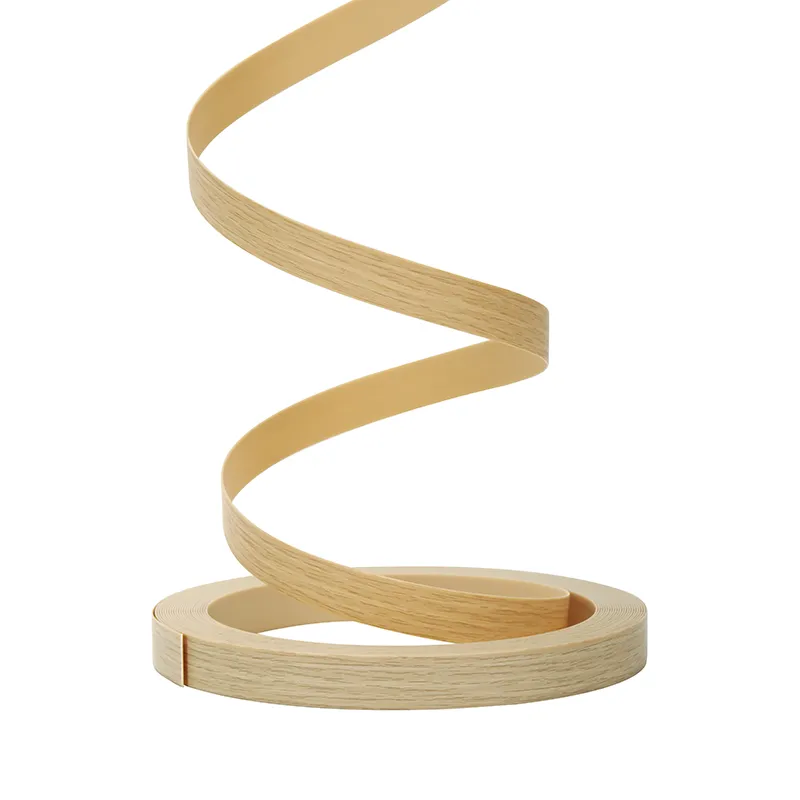
August 10, 2026
Table PVC Edge Banding Benefits for Daily Use Furniture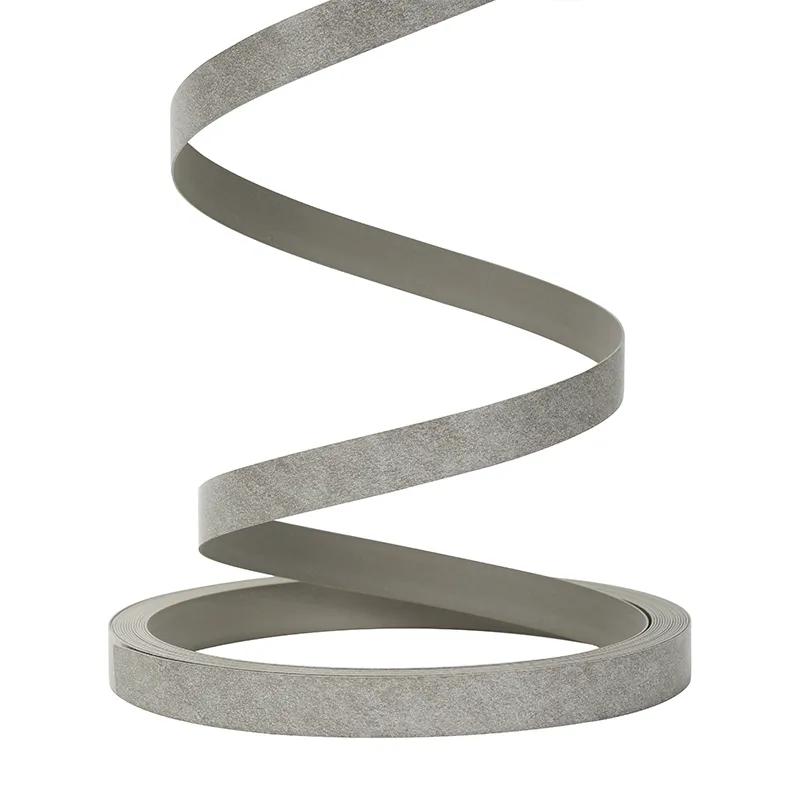
August 10, 2026
High Gloss Edge Banding vs Matte Edge Banding: What’s the Difference?
August 07, 2026
PVC Edge Banding vs Melamine Edge Banding
August 07, 2026
Tips for Processing ABS Edge Banding
August 07, 2026
PVC Door Bottom Seal Buying Guide
August 07, 2026
Cabinet PVC Edge Banding Applications in Kitchen Design