Blog

Blog

How to Install a PVC Door Bottom Seal to Prevent Drafts

March 25, 2026

Introduction: Addressing the Problem of Drafty Doors

Many homeowners struggle with drafts seeping through their doors, particularly during colder months. This leads to higher energy bills, uncomfortable living environments, and a constant battle against fluctuating temperatures. A common solution to this issue is the installation of a PVC door bottom seal. In fact, studies show that homes equipped with proper sealing can reduce heating costs by up to 20%. In this article, we’ll explore the needs behind draft prevention, how to effectively implement a PVC door bottom seal, and share real-life experiences that highlight the benefits of this solution.

Required Preparation for Installing a PVC Door Bottom Seal

Before diving into the installation process, it’s essential to gather all necessary materials and tools. Here’s a comprehensive list:

  • Materials:
    • PVC Door Bottom Seal (available at home improvement stores like Home Depot or Amazon)
    • Weather stripping tape (optional for added protection)
  • Tools:
    • Measuring tape
    • Utility knife or scissors
    • Drill (with appropriate bits)
    • Screwdriver
    • Level (to ensure correct alignment)

Make sure you also have a clean workspace and wear safety goggles to protect your eyes during the installation process.

Step-by-Step Guidance on Installing a PVC Door Bottom Seal

Follow these detailed steps to successfully install your PVC door bottom seal:

  1. Measure the Door Width: Use a measuring tape to determine the width of the door at the bottom. Write down the measurement accurately.
  2. Cut the PVC Seal: With your utility knife or scissors, cut the PVC door bottom seal to match the width of your door plus an extra inch on each side for a snug fit. For example, if your door measures 36 inches wide, cut the seal to 38 inches.
  3. Mark the Seal Placement: Position the seal at the bottom of the door, ensuring it is level. Mark the points where you'll drill holes for screws, typically every 12 inches.
  4. Drill Holes for Screws: Using a drill, carefully make holes at the marked points on the door, ensuring you don’t drill too deeply.
  5. Attach the Seal: Align the PVC seal with the drilled holes, ensuring it fits snugly. Use screws to firmly attach the seal to the door, driving each screw until it’s flush with the seal.
  6. Test the Fit: Close the door to ensure the PVC seal contacts the floor evenly. If you notice any gaps, adjust the placement as necessary.

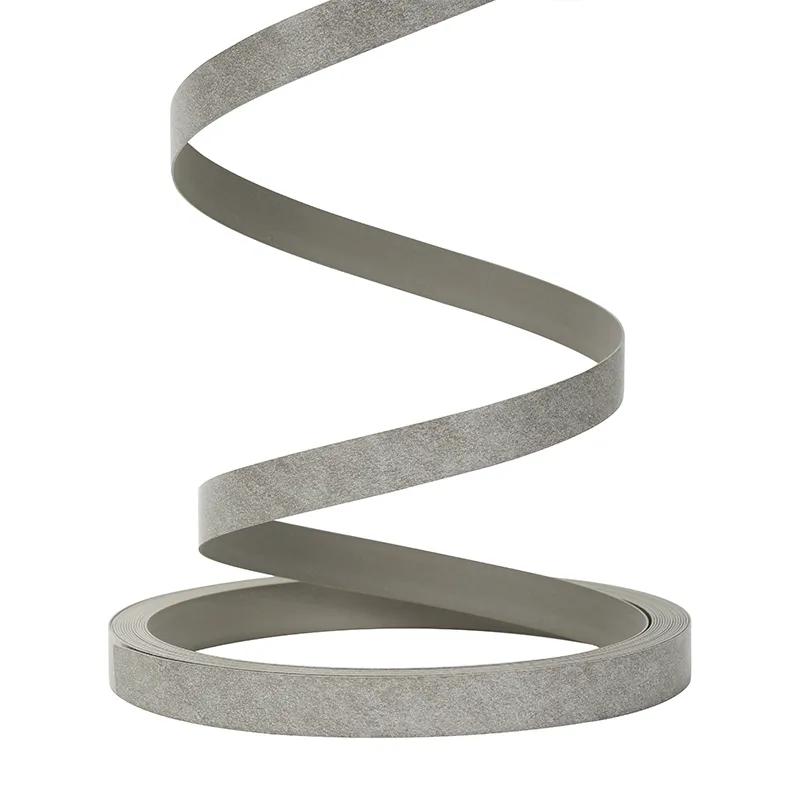
During the installation, be sure to refer to the chimeda.com/data/watermark/main/20260121/6970453b1d521.jpg">How to Install a PVC Door Bottom Seal to Prevent Draftschimeda.com/data/watermark/main/20260121/6970453b1d521.jpg"/products.html" alt="How to Install a PVC Door Bottom Seal to Prevent Drafts" title="How to Install a PVC Door Bottom Seal to Prevent Drafts" />chimeda.com/data/watermark/main/20260121/6970453b1d521.jpg" alt="Installing PVC Door Bottom Seal" style="width:100%; height:auto;"> for a visual guide.

Common Errors and Solutions

Throughout the installation process, several common issues may arise:

  • Seal Misalignment: If the seal is not straight, it can leave gaps for drafts. Solution: Recheck the measurements and re-adjust the seal, ensuring it’s level before securing.
  • Incorrect Hole Placement: Drilling holes in the wrong spots can weaken the seal. Solution: If this happens, simply fill the misaligned holes and re-drill at the correct spots.
  • Poor Adhesion: If the seal doesn’t attach properly, it may come off over time. Solution: Make sure the surface is clean and dry, and consider using weather stripping tape as additional support.

Summary and Suggestions

Installing a PVC door bottom seal is a straightforward yet effective way to prevent drafts and improve your home's energy efficiency. By following the aforementioned steps and avoiding potential pitfalls, you can enhance your comfort and potentially reduce utility costs by up to $200 annually. As our user, Jane, from Seattle, shared, “After installing the PVC seal, I noticed a significant decrease in my heating bills and a warmer living space.”

Make this investment to improve not only your home’s energy efficiency but also your overall comfort during harsh weather conditions.

FAQ

How long does it take to install a PVC door bottom seal?
Typically, the installation process takes about 30 to 45 minutes, depending on your experience level.
Can I install a PVC door bottom seal on any door?
Yes, PVC door bottom seals can be installed on most interior and exterior doors as long as there is space at the bottom for the seal to fit.
How often should I check the seal for wear and tear?
It's advisable to inspect your PVC seal annually, especially before seasonal changes, to ensure optimal performance.
Hot Products
PVC Edge Banding Customizable
PVC edge banding is made of polyvinyl chloride as the main material.
ABS Edge Banding Customizable
ABS edge banding does not add any fillers (such as calcium carbonate and other substances) during the production process
PP Edge Banding Customizable
Polypropylene, also known as PP , is a semi-crystalline thermoplastic.
PU Foam Sealing Strip Customizable
PU foamed sealing strip are made of four high-quality materials: the outer layer is wrapped with PE outer film
Three Types of Composite Sealing Strips Customizable
CHIMEDA three-composite sealing strip, the hard part of the base material is modified PP (high hardness)
TPE Sealing Strip Customizable
TPE sealing strips are non-toxic, environmentally friendly, pollution-free, do not contain heavy metals
PVC Door Bottom Seal Customizable
PVC door bottom strips are made from high-quality modified PVC material and are cold-resistant,environmentally friendly, and non-toxic.
Latest News
A Complete Guide to Selecting and Using Composite Sealing Strips

April 10, 2026

A Complete Guide to Selecting and Using Composite Sealing Strips
When embarking on the journey to select and use composite sealing strips, it’s crucial to navigate through various considerations effectively, both for seasoned professionals and DIY enthusiasts. Composite sealing strips, specially designed for diverse applications, are vital for ensuring airtight and watertight seals, contributing significantly to energy efficiency and operational performance.
Learn More
Why Choose Composite Sealing Strips for Energy Efficiency

April 09, 2026

Why Choose Composite Sealing Strips for Energy Efficiency
Are your energy bills skyrocketing despite your best efforts to maintain an efficient home? Many homeowners face the frustration of drafts, temperature fluctuations, and wasted energy caused by inadequate sealing. This not only leads to discomfort but also increases utility expenses—an issue that can be particularly challenging during extreme weather conditions. Fortunately, composite sealing
Learn More
How to Install Composite Sealing Strips for Doors and Windows

April 08, 2026

How to Install Composite Sealing Strips for Doors and Windows
Before starting your installation of composite sealing strips, ensure you have the following tools:
Learn More
A Beginner’s Guide to PVC Edge Banding Techniques

April 07, 2026

A Beginner’s Guide to PVC Edge Banding Techniques
If you're venturing into the realm of furniture manufacturing or home improvement, mastering PVC edge banding is an essential skill that can dramatically elevate the quality of your joinery work. PVC edge banding provides a clean, seamless finish that enhances the aesthetics and durability of your projects. This comprehensive guide will equip you—regardless of your experience level—with
Learn More
Why PVC Edge Banding Remains a Top Choice for Cabinets

April 06, 2026

Why PVC Edge Banding Remains a Top Choice for Cabinets
In the competitive landscape of cabinetry and furniture production, edges often become the first line of critique. Cabinet edges that are poorly finished or exposed can lead to a range of issues from aesthetic concerns to practical challenges. Clients today are more discerning than ever, demanding not only quality but also durability in materials. The visible sides of cabinets are under
Learn More
How to Properly Glue and Finish PVC Edge Banding

April 03, 2026

How to Properly Glue and Finish PVC Edge Banding
To successfully glue and finish PVC edge banding, you'll need a few essential tools and materials:
Learn More
ABS Edge Banding vs PP Edge Banding: Pros and Cons

April 02, 2026

ABS Edge Banding vs PP Edge Banding: Pros and Cons
ABS (Acrylonitrile Butadiene Styrene) edge banding is a popular choice for finishing the edges of plywood and MDF. Known for its rigidity and resistance to impacts, it provides a smooth and seamless finish.
Learn More
Ultimate Guide to ABS Edge Banding Selection and Application

April 01, 2026

Ultimate Guide to ABS Edge Banding Selection and Application
When it comes to enhancing the durability and aesthetics of your woodworking projects, ABS edge banding stands out as an optimal choice. Whether you’re a novice or a seasoned craftsman, understanding the selection and application of ABS edge banding is crucial for achieving professional results. This guide will walk you through the comprehensive process, ensuring you have the right strategies
Learn More
Why ABS Edge Banding Offers Durability and Flexibility

March 31, 2026

Why ABS Edge Banding Offers Durability and Flexibility
In modern woodworking and furniture manufacturing, professionals face challenges related to durability and flexibility. When building furniture or cabinetry, users often encounter issues such as edge wear, moisture damage, and aesthetic mismatches. ABS (Acrylonitrile Butadiene Styrene) edge banding becomes a game-changer, providing a solution that ensures robust durability and versatility in
Learn More
What Makes ABS Edge Banding Popular in Modern Furniture

March 30, 2026

What Makes ABS Edge Banding Popular in Modern Furniture
ABS edge banding, a thermoplastic polymer material, plays a crucial role in modern furniture manufacturing, providing not only aesthetic appeal but also functional benefits. This versatile material is applied to the edges of various boards and substrates, enhancing the overall finish and durability of furniture pieces. The value it brings to businesses is immense, as it helps achieve a polished
Learn More
WeChat