Blog
Blog
December 26, 2025
Edge banding refers to the process of applying a thin strip of material to the exposed edges of furniture components, such as particleboard or MDF. This not only enhances the aesthetics of the furniture but also protects the edges from damage and moisture.
Customizing edge banding allows you to match the furniture with your interior design, increases durability, and adds a personal touch to your pieces. With various materials and colors available, you can create a unique look that fits your style perfectly.
Edge banding trim tool
Hot glue gun or iron (depending on the type of banding)
Utility knife
Router with an edge banding bit
Sanding block or sanding sponge
Measuring tape
Clamps
Begin by measuring the length of the edges you wish to cover. Add an extra half inch to your measurement for trimming later. Cut the edge banding to the required length using a utility knife or scissors.
Ensure the edges of your furniture are clean and dry. Sand any rough spots to ensure proper adhesion of the edge banding.
Using a hot glue gun, apply a thin line of glue along the edge of your furniture. Immediately place the edge banding on top of the glue, pressing down to secure it in place. If using iron-on banding, place the banding on the edge and use an iron to adhere it, following the manufacturer\'s instructions.
Once the edge banding has cooled and set, use a utility knife to carefully trim any excess banding flush with the edge of the furniture. Make sure to cut in a straight line for a clean finish.
For a perfect finish, use a router with an edge banding bit to smooth the edges. This will create a seamless look and eliminate any sharp edges or bumps.
Use a sanding block or sponge to lightly sand the edges, ensuring everything is smooth and even. Take care not to sand too much; just enough to eliminate irregularities.
Not measuring accurately, leading to short pieces of edge banding.
Failing to clean the furniture edge, resulting in poor adhesion.
Using too much or too little glue, which can affect the durability of the bond.
Trimming the banding too early before the glue sets.
Neglecting to sand properly, which may cause visible edges.
Customizing edge banding is an excellent way to elevate the appearance of your furniture while providing protection and durability. By following these detailed steps, you can achieve professional-looking results. With chimeda products, available at //image.chukouplus.com/tools_upload/T_1665/file/20251225/82e726ae0d830c7835a761db5dbf36b7.png, your furniture can truly reflect your unique style and creativity.


August 10, 2026
Edge Banding Thickness Guide: 0.4mm to 3mm
August 10, 2026
Tips for Applying Edge Banding Without Peeling
August 10, 2026
Why PVC Door Bottom Seals Improve Soundproofing
August 10, 2026
PP Edge Banding Product Review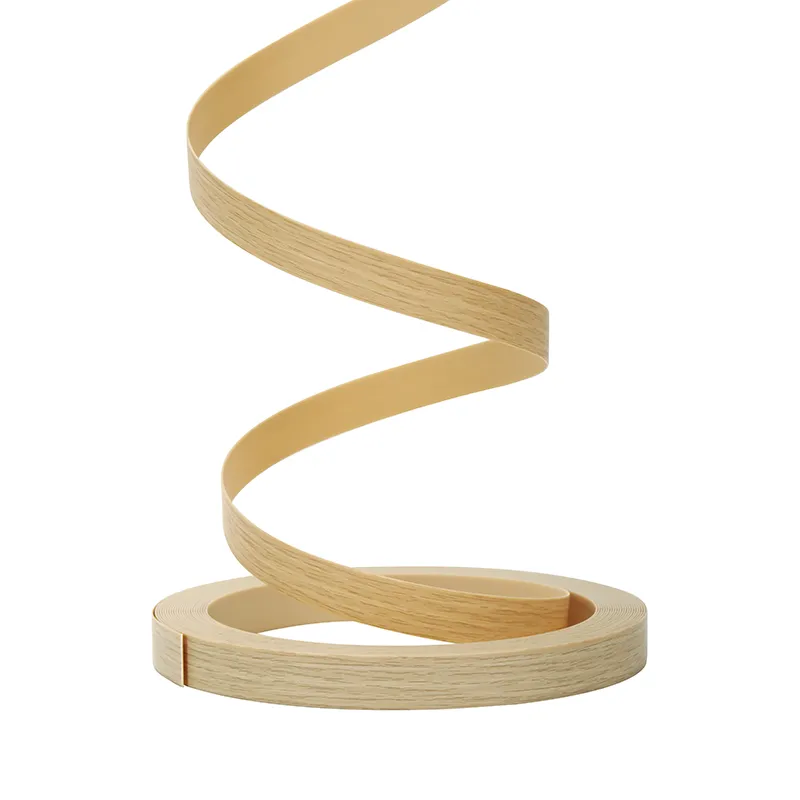
August 10, 2026
Table PVC Edge Banding Benefits for Daily Use Furniture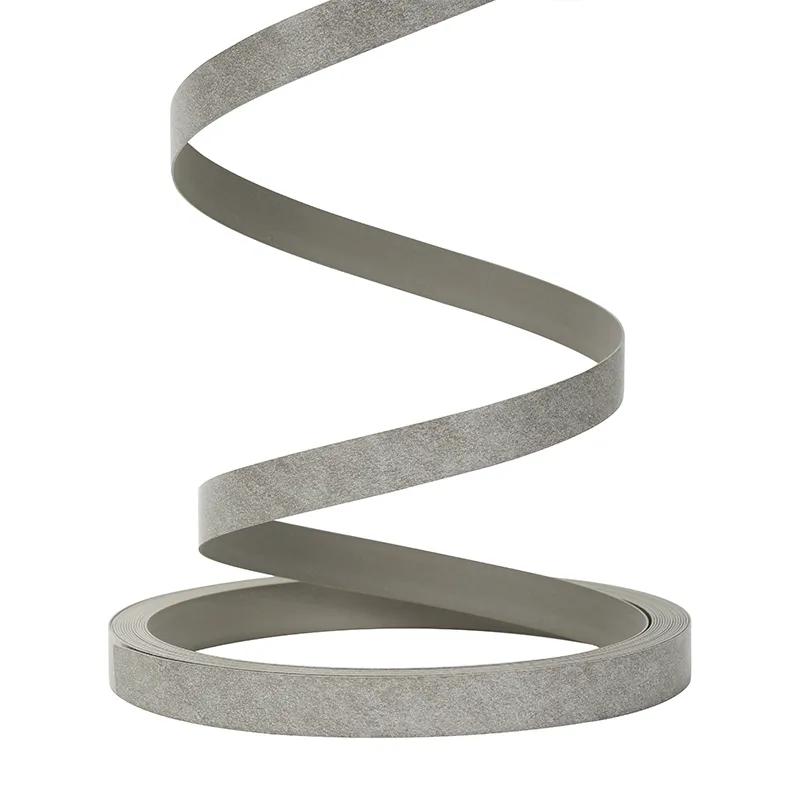
August 10, 2026
High Gloss Edge Banding vs Matte Edge Banding: What’s the Difference?
August 07, 2026
PVC Edge Banding vs Melamine Edge Banding
August 07, 2026
Tips for Processing ABS Edge Banding
August 07, 2026
PVC Door Bottom Seal Buying Guide
August 07, 2026
Cabinet PVC Edge Banding Applications in Kitchen Design