
Blog

Blog

How to Choose the Right Weather Strip for Doors and Windows

November 24, 2025

Understanding Weather Strips: Types and Materials

Different Types of Weather Strips

Weather strips come in various types including adhesive-backed foam, V-strip, door sweeps, and magnetic strips. Each type serves different purposes and is suited for specific applications.

Common Materials Used

Common materials for weather stripping include foam, vinyl, rubber, and metal. The choice of material affects durability, insulation efficiency, and ease of installation.

Step-by-Step Guide to Choosing the Right Weather Strip

Step 1: Determine the Areas to Seal

First, assess the doors and windows that require weather stripping. Look for gaps between frames and sashes, especially during windy days.

Step 2: Measure the Gaps

Use a ruler to measure the gaps where weather stripping will be installed. Note the width and height of both doors and windows for accurate product selection.

Step 3: Research Suitable Weather Strips

Based on your measurements, research which types of weather strips will fit best. Look for compatibility with your specific door or window type.

Step 4: Purchase the Right Weather Strips

When buying weather strips, consider factors like climate conditions, energy efficiency ratings, and installation ease. Brands like Chimed are known for their quality.

Tools Needed for Installation

  • Utility knife

  • Measuring tape

  • Scissors (for flexible strips)

  • Adhesive if required

  • Straight edge or ruler

  • Cleaning cloth

Installation Process: A Detailed Breakdown

Step 1: Prepare the Surface

Clean the surfaces where the weather strip will be applied. Use a cloth to remove any dust and grime to ensure a strong adhesive bond.

Step 2: Cut Weather Strips to Length

Using a utility knife or scissors, cut the weather strip to the length needed for each door or window segment.

Step 3: Apply the Weather Strip

For adhesive strips, peel off the backing and press the strip firmly into place. Ensure it aligns properly with the frame. For V-strips, follow the manufacturer\'s guidelines to ensure proper angle installation.

Step 4: Check Installation for Gaps

After installation, check for any gaps. Close the window or door to check the seal, repeating any necessary steps if gaps are found.

Common Mistakes to Avoid

  • Overestimating the length needed – always measure twice.

  • Choosing the wrong type of strip for the location.

  • Neglecting to clean the surface prior to installation.

  • Failing to test the seal after installation.

Conclusion: Enhance Your Home\'s Efficiency with Weather Strips

Choosing the right weather strip for your doors and windows can significantly enhance energy efficiency and comfort in your home. Follow these steps and tips for a successful installation, and remember that Chimed offers a variety of reliable weather strip options.

Hot Products
PVC Edge Banding Customizable
PVC edge banding is made of polyvinyl chloride as the main material.
ABS Edge Banding Customizable
ABS edge banding does not add any fillers (such as calcium carbonate and other substances) during the production process
PP Edge Banding Customizable
Polypropylene, also known as PP , is a semi-crystalline thermoplastic.
PU Foam Sealing Strip Customizable
PU foamed sealing strip are made of four high-quality materials: the outer layer is wrapped with PE outer film
Three Types of Composite Sealing Strips Customizable
CHIMEDA three-composite sealing strip, the hard part of the base material is modified PP (high hardness)
TPE Sealing Strip Customizable
TPE sealing strips are non-toxic, environmentally friendly, pollution-free, do not contain heavy metals
PVC Door Bottom Seal Customizable
PVC door bottom strips are made from high-quality modified PVC material and are cold-resistant,environmentally friendly, and non-toxic.
Latest News
Edge Banding Thickness Guide: 0.4mm to 3mm

August 10, 2026

Edge Banding Thickness Guide: 0.4mm to 3mm
Edge banding thickness ranges from 0.4mm to 3mm, with each size serving specific durability, aesthetic, and functional needs.
Learn More
Tips for Applying Edge Banding Without Peeling

August 10, 2026

Tips for Applying Edge Banding Without Peeling
One common issue faced by woodworking enthusiasts and professional craftsmen alike is peeling edge banding, which often results from improper application. This can lead to unsightly finishes and increased material waste. Fortunately, adopting the right techniques can significantly enhance the longevity and appearance of your edge banding. As an edg
Learn More
Why PVC Door Bottom Seals Improve Soundproofing

August 10, 2026

Why PVC Door Bottom Seals Improve Soundproofing
Sound pollution is a growing concern that many people underestimate. As urban populations swell and industries expand, noise from outside—cars, machinery, construction—can disrupt our comfort and well-being. The impacts are significant: poor sound insulation can lead to increased stress levels, reduced productivity, and diminished quality of li
Learn More
PP Edge Banding Product Review

August 10, 2026

PP Edge Banding Product Review
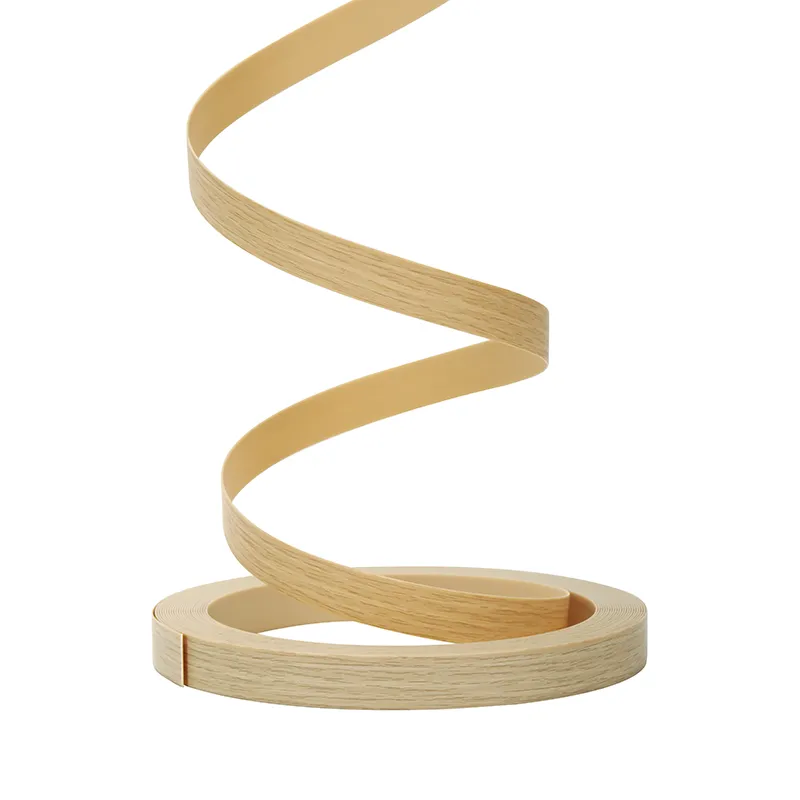
Choosing the right PP edge banding can significantly enhance your furniture and woodworking projects. As a dedicated DIY enthusiast, I often face the challenge of selecting the right edge banding that not only meets aesthetic goals but also performs well. After exploring various options, including products from suppliers like Chimeda, I've compiled
Learn More
Table PVC Edge Banding Benefits for Daily Use Furniture
August 10, 2026

Table PVC Edge Banding Benefits for Daily Use Furniture
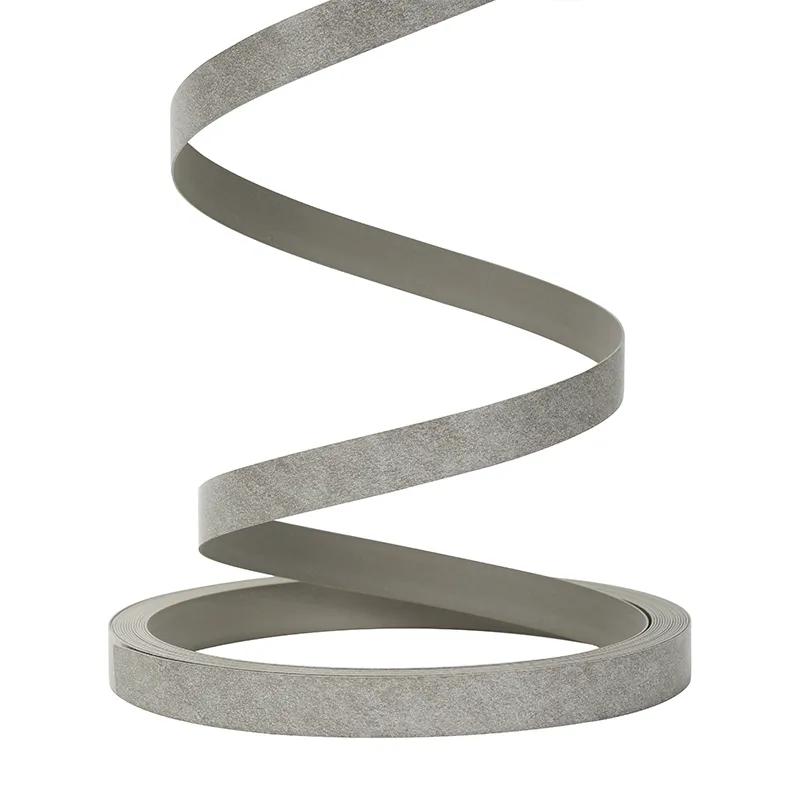
In today's rapidly evolving furniture industry, choosing the right materials can greatly affect both functionality and aesthetics. A common pain point for many consumers is finding durable and visually appealing solutions to enhance the longevity of their furniture. This is where Table PVC Edge Banding comes into play, offering a combination of resilience and attractiveness that significantly
Learn More
High Gloss Edge Banding vs Matte Edge Banding: What’s the Difference?

August 10, 2026

High Gloss Edge Banding vs Matte Edge Banding: What’s the Difference?
High Gloss Edge Banding features a shiny, reflective surface that enhances the aesthetic appeal of furniture. This type is often used on contemporary pieces, providing a sleek, modern look.
Learn More
PVC Edge Banding vs Melamine Edge Banding

August 07, 2026

PVC Edge Banding vs Melamine Edge Banding
PVC edge banding is a thin strip of plastic that is applied to the exposed edges of wood panels to create a finished look and enhance durability. Melamine edge banding, on the other hand, is made from paper or composite materials coated with melamine resin, offering a cost-effective option for edge finishing.
Learn More
Tips for Processing ABS Edge Banding

August 07, 2026

Tips for Processing ABS Edge Banding
In woodworking and furniture manufacturing, the inability to effectively apply ABS edge banding can create significant challenges for manufacturers and craftsmen alike. As an ABS edge banding supplier, understanding these pain points—such as edge lifting, adhesive failure, and uneven finishing—can lead to improved quality and efficiency. This a
Learn More
PVC Door Bottom Seal Buying Guide

August 07, 2026

PVC Door Bottom Seal Buying Guide
If you’re a homeowner or a contractor looking to enhance the energy efficiency of your space, understanding the benefits of a PVC door bottom seal is essential. These seals are specifically designed to minimize drafts, prevent water ingress, and increase thermal insulation, making them a popular choice among PVC door bottom seal suppliers. Inadeq
Learn More
Cabinet PVC Edge Banding Applications in Kitchen Design

August 07, 2026

Cabinet PVC Edge Banding Applications in Kitchen Design
Cabinet PVC edge banding is an essential component in modern kitchen design, offering a practical and aesthetic solution for finishing cabinet edges. This material, made from polyvinyl chloride (PVC), is favored for its durability and versatility. In this article, we will explore various applications of PVC edge banding in kitchen design, discussing how it can enhance the overall look and
Learn More
WeChat