Blog

Blog

How to Choose the Right Matte Edge Banding for Furniture

May 09, 2026

Understanding Matte Edge Banding

What is Matte Edge Banding?

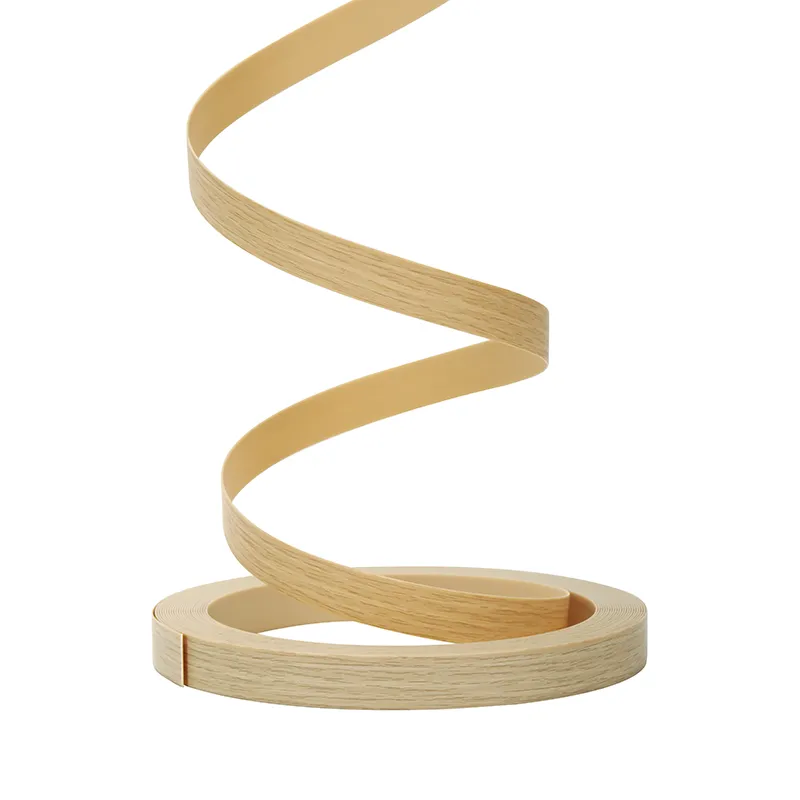
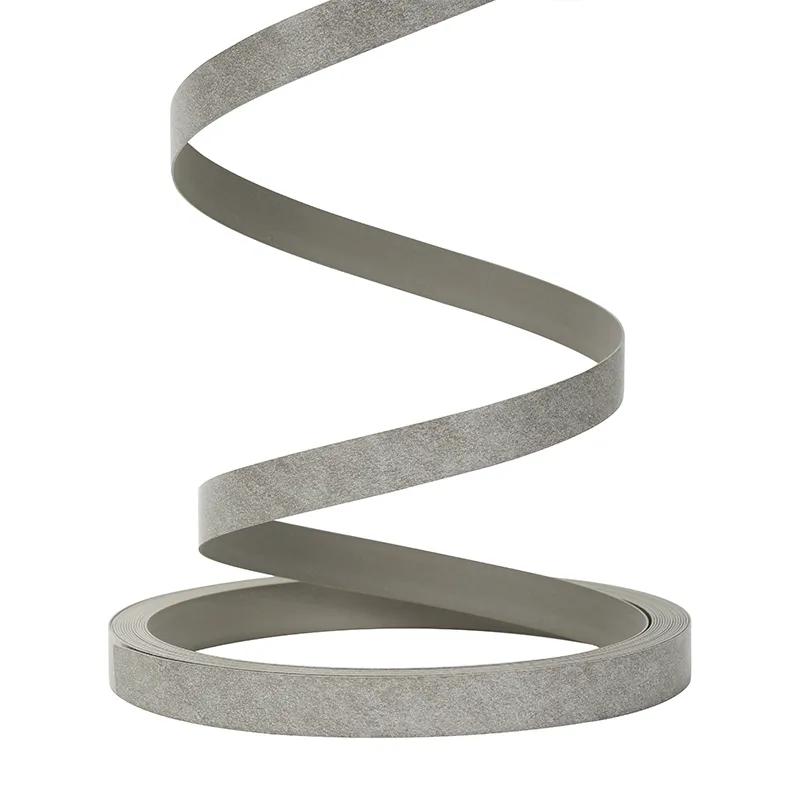
Matte edge banding is a material used to cover the exposed edges of plywood, particleboard, or other types of boards, providing a clean and professional finish. It enhances durability while offering an aesthetically pleasing look.

Identifying Your Project Needs

Evaluate Your Furniture Type

Before selecting edge banding, consider the type of furniture you are working on, whether it's cabinets, tables, or shelves. Different furniture types may require varying levels of durability and aesthetics.

Assess the Color and Style

Think about the color scheme and design style of your room. Matte edge banding comes in various colors and textures to match your furniture. It's essential to select a color that complements your existing decor.

Choosing the Right Material

Common Materials for Matte Edge Banding

  • PVC: Flexible and easy to work with, suitable for various applications.
  • ABS: More durable than PVC, ideal for high-traffic furniture.
  • Wood veneer: Offers a natural look but requires more care during application.

Required Tools for Application

Gather Your Tools

To apply matte edge banding effectively, you will need the following tools:

  • Edge banding trimmer
  • Hot glue gun or iron for adhesion
  • Utility knife
  • Clamps
  • Sandpaper (fine grit)

Step-by-Step Guide to Applying Matte Edge Banding

First Step: Prepare the Boards

Ensure that the edges of the boards are smoothly cut and free from dust. Clean the surface to ensure proper adhesion.

Second Step: Cut the Edge Banding

Measure the length of the edges and cut the edge banding to size, leaving a little extra for trimming later.

Third Step: Apply Adhesive

If using hot glue, apply a thin, even layer along the edge of the board. For iron-on banding, follow the manufacturer's instructions for heat application.

Fourth Step: Position the Edge Banding

Carefully position the edge banding over the adhesive, ensuring even alignment. Press down firmly to secure it in place.

Fifth Step: Trim Excess Banding

Using an edge banding trimmer or utility knife, trim any excess banding for a smooth finish.

Sixth Step: Sand the Edges

Gently sand the edges with fine grit sandpaper to remove any roughness and achieve a seamless blend with the board.

Common Mistakes to Avoid

Rushing the Preparation Process

Taking shortcuts during preparation can lead to poor adhesion and an unprofessional finish. Be meticulous in your process.

Choosing the Wrong Adhesive

Not all edge banding materials work with all adhesives. Ensure compatibility to avoid issues during application.

Skipping the Trimming Step

Failing to trim excess banding can result in an uneven appearance. Always ensure a clean cut for the best results.

Conclusion: The Importance of Choosing the Right Matte Edge Banding

Selecting the right matte edge banding is crucial for achieving a polished look in your furniture projects. By understanding your needs and following the correct application steps, you can ensure long-lasting and attractive results. For top-notch products, consider exploring chimeda.com/data/watermark/main/20260121/6970451e1239d.jpg">chimeda's range of edge banding solutions that cater to various styles and materials.

Hot Products
PVC Edge Banding Customizable
PVC edge banding is made of polyvinyl chloride as the main material.
ABS Edge Banding Customizable
ABS edge banding does not add any fillers (such as calcium carbonate and other substances) during the production process
PP Edge Banding Customizable
Polypropylene, also known as PP , is a semi-crystalline thermoplastic.
PU Foam Sealing Strip Customizable
PU foamed sealing strip are made of four high-quality materials: the outer layer is wrapped with PE outer film
Three Types of Composite Sealing Strips Customizable
CHIMEDA three-composite sealing strip, the hard part of the base material is modified PP (high hardness)
TPE Sealing Strip Customizable
TPE sealing strips are non-toxic, environmentally friendly, pollution-free, do not contain heavy metals
PVC Door Bottom Seal Customizable
PVC door bottom strips are made from high-quality modified PVC material and are cold-resistant,environmentally friendly, and non-toxic.
Latest News
Why Plywood ABS Edging Is a Better Eco-Friendly Option

May 26, 2026

Why Plywood ABS Edging Is a Better Eco-Friendly Option
Environmental concerns are at the forefront of consumer choice today. As we become increasingly aware of our ecological footprint, decision-makers in industries ranging from construction to furniture manufacturing are faced with pressing questions about sustainability. The widespread use of non-recyclable materials and harmful adhesives in the prod
Learn More
Pros and Cons of Door PVC Edge Banding in Interior Decoration

May 26, 2026

Pros and Cons of Door PVC Edge Banding in Interior Decoration
When it comes to interior decoration, the right materials can significantly affect both functionality and aesthetics. One frequently debated option is Door PVC Edge Banding, which plays a crucial role in finishing surfaces and ensuring durability. Homeowners often face problems with wear, tear, and moisture damage in their door finishes, leading to their need for a solution that balances
Learn More
How ABS Edging Improves Furniture Durability and Safety

May 19, 2026

How ABS Edging Improves Furniture Durability and Safety
ABS (Acrylonitrile Butadiene Styrene) edging is a type of thermoplastic material used in furniture making. It offers durability and flexibility, making it an ideal choice for protecting furniture edges from damage and wear.
Learn More
What Is ABS Edging and How Is It Used in Furniture Production?

May 13, 2026

What Is ABS Edging and How Is It Used in Furniture Production?
ABS edging, or Acrylonitrile Butadiene Styrene edging, is a robust, thermoplastic material utilized predominantly in furniture production to cover the exposed edges of particleboard or MDF (Medium-Density Fiberboard). Its practical applications extend beyond mere aesthetics; it strengthens the edges, enhances durability, and prevents moisture ingress, making it invaluable for cabinetry and
Learn More
How to Choose the Right Matte Edge Banding for Furniture

May 09, 2026

How to Choose the Right Matte Edge Banding for Furniture
Matte edge banding is a material used to cover the exposed edges of plywood, particleboard, or other types of boards, providing a clean and professional finish. It enhances durability while offering an aesthetically pleasing look.
Learn More
What Is a PVC Door Bottom Seal and Its Benefits

April 17, 2026

What Is a PVC Door Bottom Seal and Its Benefits
In the world of construction and home improvement, the PVC door bottom seal plays a pivotal role in ensuring energy efficiency and comfort in residential and commercial settings. These seals are essential for blocking drafts, dust, and pests, thereby improving indoor air quality and conserving energy. With the ever-increasing focus on sustainabilit
Learn More
Step-by-Step Guide to Installing TPE Sealing Strips

April 16, 2026

Step-by-Step Guide to Installing TPE Sealing Strips
If you're someone dealing with drafty windows or gaps in doors, then this comprehensive guide on installing TPE sealing strips is tailored for you. Homeowners often face issues such as energy loss, noise infiltration, and even pest entry, leading to increased utility bills and discomfort in living spaces. TPE (Thermoplastic Elastomer) sealing strips offer a practical solution as they effectively
Learn More
Why TPE Sealing Strips Are Preferred Over Traditional Materials

April 15, 2026

Why TPE Sealing Strips Are Preferred Over Traditional Materials
In industries ranging from automotive to consumer electronics, the demand for reliable sealing solutions is paramount. Traditional materials, such as rubber and foam, often fail to meet stringent requirements for durability, flexibility, and environmental resistance. The pain points of using these conventional materials include wear and tear, which leads to costly replacements and potential
Learn More
How to Properly Apply TPE Sealing Strips for Maximum Seal

April 14, 2026

How to Properly Apply TPE Sealing Strips for Maximum Seal
Are you struggling with drafts in your home or facing issues with moisture leaks? TPE sealing strips can provide an effective and efficient solution. Many users have reported difficulties in applying these strips correctly, leading to diminished sealing effects. This article will not only address common pain points but also guide you through the en
Learn More
Composite Sealing Strips vs TPE Sealing Strips: Which Is Better?

April 13, 2026

Composite Sealing Strips vs TPE Sealing Strips: Which Is Better?
In the quest for the ideal sealing solution, many users find themselves pondering the age-old question: Composite sealing strips or TPE sealing strips? Common pain points arise when considering factors like durability, environmental impact, cost-efficiency, and overall performance. For homeowners confronting issues like leaks or drafts, the choice of sealing material can significantly affect
Learn More
WeChat