Blog
Blog
August 14, 2026
When it comes to perfecting your woodworking projects, selecting the right edge banding material is crucial. Whether you are a seasoned professional or a DIY enthusiast, the right choice can enhance aesthetics, durability, and overall quality. In this guide, I promise to provide you with clear, actionable steps to ensure your selection process is efficient and straightforward, helping you avoid common pitfalls.
Understanding the various edge banding materials available on the market can feel overwhelming, but armed with the right information, you’ll be able to make an informed choice. Let’s break down the selection process step by step.
Before you dive into the world of edge banding, assess the specific needs of your project. Consider the following factors:
With your requirements outlined, explore these common materials:
As you narrow down your options, pay attention to quality standards such as ASTM D7241 for PVC or DIN EN 325 for wood products. Opt for manufacturers that conduct rigorous testing and quality inspections. I highly recommend choosing an edge banding supplier that offers 100% inspection and maintains precision to 0.01mm for consistency and reliability.
Once you have a shortlist of materials, request samples from suppliers like chimeda. Assess the samples in real-world conditions by applying them to your projects. Look for:
After testing, it's time to evaluate the cost-effectiveness of your choices. This involves:
After thoroughly evaluating options and samples, it’s time to make your purchase. Use an edge banding supplier that offers flexible ordering options, like bulk discounts and multiple finishes, to support your project needs.
When selecting edge banding material, you might face challenges such as:
Overcoming these issues can be managed by:
Utilizing the right tools can streamline your application process. Consider investing in:
Choosing the right edge banding material is a pivotal step for your woodworking projects that can greatly affect the final outcome. By following these steps—assessing your project requirements, researching types of materials, evaluating quality standards, testing samples, and considering cost versus benefits—you’ll be well on your way to making an informed decision.
Remember, working with a reputable edge banding supplier such as chimeda can significantly ease your procurement process. Don’t hesitate to reach out for samples and further information to kickstart your journey toward achieving exceptional results. Now is the time to take action and elevate your woodworking projects with the perfect edge banding material!


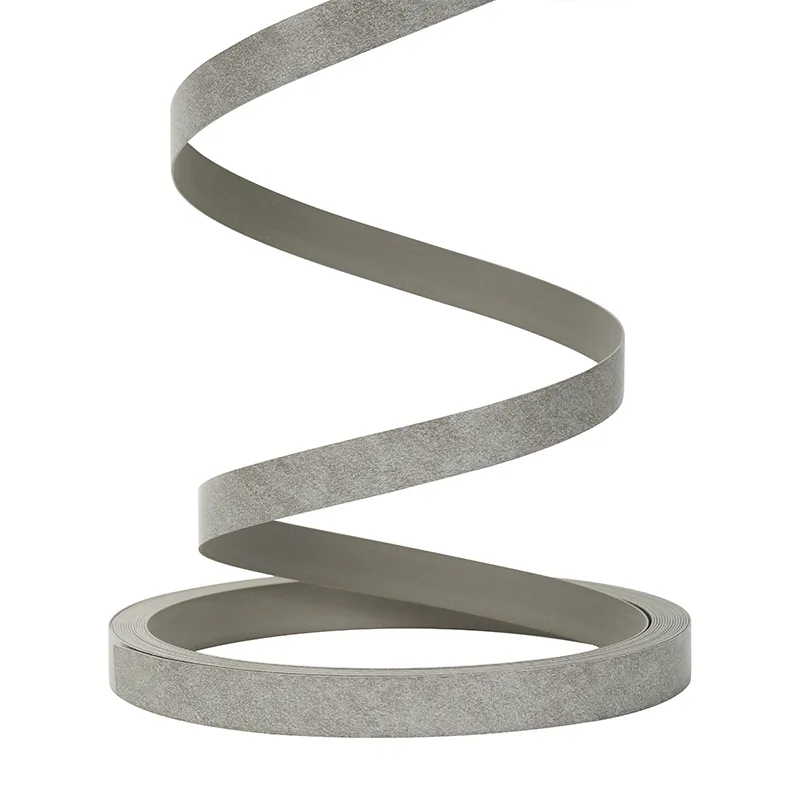
September 21, 2026
How to Apply PP Edge Banding for a Professional Finish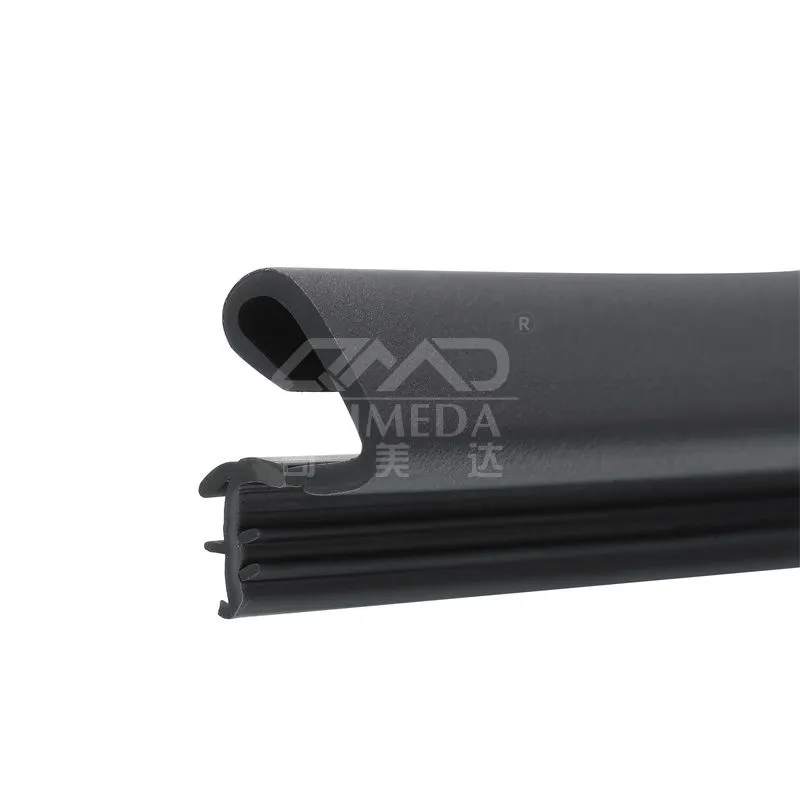
September 21, 2026
TPE Sealing Strips vs PVC Door Bottom Seal: Key Differences Explained
September 17, 2026
Can pu foam sealant be used for sealing around ducts?August 31, 2026
PP Edge Banding vs ABS Edge BandingAugust 28, 2026
Top PP Edge Banding Applications in FurnitureAugust 27, 2026
Top Features to Look for in Edge Banding ProductsAugust 26, 2026
Top PVC Edge Banding Colors for Modern FurnitureAugust 25, 2026
Edge Banding Quality Review for Furniture BuyersAugust 24, 2026
TPE Sealing Strip vs PVC Sealing StripAugust 24, 2026
Top PVC Edge Banding Design Trends