Blog
Blog
June 30, 2026
When designing kitchen furniture, one crucial yet often overlooked element is the choice of cabinet PVC edge banding. Selecting the right edge banding is pivotal as it enhances the aesthetics, durability, and overall functionality of your kitchen cabinets. In this guide, I will walk you through clear, actionable steps to choose the most suitable cabinet PVC edge banding, ensuring that the process is simple and efficient.
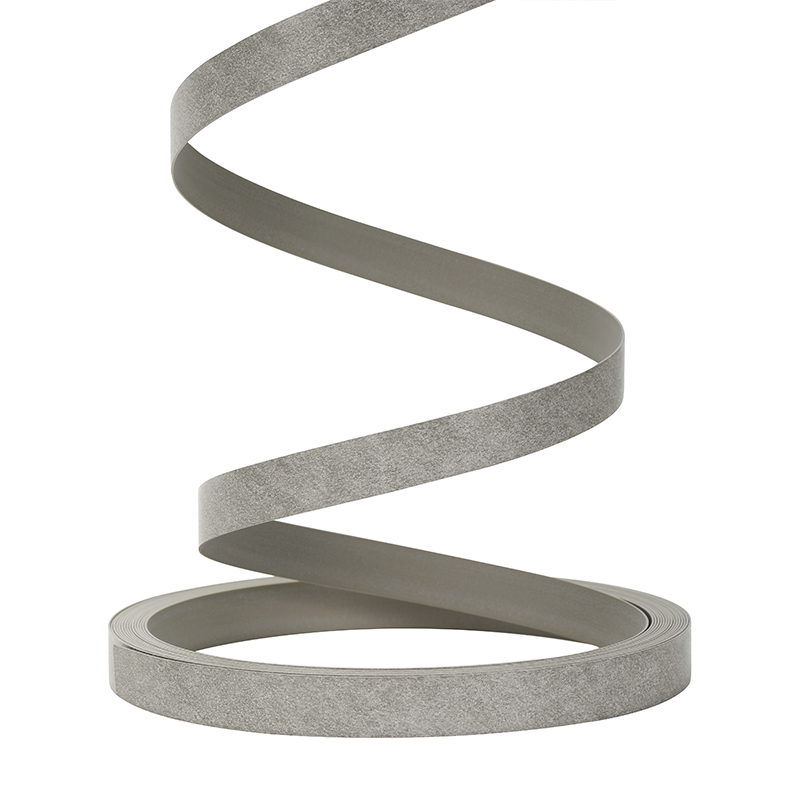
Cabinet PVC edge banding acts as a protective layer, covering the exposed edges of particleboard or MDF. This not only improves the visual appeal but also prevents water damage, chipping, and wear over time. When considering options, I’ve always focused on three key factors: thickness, adhesive type, and finish.
Know Your Specifications:
Begin by measuring the thickness of your cabinet material. Typically, edge banding thickness ranges from 0.4mm to 2mm. Accuracy is key—aim for a precision of 0.01mm to ensure a snug fit. This prevents moisture from seeping into the core material, which is critical for maintaining the integrity of your kitchen cabinets.
Select the Right Adhesive:
Choose between pre-glued or unglued PVC edge banding. Pre-glued options offer convenience; simply heat them to activate the adhesive, allowing for a quicker application. Conversely, unglued varieties provide flexibility in adhesion methods—however, they demand more skill and time.
Evaluate the Finish:
Your cabinet's finish is essential for visual coherence. PVC edge banding comes in various textures—smooth, matte, or high gloss. I recommend matching the finish to your cabinetry for a seamless look. Consider the reflection properties, as they will influence the overall ambiance of your kitchen.
Assess Color and Design Options:
PVC edge banding is available in a plethora of colors and patterns. Be sure to choose hues that complement your cabinetry. I’ve found that wood patterns can create a classic look, while bold colors can add modern flair.
Setting Quality Standards:
Look for edge banding that adheres to industry standards such as ASTM D6662 for performance criteria. A thorough inspection process, including 100% inspection for defects, should be standard practice to ensure you’re receiving quality products.
While selecting cabinet PVC edge banding, you may face challenges including mismatches in color or thickness discrepancies. To tackle these obstacles effectively:
Test Samples: Always request samples before placing large orders. This allows you to verify color accuracy and compatibility with your cabinets.
Use Quality Tools: Utilize a specialized edge banding trimmer for precise cuts. This tool will help achieve a professional finish, minimizing visible seams.
Further improve your efficiency by accessing online resources or tutorials for edge banding application techniques. Websites like Chimeda offer comprehensive visuals and guides that can help streamline the process.
In summary, to effectively choose cabinet PVC edge banding for kitchen furniture, focus on specifications regarding thickness and adhesive type, evaluate finishes and colors, and adhere to strict industry standards. Remember to overcome challenges with proactive solutions, use quality tools, and reference online resources for guidance.
By following these steps, you not only elevate your kitchen's aesthetic appeal but also ensure durability and longevity in your cabinetry. I encourage you to take immediate action—assess your kitchen furniture needs, compile the necessary measurements, and start exploring the excellent options available to enhance your design today!


August 10, 2026
Edge Banding Thickness Guide: 0.4mm to 3mm
August 10, 2026
Tips for Applying Edge Banding Without Peeling
August 10, 2026
Why PVC Door Bottom Seals Improve Soundproofing
August 10, 2026
PP Edge Banding Product Review
August 10, 2026
Table PVC Edge Banding Benefits for Daily Use Furniture
August 10, 2026
High Gloss Edge Banding vs Matte Edge Banding: What’s the Difference?
August 07, 2026
PVC Edge Banding vs Melamine Edge Banding
August 07, 2026
Tips for Processing ABS Edge Banding
August 07, 2026
PVC Door Bottom Seal Buying Guide
August 07, 2026
Cabinet PVC Edge Banding Applications in Kitchen Design